






















First aid skills are essential for managing common injuries and ensuring safety in everyday situations. Having a basic understanding of first aid can help you respond effectively in an emergency. This article provides practical tips for building your first aid skills through knowledge and practice.
Understanding First Aid Basics
First aid is the immediate assistance provided to someone who is injured or ill. It is important to act promptly and calmly when assessing a situation. Familiarizing yourself with some basic concepts is crucial for effective first aid practice.
Key Components of First Aid
- Assess the Situation: Before approaching an injured person, ensure the environment is safe for both you and the victim.
- Identify the Injury: Observe the person’s condition, checking for visible injuries or signs of distress.
- Call for Help: If the injury is severe, do not hesitate to call emergency services for professional help.
- Provide Care: Implement basic first aid techniques while waiting for professional help, as appropriate.
- Stay Calm: Your calm demeanor can help reassure the person receiving aid.
Common Injuries and First Aid Responses
Burns
For minor burns, cool the burn under running water for several minutes. Cover it with a clean, dry cloth to protect the area.
Scrapes and Cuts
Clean the wound gently with soap and water. Apply a sterile bandage to prevent infection.
Sprains
For sprains, rest the affected area, apply ice for 15-20 minutes, and elevate the injury to help reduce swelling.
Fractures
Do not move a suspected fracture unless necessary. Keep the injured area as still as possible and adjust position only to ensure comfort.
Developing Your Skills
To enhance your first aid capabilities, consider the following steps:
- Enroll in a First Aid Course: Look for courses offered by local organizations or community centers.
- Practice Regularly: Review first aid techniques and practice them periodically to maintain your skills.
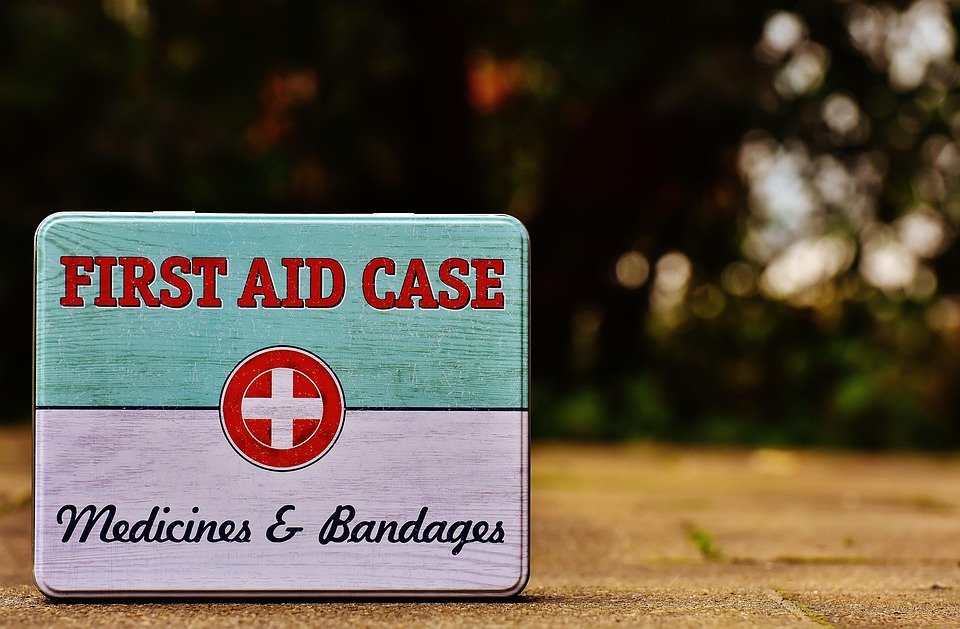
- Keep a First Aid Kit: Assemble a first aid kit with essential items such as bandages, antiseptics, and gloves.
- Stay Informed: Read up on first aid resources and guidelines to keep your knowledge current.
Conclusion
Building first aid skills is an important aspect of personal safety and preparedness. By understanding basic principles and practicing regularly, you can effectively manage common injuries and contribute to a safer environment for yourself and others.






