






















Teen’s Battle with Trauma After Exposure to Disturbing Video
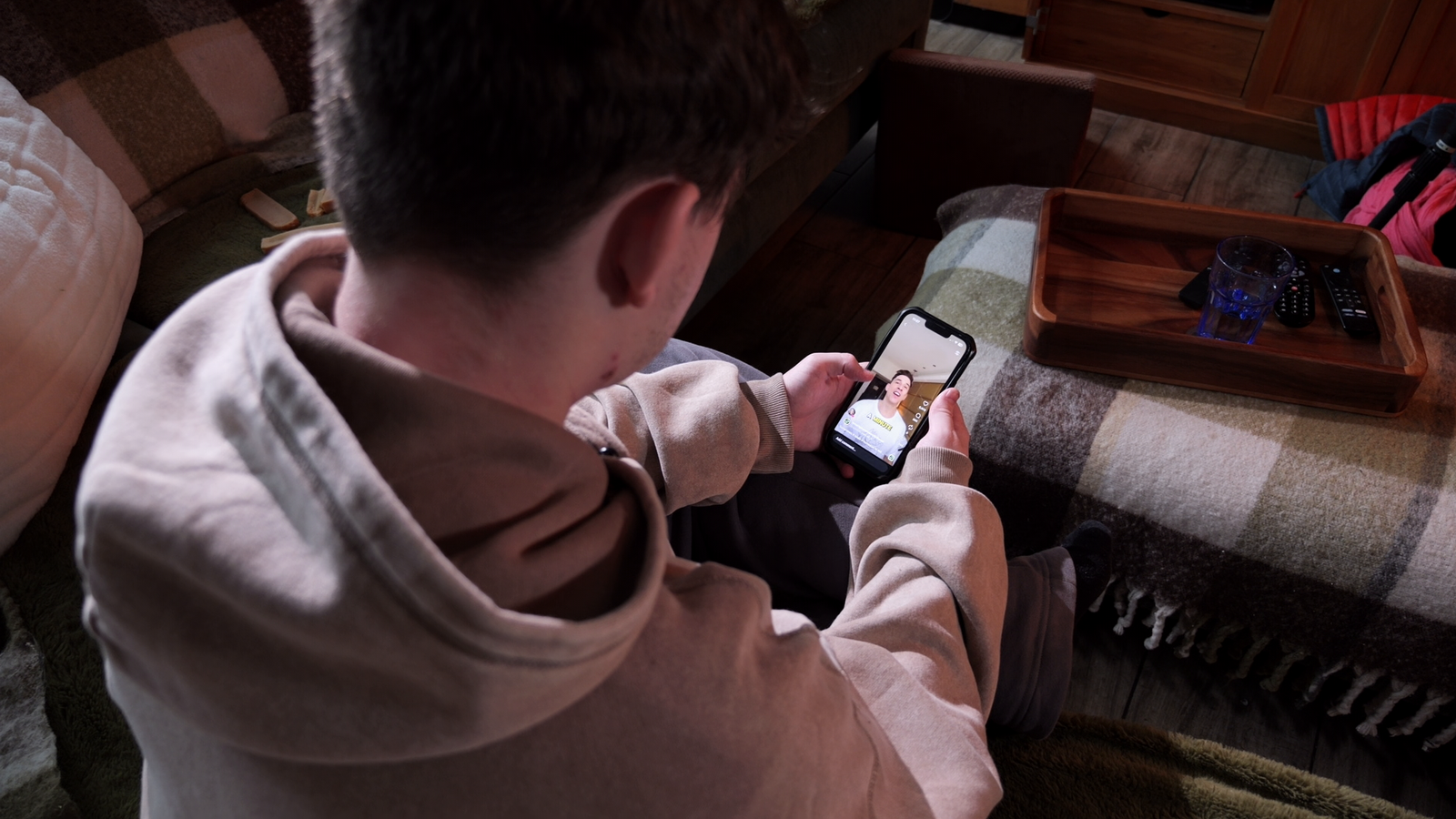
Frazer McKenna, now 18, continues to grapple with the profound effects of seeing a life-altering video at the tender age of 12. The clip, shown to him by a classmate, depicted a man taking his own life. Frazer’s experience highlights the serious implications of digital content exposure among youths.
Impact of Early Trauma
The incident occurred during a school break, just as Frazer was transitioning into his teenage years. The traumatic event not only marked the beginning of an arduous mental health journey for him but also deepened his struggles stemming from the COVID-19 pandemic. In his own words, Frazer shared, “There are no words to express how much of an impact that video truly had on me; my life would have been completely different if I hadn’t seen it.”
Struggles with Mental Health
In the years following the incident, Frazer experienced significant mental health decline, marked by severe depression and instances of crisis. His despair culminated in a suicide attempt, which his father, Damian, vividly remembers; he once had to intervene to prevent Frazer from harming himself. Damian described the situation as a moment of “pure desperation,” revealing how deeply his son had been affected.
Professional Insights
Frazer’s experience is not unique, as many children face similar challenges after being exposed to distressing online content. Dr. Emily Sehmer, a consultant child psychiatrist, remarked that many more children suffer in silence, and noted that the available mental health services are inadequate to meet the growing demand. In the past year alone, approximately 500 children in England were referred to mental health services daily for anxiety issues, further underscoring the urgent need for action.
Understanding Trauma Triggers
Last year, Frazer received a diagnosis of complex Post-Traumatic Stress Disorder (PTSD), which he directly attributes to the video he saw. Certain audio cues, like mobile phone ringtones reminiscent of the video, evoke intense anxiety in him. “It would set me off,” he explained, indicating that the trauma manifests in unexpected ways, making normal interactions challenging.
Campaigning for Change
In response to Frazer’s struggles and similar stories, he and his family have become advocates for banning smartphones in schools. They argue that the potential dangers of unregulated digital content outweigh any benefits phones may offer in educational settings. “There’s so much technology in schools today,” Frazer emphasized, advocating for a more controlled environment to protect students.
Government Response and Online Safety
The Department for Education indicated that a significant majority of schools already enforce mobile phone restrictions. However, campaigners are pushing for a total ban, citing ongoing concerns about children’s exposure to harmful material. The government supports efforts to safeguard children within the digital landscape, particularly through measures introduced by the Online Safety Act, which requires social media platforms to better protect under-18s.
Background
This pressing issue is reflective of broader societal challenges in addressing youth mental health, particularly in the wake of the pandemic. As more children interact with technology, the potential for harmful exposure increases, raising important questions about the responsibilities of both educational institutions and digital platforms.
For immediate support, individuals experiencing emotional distress can contact the Samaritans at 116 123 in the UK, or reach out via email at jo@samaritans.org. In the United States, the Samaritans branch can be reached at 1 (800) 273-TALK.
Source: Original Article






