






















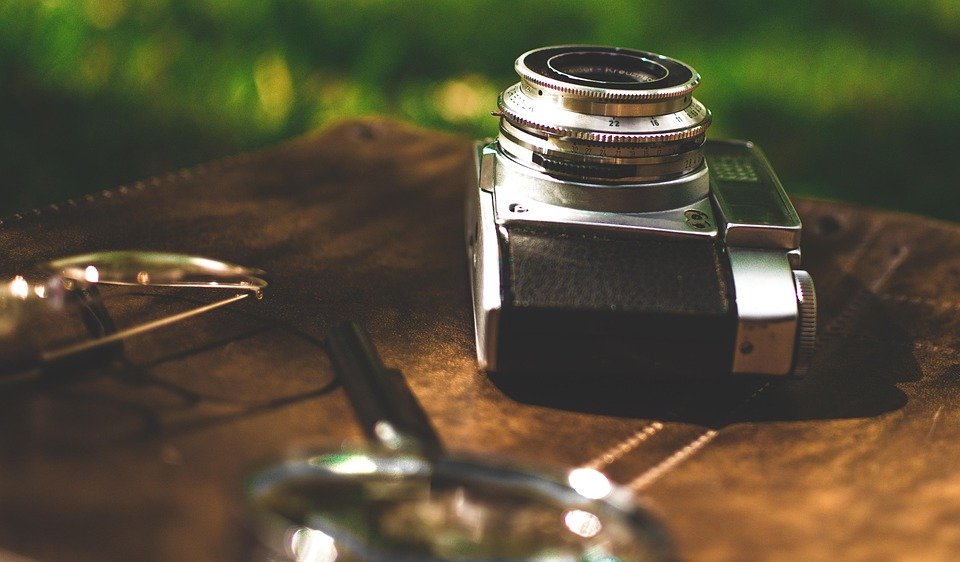
Early Beginnings: The Birth of Motion Picture
Film as we know it today has roots that can be traced back to the 19th century. The invention of the camera obscura, which projected images onto a surface, laid the groundwork for future innovations. The following milestones were crucial in the evolution of film technology:
- 1839: Louis Daguerre develops the daguerreotype, the first practical photographic process.
- 1888: George Eastman introduces the Kodak camera, making photography accessible to the general public.
- 1891: Thomas Edison and W.K.L. Dickson develop the Kinetoscope, allowing single viewers to watch short films.
The Silent Era: The Birth of Cinematic Language
The silent film era saw the first cinematic narratives emerge, with directors exploring the potential of storytelling through visuals and editing.
- 1895: The Lumière brothers showcase the Cinématographe, capable of recording, developing, and projecting film.
- 1927: The release of “The Jazz Singer” marks the transition to sound in films, pioneering the concept of synchronized dialogue.
- 1920s-1930s: Filmmakers like D.W. Griffith experiment with camera angles, composition, and editing techniques in works such as “Intolerance”.
The Rise of Technicolor: Color Comes to Life
As film technology progressed, the advent of color transformed cinema, allowing filmmakers to enrich storytelling through visual aesthetics.
- 1935: The first full-color feature film, “Becky Sharp,” is released, utilizing the two-color Technicolor process.
- 1940: “The Wizard of Oz” and “Gone with the Wind” popularize Technicolor, setting new standards for visual storytelling.
- 1950s: The introduction of three-color Technicolor enhances film quality and broadens color usage in mainstream cinema.
Innovative Techniques: The Advent of New Technologies
With technological advancements, filmmakers began to adopt innovative techniques, making filmmaking more dynamic and expressive.
- 1949: The arrival of lightweight cameras such as the Bolex H16 made handheld filming more feasible, enabling new documentary styles.
- 1955: Cinemascope, a revolutionary widescreen format, debuts with “The Robe,” altering viewers’ cinematic experiences.
- 1970s: The Steadicam is invented, allowing smooth camera movement and enabling new storytelling methods in films like “Rocky” (1976).
Digital Transition: The New Age of Filmmaking
In the late 20th and early 21st centuries, the film industry underwent a significant transformation with the introduction of digital technology.
- 1999: “Star Wars: Episode I – The Phantom Menace” becomes one of the first high-profile films to utilize digital cinematography.
- 2000s: Digital cameras such as the RED One become popular among filmmakers, offering high-quality imaging and greater flexibility.
- 2020s: As digital techniques mature, filmmakers explore hybrid solutions, blending analog and digital technologies for unique visual styles.
Conclusion
The evolution of film cameras is a testament to human ingenuity and creativity. From the basic mechanisms of the early 19th century to today’s advanced digital systems, the journey of film technology reflects broader trends in society, art, and technology. As cinema continues to evolve, the history of its development remains a rich source of inspiration for filmmakers and audiences alike.






