Venezuelans Remain Apprehensive Following Maduro’s Ouster
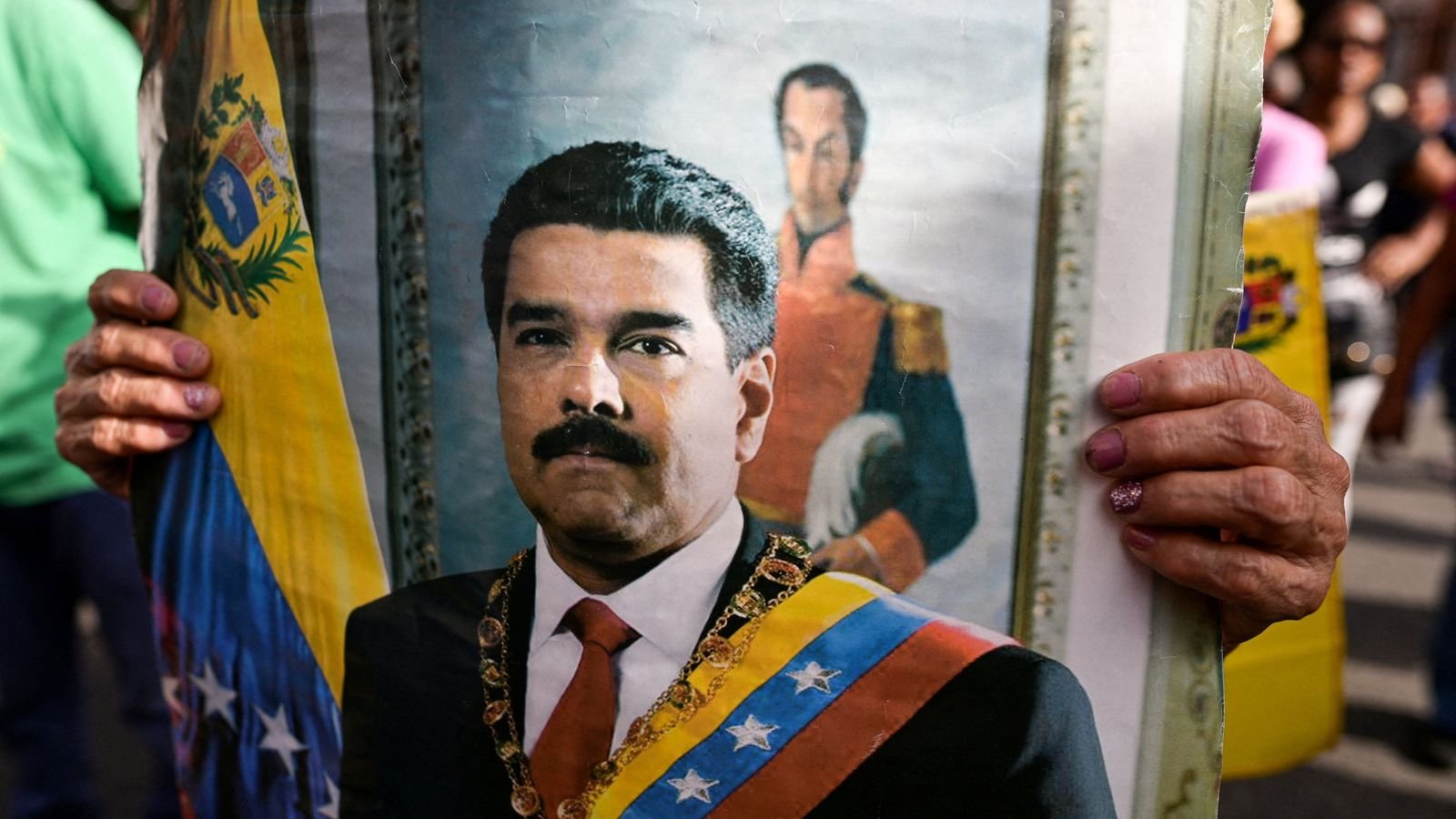
In the wake of Nicolas Maduro’s removal, residents of Caracas express deep anxiety rather than relief, fearing the implications of this significant political shift. Journalist Rosali Hernandez, reporting from the capital, emphasised that locals anticipate neither swift change nor immediate improvements amid the turmoil.
Mixed Reactions in Venezuela
Despite celebrations around the globe marking Maduro’s departure, the atmosphere in Venezuela’s capital is far from jubilant. Hernandez noted that the populace is gripped by fear about the future. “No one is celebrating; everyone feels so afraid about what is going to happen next,” she commented, illustrating the stark contrast in sentiments between local and international reactions.
A Cacophony of Information Blackouts
Residents face a grim media landscape, compounding their fears. Hernandez reported that three television channels have been shut down, leaving the public reliant on the state-run Corporacion Venezolana de Television, where they are bombarded with governmental propaganda. Those in various districts of Caracas have also faced widespread outages of power, internet, and water following recent military operations.
Life in a Fragile Economy
With much of the city seemingly subdued, streets are mostly deserted a day after the US military operation. Hernandez explained that the absence of control has driven people to venture out, forming long lines at the limited number of open marketplaces and pharmacies. Past experiences of instability prompt locals to stock up on essentials, knowing uncertainty often lingers in such circumstances.
Security Dynamics in Caracas
The once militarised Caracas appears relatively calm, with few military personnel visible. Yet, paramilitary groups known as colectivos continue to navigate the streets, creating a precarious environment. These armed factions operate independently, historically used to suppress dissent, which raises concerns about potential escalations of violence.
Future Leadership Concerns
The sudden upheaval has left many questioning the stability of Venezuela’s political landscape. Hernandez pointed out that Maduro, often perceived as a weak link in the regime, was not the most powerful figure within the government. She referenced other notable figures like Jorge Rodriguez and Diosdado Cabello as key players who may continue to wield influence moving forward.
Background
The ongoing crisis in Venezuela has seen a severe decline in living conditions, marked by rampant inflation and shortages of basic necessities. Maduro’s contentious rule has faced widespread accusations of human rights abuses, leading to international sanctions and calls for democratic reforms. The political landscape remains fragile, with global powers closely monitoring developments in the region.
International Implications
The situation in Venezuela has garnered significant international attention, particularly from nations such as the United States, which have vested interests in the country’s vast oil reserves. Recent actions have sparked discussions among global leaders regarding the ramifications of a leadership vacuum and the need for a stable transition to governance.
As Venezuela navigates this uncertain period, the outlook for ordinary citizens remains grim. Hernandez underscored that true freedom for Venezuelans is unlikely while figures accused of past atrocities and oppression continue to hold sway.
Source: Original Article