






















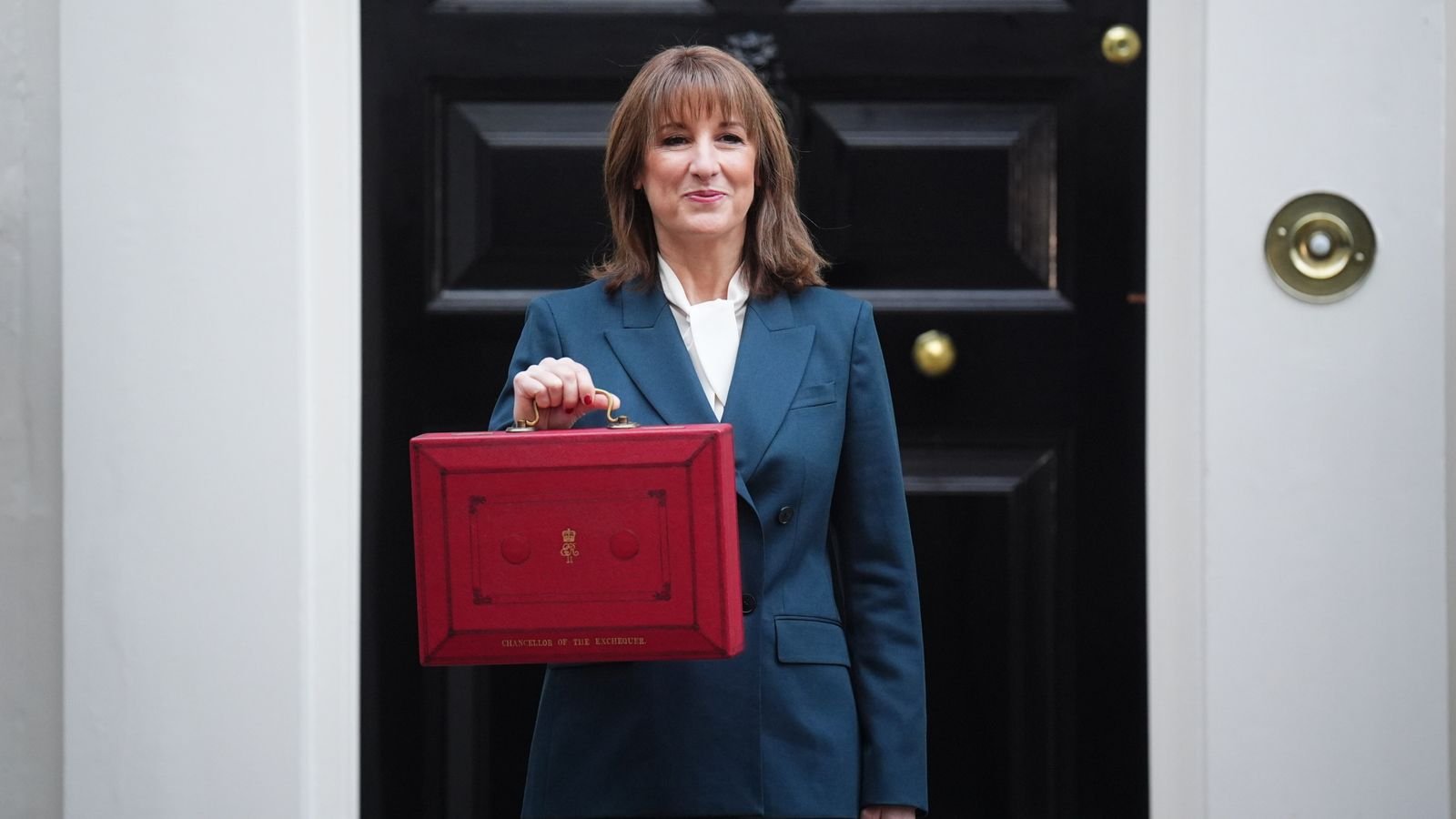
Reeves Faces Scrutiny Over Budget Claims Amid £26bn Tax Hike
Rachel Reeves is currently defending herself against allegations of misleading the public regarding the fiscal situation leading up to the recent budget announcement, which included a substantial £26 billion increase in taxes. The Office for Budget Responsibility (OBR), the UK’s fiscal watchdog, has come under scrutiny as its chair disclosed that forecasts shared with Reeves before the budget were not in line with her public statements.
OBR’s Revelations Stir Controversy
The controversies escalated following a letter from OBR chair Richard Hughes, dated Friday, which disclosed previously confidential forecasts provided to Reeves in the run-up to the budget. This unprecedented release aimed to clarify the financial landscape prior to the government’s tax measures.
On September 17, the OBR’s initial forecast indicated a downgraded growth outlook for the UK. However, significant revisions occurred in subsequent forecasts:
- October 20: The financial outlook turned positive, showcasing a small surplus of £2.1 billion.
- October 31: The final forecast showed a surplus of £4.2 billion, contradicting Reeves’ assertions of a significant fiscal deficit.
These discrepancies raise questions about the narratives Reeves presented in public forums, particularly her discussions around a supposed fiscal black hole. Critics have pointed out that instead of reflecting the improving situation, her comments leaned heavily on impending fiscal crises.
Political Reactions and Accusations
The political fallout from this situation has been swift, with calls for accountability from members of the Conservative Party. Tory leader Kemi Badenoch claimed that Reeves had misrepresented the OBR’s findings, suggesting that this misrepresentation was morally unacceptable. She urged for Reeves’ resignation over what she termed a betrayal of public trust.
Furthermore, economist Paul Johnson, formerly of the Institute for Fiscal Studies, weighed in, asserting that Reeves’ press briefing on November 4 was misleading and intended to cast a narrative of a fiscal emergency that did not exist. He emphasized that such actions could erode public confidence in economic governance.
Background
This controversy comes at a time of heightened economic scrutiny in the UK, particularly as the government seeks to navigate rising welfare costs and public expectation for economic growth. Reeves has asserted commitments to safeguard public spending on essential services, despite tax increases aimed at bridging any fiscal gaps.
What’s Next for Reeves?
As Reeves embarks on a series of media appearances, she is expected to face probing questions regarding the implications of her budget measures for economic growth, the rising welfare expenditures, and the public’s mixed response to her administration’s financial strategies. Her stance remains that the forecasts from the OBR can fluctuate and that her decisions were based on the best information available at the time.
While she aims to clarify her position, the narrative surrounding the budget’s implications and her transparency in communicating financial realities will likely dominate public and political discourse in the coming days.
Source: Original Article






