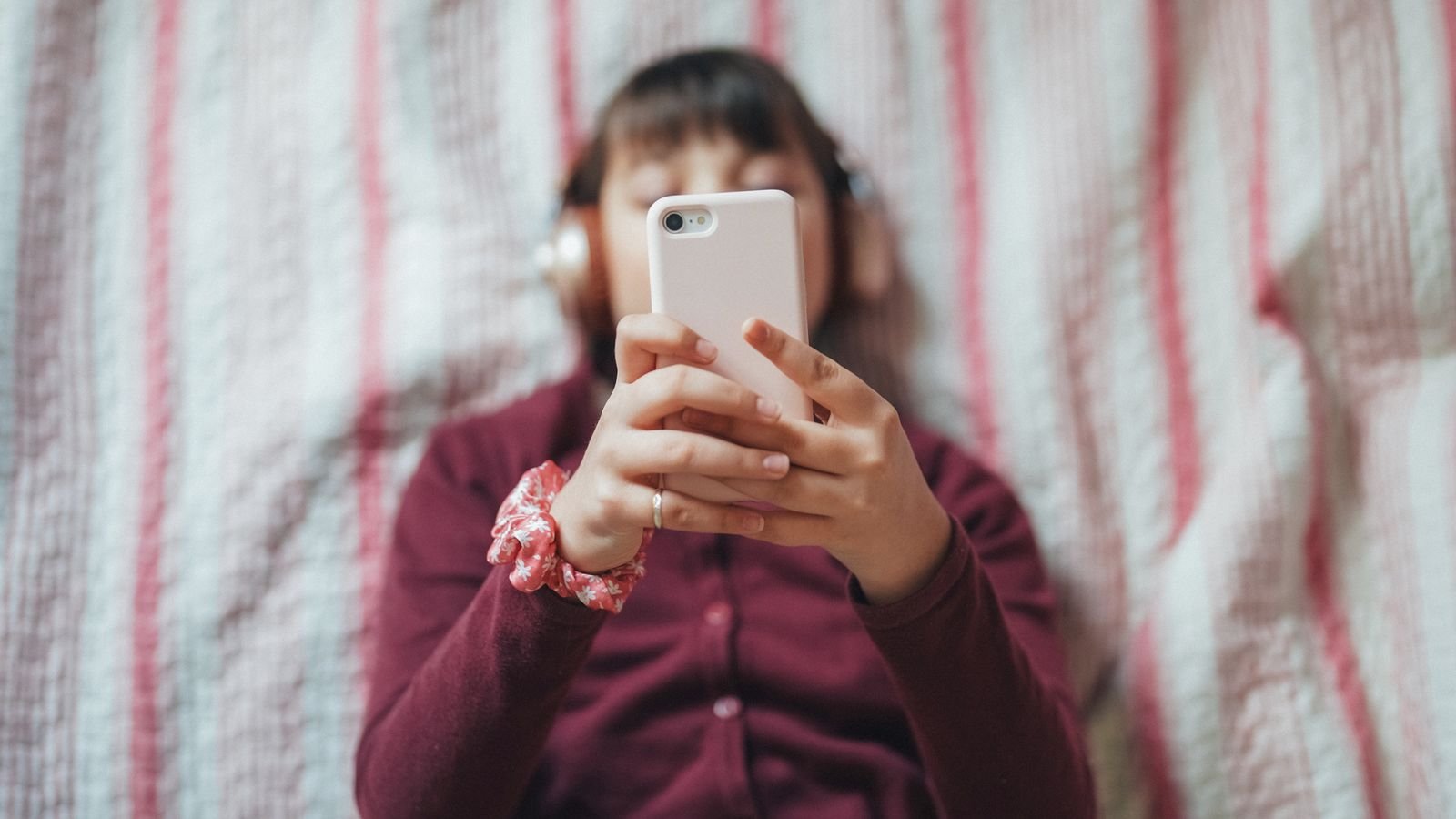
Controversy Surrounds Australia’s Social Media Ban
Australia’s recent move to impose restrictions on social media usage for individuals under the age of 16 has sparked debate about the efficacy and scientific justification of such a measure. While pervasive narratives highlight the adverse effects of social media, empirical evidence supporting the ban remains scant.
The Case Against Social Media
Many users reporting frustration with social media platforms have raised concerns regarding their addictive nature and potential detrimental impact on mental health, particularly among youth. Alarmingly, findings from Australia indicate a significant decline in teenage mental health; one measure of positive mental health has decreased by 10%, while self-harm incidents have surged over 40%.
Globally, the indicators are similarly troubling, with the prevalence of depressive symptoms among adolescents rising from 24% to 37% in just a decade. These statistics suggest that mental health issues may be linked to the advent of social media, particularly since social media became mainstream around 2010.
The Search for Scientific Evidence
Despite rising concern, researchers investigating the relationship between social media usage and mental health have struggled to draw definitive conclusions. A comprehensive analysis by a team from the University of Cambridge examined 143 studies yet found only a weak correlation between social media use and psychological issues such as anxiety and depression.
For context, correlations between well-known variables, such as alcohol consumption and blood-alcohol levels, have been quantified at around 0.90. However, the correlation between social media usage and mental health symptoms is reported to lie between 0.08 and 0.12, suggesting that while there may be a connection, it is considerably weaker than many other established relationships.
Global Studies Yield Mixed Results
Further scrutiny of the situation has included research across 72 countries, which concluded that the spread of social media did not correlate with widespread psychological harm. Although some effects on younger users were observed, these were minimal and did not present a clear-cut narrative regarding harm.
Researchers, including Victoria Goodyear from the University of Birmingham, advocate for caution in implementing large-scale interventions. The complexity of the issue, combined with a lack of clear evidence supporting the harm posed by social media, complicates the decision-making process for public health officials.
Debate Among Experts
A divide exists within the academic community regarding the impact of social media on youth. Notably, Jonathan Haidt, author of *The Anxious Generation*, argues convincingly that social media is detrimental to children, a stance that has garnered considerable attention among parents and advocacy groups. In contrast, some researchers caution against oversimplifying the relationship between social media and mental health issues, suggesting that psychological profiles may influence social media interactions rather than vice versa.
Critics argue that banning social media may fail to address the underlying issues facing young people today. Recommendations have surfaced advocating for a more holistic approach to improving youth well-being, promoting balance and healthy alternatives to screen time rather than imposing prohibitive measures.
Background
The ongoing discourse around social media’s role in youth mental health continues to be a significant global concern. As social media platforms increasingly shape social interactions and information dissemination, the ramifications for mental health, especially amongst adolescents, demand careful study and deliberation.
As Australia forges ahead with its new restrictions, it remains to be seen how such policies will translate into broader discussions and potential legislative measures in other countries, including the UK.
Source: Original Article