






















Introduction
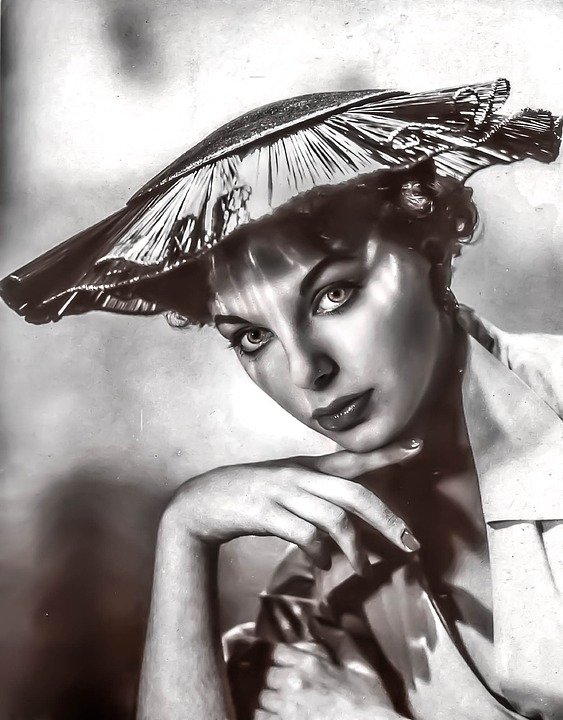
The early years of Hollywood witnessed a remarkable evolution in film production, marked not only by technical innovations but also by the artistry of costume design. Costumes in this era played a critical role in defining characters and setting the tone for narratives. Designers employed various techniques that not only reflected the zeitgeist of their times but also helped establish enduring archetypes in cinema.
The Role of Costume Design
Costumes serve as visual storytelling tools that reveal a character’s social status, personality, and transformation throughout a film. In early cinema, as filmmakers grappled with the limitations of technology, they relied heavily on costumes to convey information that dialogue or narration could not deliver.
Key Techniques in Costume Design
-
Color Theory:
Costume designers like Adrian, who worked extensively with MGM, used color to evoke emotional responses and signify character traits. Bright colors could signify vitality and youth, while somber tones often indicated seriousness or melancholy.
-
Historical Authenticity:
In films such as “The Last of the Mohicans” (1936), costume designers painstakingly researched historical garments to lend authenticity to the visual narrative. This attention to period detail helped IMMERSIVE viewers in the story’s setting.
-
Silhouettes and Shapes:
Early costume designers manipulated silhouettes to define characters. For instance, the exaggerated hourglass shape popularized by Joan Crawford and other starlets of the 1930s not only set fashion trends but reinforced feminine ideals of the time.
-
Symbolism:
Costumes frequently served symbolic purposes. In “Gone with the Wind” (1939), Scarlett O’Hara’s dresses evolve throughout the film, reflecting her emotional and social journey, thus illustrating how costume can align with character development.
-
Fabric Choices:
Texture and fabric selection were paramount, as seen in the lavish designs of early musicals. Designers utilized luxurious materials like silk and satin to enhance the grandeur of periods such as the Roaring Twenties, adding depth to the characters portrayed.
Influential Costume Designers
Several figures in early Hollywood left an indelible mark on costume design, shaping not only individual films but the industry as a whole.
-
Edith Head:
One of the most recognized names in costume design, Head’s work earned her eight Academy Awards and a reputation for her keen eye and collaboration with leading actresses, from Audrey Hepburn to Grace Kelly.
-
Walter Plunkett:
Known for his work in “Gone with the Wind” and “Singin’ in the Rain” (1952), Plunkett’s designs ranged from opulent ball gowns to functional costumes, showcasing versatility and a profound understanding of character narratives.
Conclusion
Costuming in early Hollywood was much more than mere fabric and thread; it was a pivotal aspect of storytelling that helped define character arcs while reflecting the spirit of the times. Through color, texture, and historical accuracy, costume designers crafted visual metaphors that continue to influence filmmakers and audiences alike. As we appreciate the classics today, the art of costume design remains a testament to the creativity and ingenuity of early Hollywood.






