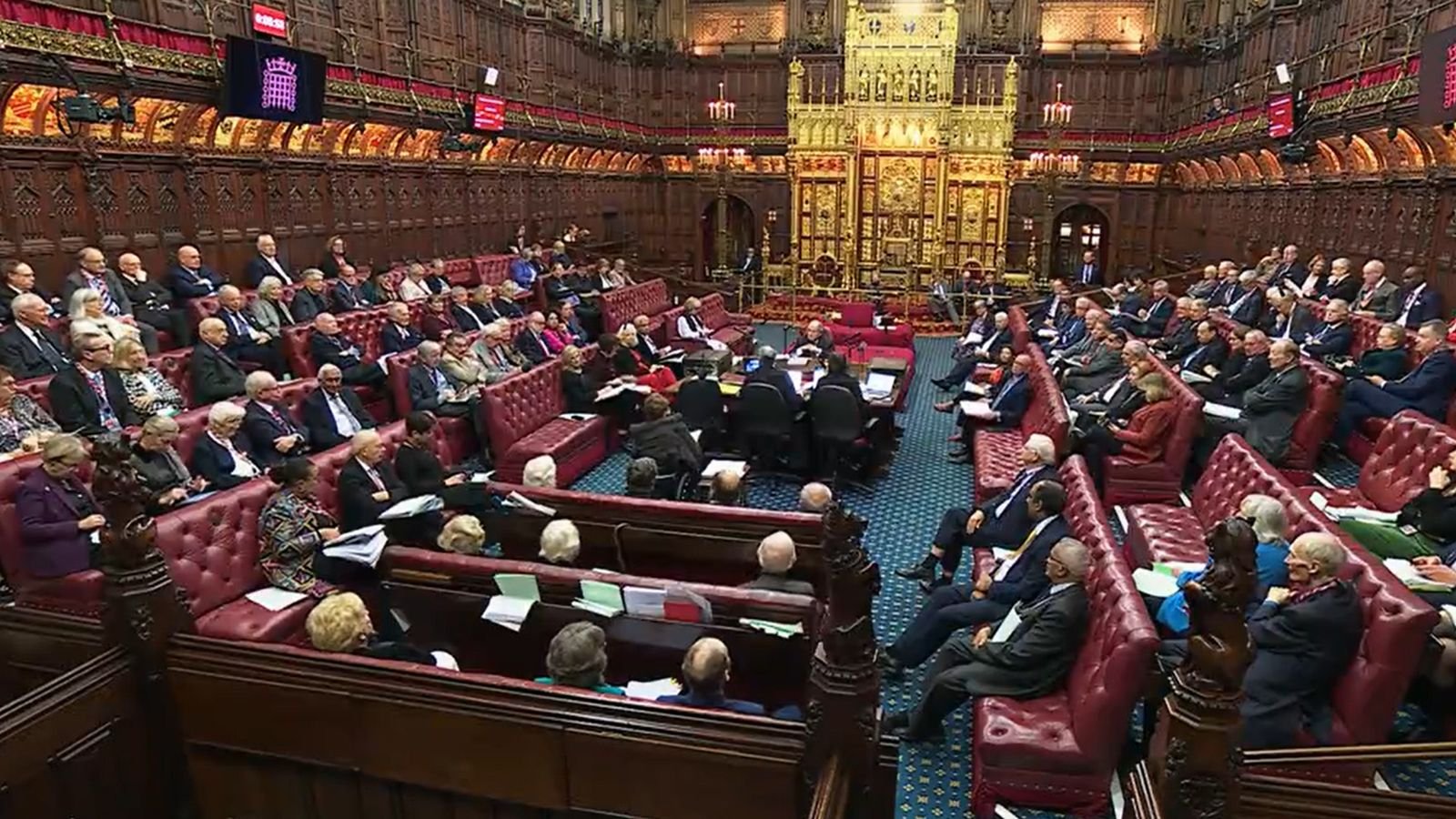
Opposition Grows Over Assisted Dying Bill and Parliament Act Utilisation
Concerns are mounting over the potential use of the Parliament Act to push through the controversial assisted dying bill, particularly in the absence of support from the House of Lords. Critics argue that such a move would be unprecedented and risks undermining proper legislative scrutiny.
Key Perspectives on the Bill
Crossbench peer Baroness Ilora Finlay has expressed strong opposition, labelling the use of the Parliament Act as “outrageous.” Finlay, who has a medical background and has served as the former president of the Royal Society of Medicine, contends that rushing the bill through without thorough evaluation is highly irresponsible.
In a similar vein, Conservative peer Lord Mark Harper has described the proposed legislation as “unsafe and deficient.” He voiced concerns regarding the motivations behind Lord Falconer, the bill’s promoter, suggesting that forcing a bill of this nature through the legislative process is perilous.
Arguments from Advocates
Lord Falconer has acknowledged that employing the Parliament Act in this context would be unprecedented but insists that it is necessary to uphold the primacy of the elected House of Commons. He argued that a minority in the Lords should not have the power to obstruct what he views as an essential societal change.
The Parliament Act permits the passage of a bill that has been approved by the Commons in two consecutive sessions, even if the Lords refuse to support it. Historically, this act has been invoked only seven times since its inception over a century ago.
Current Status of the Bill
The assisted dying bill has faced significant delays in the House of Lords, with its future now appearing uncertain. The next debate is scheduled for Friday, but opposition sources indicate that MPs might resist backing the bill if the Parliament Act is employed—labeling such a tactic as “the act of a bully.” Labour MP Jess Asato warned that hastily advancing a flawed bill could lead to major repercussions.
Scrutiny and Legislative Process
Critics point to a lack of rigorous examination of the bill, citing that only 20 out of 88 proposed amendments have been considered during the recent committee stages. They claim that the term “filibustering” is being misused to describe their thorough review process, which they argue is essential for a bill of this complexity.
According to Baroness Finlay, important issues still need addressing, particularly regarding the potential eligibility of pregnant women and the risk of coercion for vulnerable individuals seeking assisted deaths. She asserts that the existing provisions offer little protection for those who may be at risk.
Conclusion
The ongoing debate over the assisted dying bill highlights the tensions between legislative responsibilities and ethical considerations. As peers continue to scrutinise the bill, the outcome remains uncertain, particularly with an impending parliamentary deadline looming in May.
Background
The issue of assisted dying has gained traction in the UK in recent years, prompting parliamentary discussions on the appropriate framework for addressing individual autonomy at the end of life. As societal attitudes evolve, the parliamentary system’s response to such conscience-driven matters is likely to face ongoing challenge and scrutiny.
Source: Original Article