






















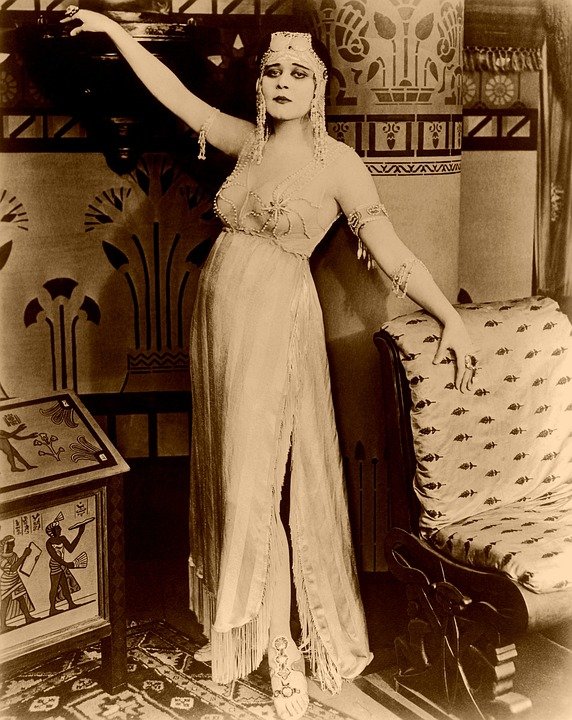
Introduction to Movement in Silent Cinema
Silent films, which dominated the film industry before the advent of synchronized sound in the late 1920s, relied heavily on visual storytelling techniques. The absence of dialogue necessitated an innovative approach to narrative construction, emphasizing choreography and movement to engage audiences.
The Role of Choreography
Choreography in silent films created dynamic interactions between characters and their environments, often conveying emotions and narrative developments that would later be articulated through dialogue. Key directors and performers understood the significance of movement, using it as an essential narrative device.
Influential Directors and Their Techniques
Several prominent directors pioneered techniques that highlighted movement in their storytelling. Notable figures included:
- D.W. Griffith: An innovator in editing and storytelling, Griffith’s films often featured elaborately staged movements that enhanced emotional impact. His film, “Intolerance” (1916), used expansive sets and coordinated movements to illustrate complex narratives.
- Sergei Eisenstein: Known for his intellectual and visual approach, Eisenstein utilized carefully choreographed movement to create visual rhythm in films such as “Battleship Potemkin” (1925). His famous Odessa Steps sequence is a prime example of how movement can amplify narrative tension.
- Charlie Chaplin: Chaplin’s comedic genius lay in his ability to blend dance-like movement with storytelling. His iconic character, the Tramp, showcased rhythmic and expressive physicality, as seen in films like “The Kid” (1921) and “City Lights” (1931).
Movement Styles and Genres
The exploration of movement varied across different genres of silent film, reflecting distinct stylistic trends:
- Comedy: Comedic films often relied on exaggerated movement and slapstick routines, epitomized by performers like Buster Keaton and Harold Lloyd. Their mastery of physical comedy combined precision with spontaneity to create memorable sequences.
- Drama: In dramatic narratives, movement was used to express inner turmoil and emotional depth. Actors like Lillian Gish employed subtle movement to convey vulnerability, enhancing the storytelling experience.
- Fantasy and Adventure: Films in this category, such as “A Trip to the Moon” (1902) by Georges Méliès, used choreographed movement and special effects to create imaginative worlds, blending theater and cinematic innovation.
Legacy of Movement in Silent Films
The choreography and movement techniques developed in silent cinema laid the groundwork for future filmmaking. Directors of the sound era continued to integrate movement into their narratives, influenced by the silent film aesthetic. The fluidity of movement established in silent films has influenced contemporary filmmakers, emphasizing that visual storytelling transcends dialogue.
Conclusion
The exploration of choreography and movement in silent films reveals the artistry involved in early cinema. These foundational practices not only entertained audiences but also enriched the narrative potential of the medium. As we celebrate the legacy of silent film, we recognize the profound impact that movement has had on the evolution of cinematic storytelling.






