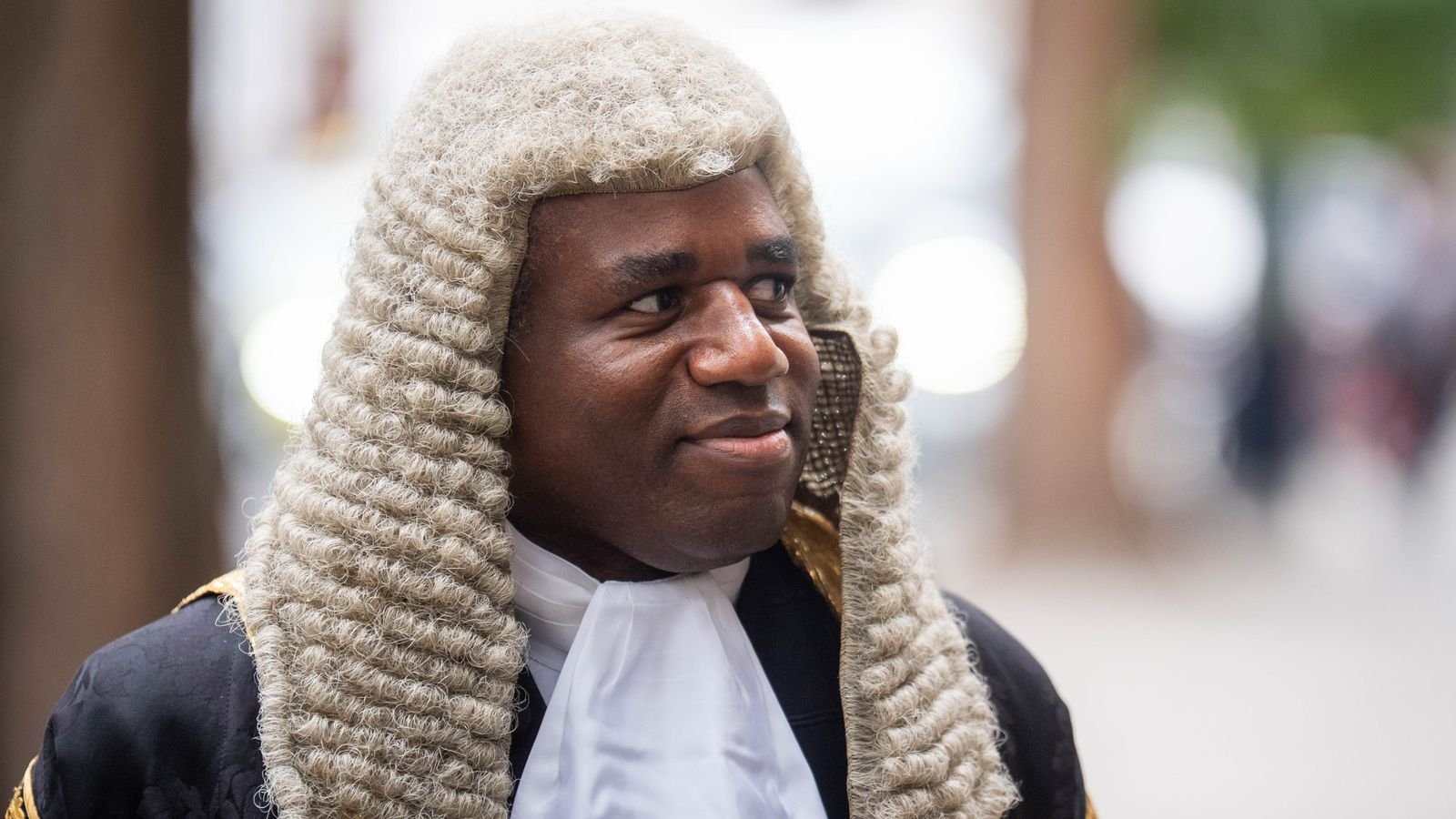
Government’s Radical Justice Reforms: Aiming to Alleviate Court Backlog
The UK government is poised to initiate transformative measures to address the ongoing judicial crisis, including potential restrictions on jury trials to only the most serious offences. Deputy Prime Minister David Lammy is set to articulate the dire state of the justice system, highlighting that prolonged waiting times are threatening its very viability.
Current Crisis in the Justice System
In his forthcoming address, Lammy will underscore the struggles faced by victims, many of whom are now hesitant to pursue legal action due to uncertainties surrounding case outcomes. This, he asserts, creates an environment where offenders are not adequately held accountable.
Recent statistics reveal a staggering backlog of 78,000 crown court cases, with some trials projected to commence as late as 2030. Experts warn this figure could escalate to 100,000 within three years if corrective measures are not swiftly implemented.
Key Proposals for Reform
Lammy’s announcement, anticipated later today, could feature recommendations stemming from earlier consultations with legal experts. Former senior judge Sir Brian Leveson has previously suggested diverting a greater number of offences to magistrates’ courts and limiting jury trials to serious crimes such as murder, rape, and manslaughter. This strategy may likewise encompass complex fraud cases, allowing judges to exercise enhanced discretion over case management.
Government’s Assurance and Criticism
Lammy, who also holds the position of justice secretary, has dismissed allegations that his proposals intend to eliminate jury trials altogether, instead framing them as a necessary reform to preserve the integrity of the system. However, these suggestions have faced backlash from various MPs and legal entities, with the Law Society describing the proposed changes as extreme and potentially ineffective in addressing the case backlog.
Opposition from Shadow Justice Secretary Robert Jenrick has also emerged, accusing Lammy’s party of intensifying the crisis and neglecting their responsibilities. Jenrick pointed to missed court sitting days, which have contributed to a 10% increase in the backlog this year alone.
Impact on Victims and Support Services
Statistics indicate that a significant proportion of the pending cases involve violent and sexual offences, with jury trials currently making up only about 3% of all criminal proceedings. In response to the crisis, Lammy is expected to announce a funding boost of £550 million over three years to enhance victim support services aimed at helping survivors navigate the justice system.
Stakeholder Reactions
The incoming victims’ commissioner, Claire Waxman, has welcomed the financial commitment but cautioned that it will not resolve the broader challenges facing the sector. Additional strategies may include increasing court sitting days and implementing a match-funding initiative to assist aspiring criminal barristers.
Tom Franklin, chief executive of the Magistrates’ Association, emphasised the importance of expediting justice while ensuring that the quality of legal proceedings is not compromised by speed.
Background
The ongoing issues within the UK’s legal system have been exacerbated over time by various factors, including the pandemic’s impact on court operations. With the number of unresolved cases reaching record levels, the government is under mounting pressure to introduce effective reforms that not only reduce the backlog but also restore public confidence in the justice system.
Source: Original Article