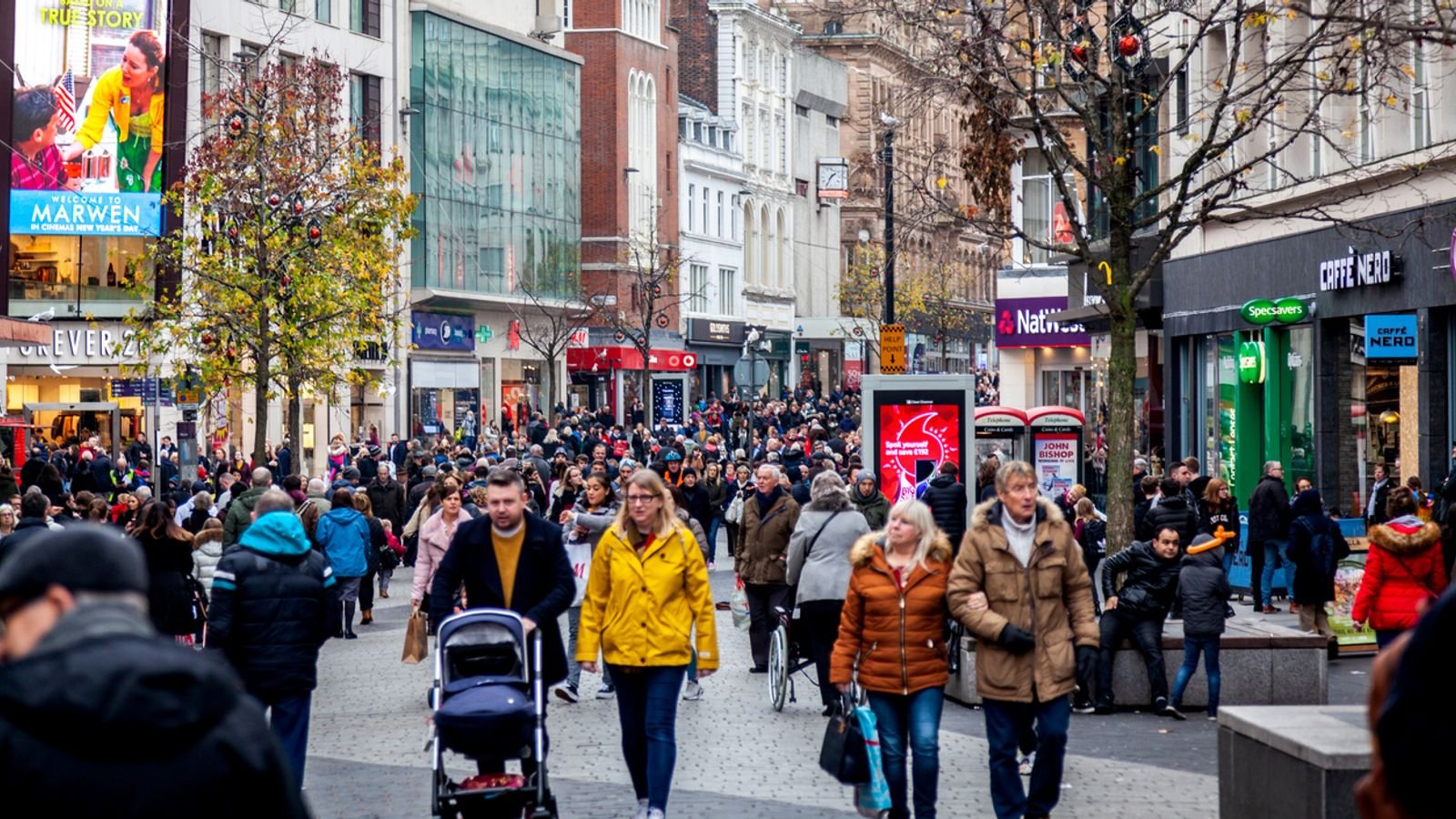
Retail Sales in the UK Show Unexpected Resilience in December
Retail sales in the UK have shown a surprising increase during December, outperforming economists’ expectations for the Christmas shopping season. The Office for National Statistics (ONS) reported a 0.4% rise in the total volume of retail sales for the month, countering the predicted decline of 0.1%.
A Positive Sign for Retailers
This increase in retail sales offers a glimmer of hope for retailers, who often depend on robust holiday season sales to support their operations throughout the year. This data comes in the wake of a notable boost in online sales, which surged by 4.4%, the highest increase since February. Strong demand for precious metals like gold and silver played a significant role in driving this online growth.
Understanding the Significance of Retail Sales Figures
Retail sales statistics are vital as they reflect household spending, which is the primary component of the UK’s economic activity. An uptick in retail sales is typically indicative of broader economic growth—a fundamental goal of the government. The latest figures suggest that consumers may have moved past their uncertainties regarding upcoming budget announcements.
Factors Behind the Sales Increase
The recent rise in retail sales can largely be attributed to heightened interest in gold and silver, as reported by the ONS. The prices of these metals reached unprecedented levels in December, making them a compelling purchase for consumers and investors alike. This trend mirrors a similar uptick observed in September, wherein investors often shift their funds from shares to safer investments like gold amid fluctuating political and economic conditions.
Despite the increase in retail sales, department stores recorded a noticeable decline in household goods purchases. However, alternative shopping avenues such as online retailers, markets, and street stalls saw increased patronage, with “non-store retailers” witnessing a 4.2% rise in sales.
The Bigger Picture: Annual Trends
Looking at the broader scope, retail sales over the entire year up until December also exceeded expectations, marking a 2.5% increase compared to the anticipated rise of just 1.1%. However, when assessing the three-month period from October to December—often deemed the critical quarter for retailers—a contraction of 0.3% was noted compared to the preceding quarter.
The prior three months had been particularly strong due to favourable weather conditions and the engagement of the UEFA Women’s Euros. Nevertheless, retail sales volumes remain below pre-pandemic levels, languishing after a dip experienced in 2023 amid significant inflationary pressures.
Background
The economic context surrounding these figures is critical. The late scheduling of the budget on 26 November and the ensuing speculation about its contents had previously contributed to economic contraction in October, as highlighted by the ONS. These new retail figures could signal a shift in consumer sentiment as the nation moves forward.
Source: Original Article