






















Doomsday Clock Ticks Closer to Midnight as Global Threats Escalate
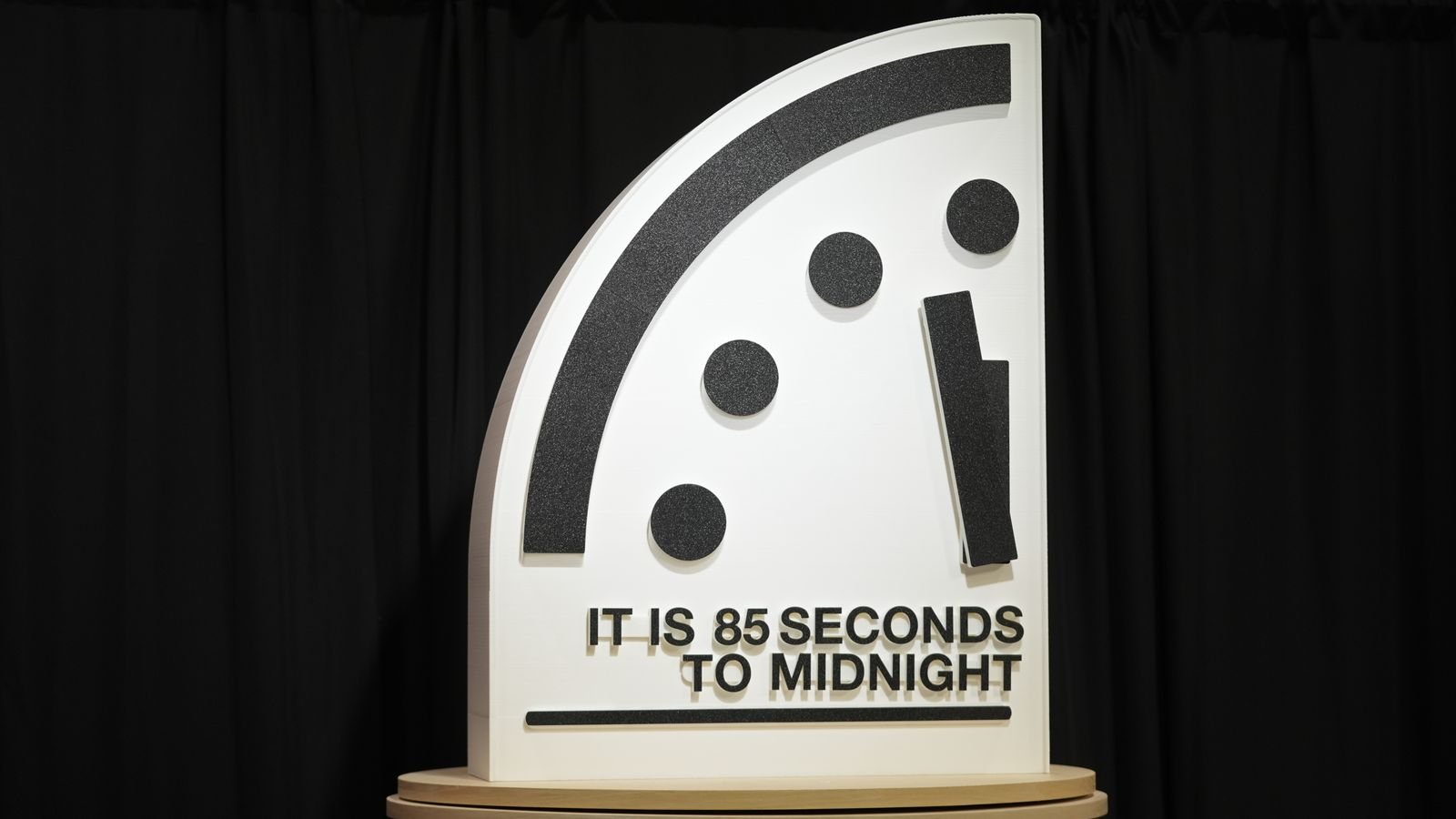
The Doomsday Clock has been adjusted to just 85 seconds to midnight, the closest it has ever been, indicating an alarming escalation in global dangers. This alteration highlights rising concerns about nuclear threats, geopolitical tensions, and the potential misuse of artificial intelligence.
Significance of the Clock
The Doomsday Clock serves as a metaphorical representation of the existential risks humanity faces, with midnight symbolizing catastrophic destruction. The clock is managed by the Bulletin of the Atomic Scientists, which regularly evaluates international affairs to assess how close humanity is to a catastrophic event.
Reasons for the Change
Scientists attribute this latest adjustment to a multitude of factors:
- Nuclear Threats: Increasing aggression from nuclear powers, including Russia, China, and the United States, remains a predominant concern.
- Geopolitical Tensions: Ongoing military operations, particularly the war in Ukraine and border disputes involving India and Pakistan, have raised alarm.
- Artificial Intelligence Risks: Unchecked integration of AI into military frameworks poses potential dangers, including the risk of biological threats and the proliferation of disinformation.
Alexandra Bell, CEO of the Bulletin, remarked, “Every second counts, and we are running out of time.” She emphasised the urgent need for immediate action as current diplomatic frameworks face significant strain or are close to collapse.
Historical Context of the Clock
Established in 1945 by notable scientists, including Albert Einstein, the Doomsday Clock was created to inform the public about the threats posed by nuclear warfare following the atomic bombings of Hiroshima and Nagasaki. Its first placement was set at seven minutes to midnight, symbolising the urgency of the situation then.
Recent Adjustments
This year’s shift from 89 seconds to 85 seconds follows a series of close calls. The clock was previously set at 100 seconds during the COVID-19 pandemic in 2020 and moved to 90 seconds in 2023, reflecting escalating dangers from various global crises, such as ongoing wars and climate change.
Global Leadership and Responsibility
Experts have voiced disappointment over a perceived lack of global leadership and collective responsibility in addressing these urgent threats. Maria Ressa, a Nobel Peace Prize laureate, highlighted the role of “extractive and predatory technology” in exacerbating societal divisions and misinformation.
Conclusion
The current position of the Doomsday Clock serves as a stark reminder of the precarious state of global security. As humanity faces a plethora of challenges interconnected by geopolitical strife and technological advancements, the time for decisive action is rapidly diminishing.
Source: Original Article






