Building Collapse in Morocco Claims Lives
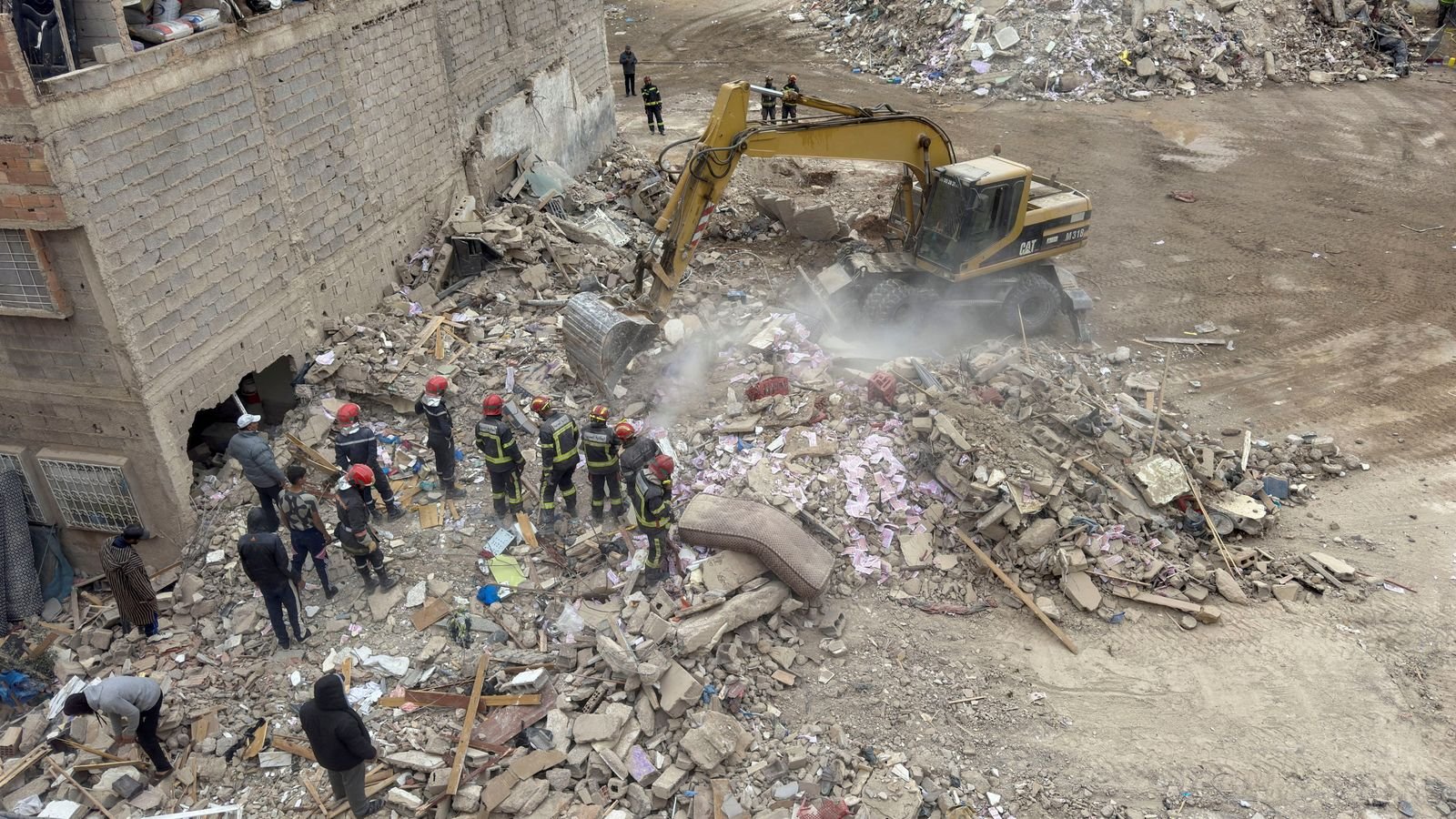
A tragic building collapse in Fez, Morocco, has resulted in at least 22 fatalities and left numerous individuals injured. The incident occurred while one of the affected buildings was hosting an Aqiqah, a traditional Muslim celebration for a newborn child. Local authorities confirmed that one of the structures was home to eight families, while the other was vacant at the time of the disaster.
Details of the Incident
Rescue operations have been hampered as witnesses reported that the buildings displayed signs of distress prior to the collapse. Eyewitness accounts revealed a sense of panic as residents were forced to flee. One survivor shared a harrowing account of losing his wife and three children, mentioning that rescuers managed to recover only one body amid the rubble. Another individual recounted their son, who lived on an upper floor, warning them moments before the catastrophe struck.
Investigation and Casualties
The Fez public prosecutor announced plans for a thorough investigation into the collapse, which has also resulted in at least 16 injuries according to initial reports. This tragedy is part of a broader issue in Morocco, where more than 38,000 buildings are reportedly classified as at risk of similar collapses, according to Adib Ben Ibrahim, the country’s housing secretary.
The current event marks one of the most severe building collapses in recent Moroccan history, recalling a 2010 incident in Meknes where a minaret fell and claimed 41 lives.
Context and Implications
Fez, a city with a rich history that dates back to the eighth century, has been grappling with declining living conditions and inadequate public services, leading to public outcry and protests in recent months. The unrest, primarily driven by younger citizens, highlights deep-seated frustrations regarding poverty and governmental inaction.
This recent collapse underscores a growing concern about building safety and living conditions in Morocco, particularly as the government pushes forward with ambitious infrastructure initiatives aimed at hosting global events, such as the 2030 FIFA World Cup. These projects come at a time when many of Fez’s communities continue to struggle with poverty.
Background
- In previous months, there have been widespread protests in Morocco over issues of poverty and public service inadequacies.
- Fez is scheduled to be one of the host cities for the upcoming FIFA World Cup, a factor contributing to rising tensions regarding the state of local infrastructure.
This incident highlights the urgent need for improved safety regulations and infrastructure standards in Morocco, drawing attention to a troubling pattern of building failures that endanger lives.
Source: Original Article