






















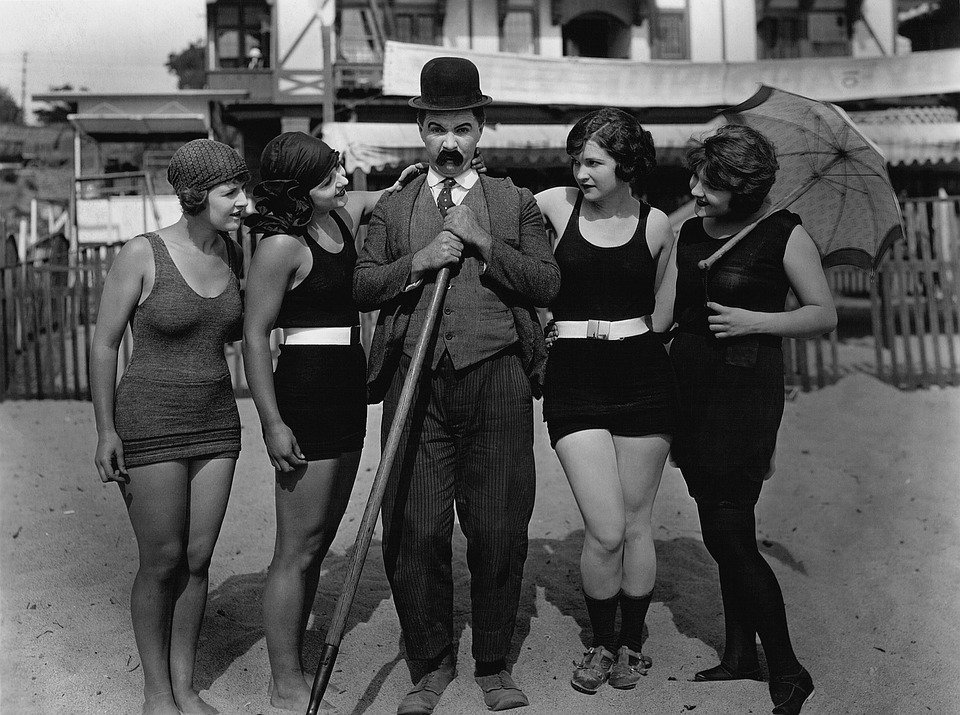
Understanding the Silent Film Era
Silent films emerged in the late 19th century and flourished until the late 1920s, setting the foundation for cinematic storytelling. Unlike modern films, silent movies relied solely on visual elements, expressions, and body language to convey emotion and narrative, paving the way for innovative dramatic techniques.
Key Dramatic Techniques in Silent Films
The absence of synchronized sound in silent films necessitated the development of unique storytelling methods. Some notable techniques include:
- Visual Expression: Actors relied heavily on facial expressions and gestures to communicate emotions, often using exaggerated movements to ensure clarity.
- Intertitles: Text cards were used to convey dialogue and important narrative information, allowing filmmakers to guide the viewer through the story.
- Symbolism and Visual Metaphor: Objects and gestures often carried symbolic weight, enabling filmmakers to convey complex themes without dialogue.
- Physical Comedy and Melodrama: Genres such as slapstick and melodrama flourished, showcasing the power of physicality and emotional extremes in storytelling.
Influential Figures in Silent Cinema
Numerous directors and actors shaped the silent film landscape, leaving an indelible mark on cinematic techniques:
- Charlie Chaplin: Known for his multifaceted character “The Tramp,” Chaplin masterfully blended comedy with poignant social commentary, utilizing expressive body language.
- D.W. Griffith: A pioneer in narrative structure and editing, Griffith’s work in films like “The Birth of a Nation” and “Intolerance” introduced groundbreaking techniques in storytelling.
- Fritz Lang: In films like “Metropolis,” Lang employed innovative lighting and set design to create visually stunning representations of dystopian themes.
The Legacy of Silent Film Techniques
The dramatic techniques of silent films laid essential groundwork for contemporary storytelling in various media:
- Visual Storytelling: Modern filmmakers continue to emphasize visual storytelling by concentrating on cinematography and composition, as seen in the works of directors like Wes Anderson and Quentin Tarantino.
- Expressive Performance: Actors like Jim Carrey and Robin Williams exemplify the legacy of physical comedy and expressive performance styles, reminiscent of silent film techniques.
- Intertitles and Text: In today’s silent narratives, such as in animated films and certain artistic ventures, filmmakers often incorporate text to complement visual elements, inspired by early intertitles.
Conclusion
The silent film era was not merely a precursor to modern cinema; it introduced timeless techniques that continue to influence filmmakers today. The expressive language of silent storytelling remains embedded in cinematic history, illustrating the enduring power of visual communication in engaging audiences across generations.






