






















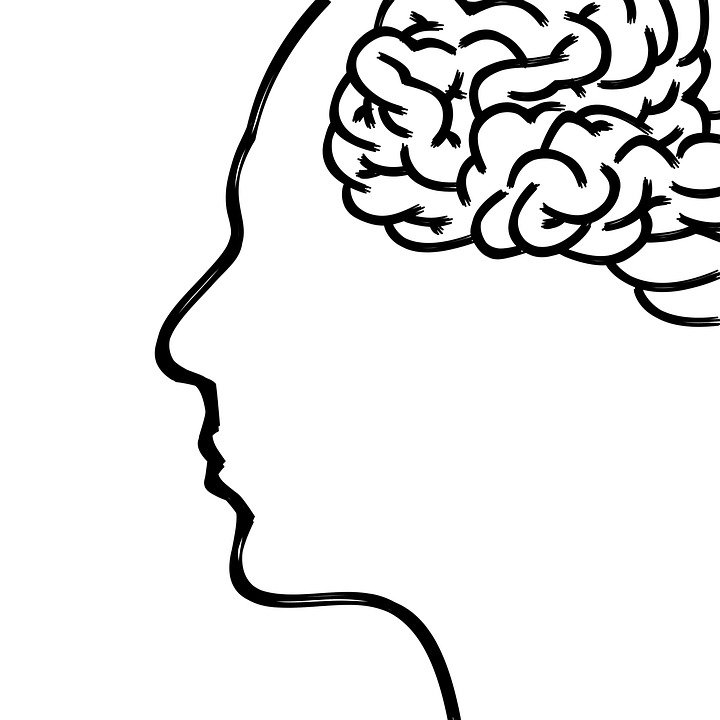
Understanding Emotions and Cognition
Emotions and cognition are integral components of our mental processes, playing a vital role in how we perceive the world and respond to various situations. The interplay between these two aspects can significantly influence our behavior, decision-making, and overall well-being.
What are Emotions?
Emotions are complex psychological states that involve three distinct components:
- Subjective Experience: This refers to how an individual personally feels in a given situation.
- Physiological Response: This includes the bodily reactions that accompany emotions, such as increased heart rate or changes in hormone levels.
- Behavioral Response: This involves how individuals express their emotions through actions or facial expressions.
What is Cognition?
Cognition encompasses various mental processes such as:
- Perception: How we interpret and understand sensory information.
- Attention: The ability to focus on specific stimuli while ignoring others.
- Memory: The process of encoding, storing, and retrieving information.
- Reasoning and Problem-Solving: The cognitive processes involved in analyzing information and making decisions.
The Interplay Between Emotions and Cognition
The relationship between emotions and cognition is reciprocal. Emotions can influence cognitive functions, and cognition can shape emotional responses. Here are some key points to consider:
- Decision-Making: Emotions can impact how we make choices. Often, individuals may rely on their feelings rather than purely rational thought processes when faced with decisions.
- Memory Recall: Emotional experiences tend to be easier to remember than neutral ones. The emotional significance of an event can enhance memory retention.
- Attention and Focus: Emotions can affect where we direct our attention. For example, strong emotions may lead us to focus on specific details that we perceive as relevant or threatening.
Implications for Well-Being
Understanding the interplay between emotions and cognition can help individuals improve their mental well-being. Practices that enhance emotional intelligence, such as mindfulness and reflection, may contribute to better cognitive functioning.
Furthermore, being aware of how emotions influence thought processes can lead to healthier decision-making. Developing strategies to manage emotions can promote a balanced approach to both personal and professional challenges.
Conclusion
In summary, the intricate relationship between emotions and cognition highlights the complexity of human behavior and mental processes. By recognizing and understanding this interplay, individuals can foster greater emotional awareness and cognitive clarity, contributing to their overall health and well-being.






