






















Understanding essential first aid techniques can help prepare you for everyday accidents. Knowing the proper response can not only alleviate immediate physical harm but can also offer reassurance to those affected. Here are some fundamental techniques to consider.
1. Assess the Situation
Before offering assistance, it is vital to assess the environment and the condition of the affected person. Make sure it is safe for you to approach the scene. Look for any potential dangers that could affect you or the injured person.
2. Call for Help
If the situation requires professional medical assistance, do not hesitate to call local emergency services. Provide clear information about the location and nature of the incident.
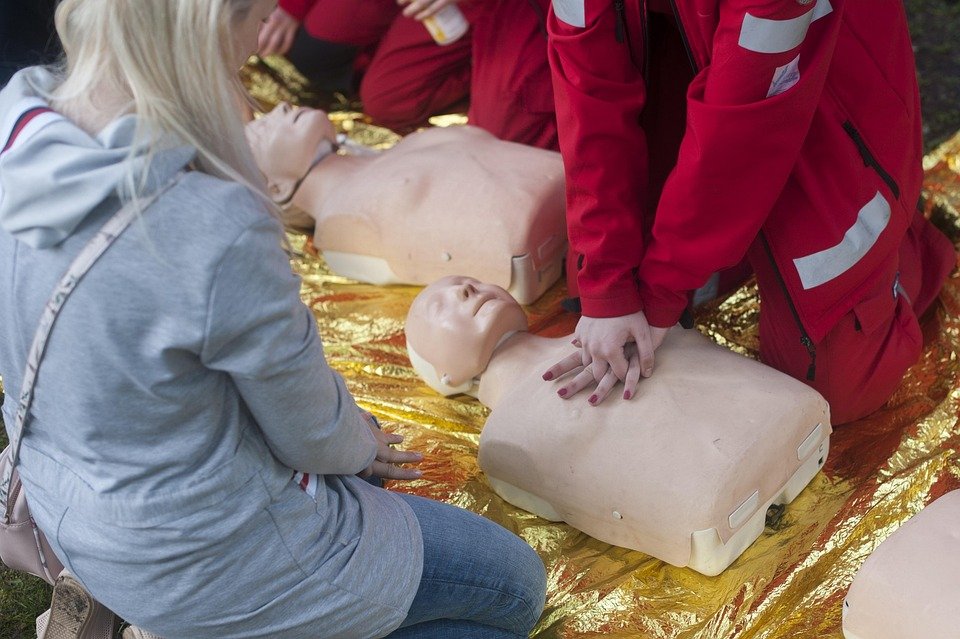
3. Perform Basic CPR
Cardiopulmonary resuscitation (CPR) is an essential technique that can maintain blood flow and oxygenation in an unconscious person who has stopped breathing.
- Check the responsiveness of the individual.
- If unresponsive and not breathing, place the person on their back on a firm surface.
- Begin chest compressions at a rate of 100-120 compressions per minute.
- After every 30 compressions, provide 2 rescue breaths if trained to do so.
4. Control Bleeding
In the event of bleeding, it’s important to control it quickly:
- Apply direct pressure on the wound using a clean cloth or bandage.
- If blood soaks through, do not remove the original cloth; instead, add more layers to maintain pressure.
- If possible, elevate the injured area above the level of the heart to help slow the bleeding.
5. Treat Burns
Burns require specific attention to alleviate pain and prevent infection:
- Cool the burn with running water for at least 10-20 minutes.
- Cover the burn with a clean, non-stick dressing or cloth.
- Avoid using ice or very cold water, as they can cause further damage.
6. Address Choking
Choking can be life-threatening. Here’s what to do if someone is choking:
- Encourage the person to cough forcefully if they are able to.
- If they are unable to breathe or speak, perform the Heimlich maneuver:
- Stand behind the person and wrap your arms around their waist.
- Make a fist with one hand and place it just above their navel; grasp it with your other hand.
- Give quick, upward thrusts until the object is expelled or they can breathe again.
7. Know When to Seek Help
Some situations may seem minor but can escalate quickly. Always err on the side of caution. If you are uncertain about the severity of an injury or illness, seek professional medical assistance.
By familiarizing yourself with these essential first aid techniques, you can be better prepared to respond to everyday accidents and potentially save lives.






