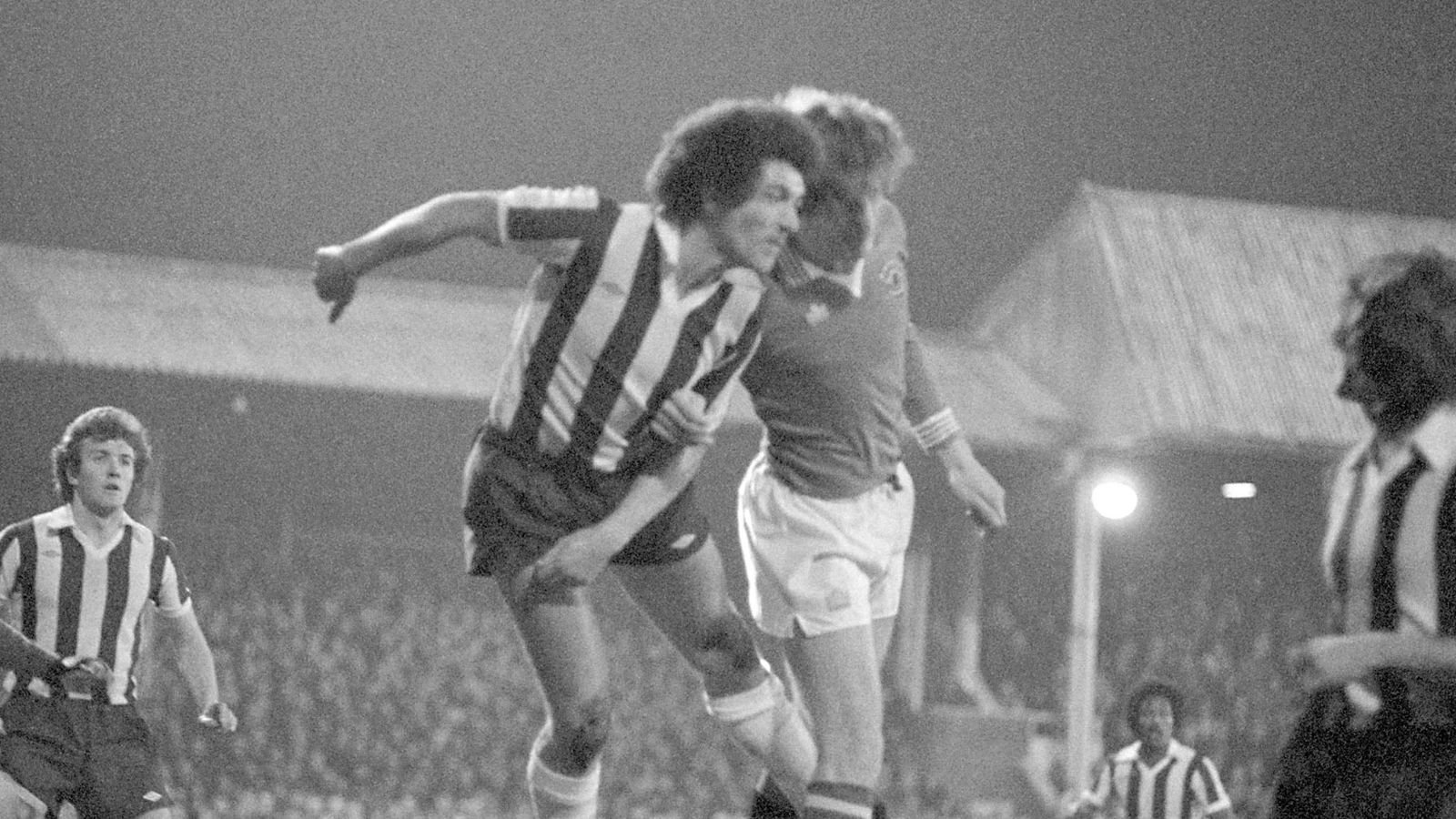
Former Footballer Gordon McQueen’s Dementia Raises Concerns About Heading
Gordon McQueen, the former Scotland international footballer, voiced concerns regarding the impact of heading footballs on brain health as he battled dementia. The revelation came during an inquest into his death at the age of 70, where his daughter, Hayley McQueen, shared insights about his condition and its possible links to his lengthy career as a footballer.
McQueen’s Career and Health Decline
Over his 16-year professional career, McQueen earned 30 caps for Scotland and played for prestigious clubs including Manchester United and Leeds United. After being diagnosed with vascular dementia in 2021, he confided in his family that his extensive experience of heading the ball “probably hasn’t helped” his condition. This form of dementia results from decreased blood flow to the brain and is known to affect approximately 180,000 individuals in the UK, according to the NHS.
Despite maintaining a relatively injury-free record during his time as a player, McQueen did endure some concussions. Hayley McQueen recounted that players from his era would often return to the field immediately after sustaining head injuries. She recalled how, as a child, she noticed her father would frequently come home from training with headaches, choosing to lie down in darkened rooms.
Signs and Symptoms of Dementia
As he aged, family members began to observe noticeable changes in his behavior after he turned 60. Once a sociable and outgoing individual, McQueen started to withdraw from social interactions. He also experienced difficulties with swallowing and balance, expressing to his family his feelings of disorientation and concern that “there’s something not right in my head.”
Wider Implications for the Sport
McQueen’s situation is far from isolated; several members of England’s 1966 World Cup-winning team have been diagnosed with dementia, some of which contributed to their deaths. The case of former England striker Jeff Astle, who passed away at 59 due to repeated heading trauma, has prompted a greater scrutiny of football-related head injuries.
Growing evidence supporting the notion that heading the ball can lead to brain damage has ignited discussions about implementing stricter regulations in youth football. A ban on heading in matches involving players aged between under-7s and under-9s was initiated for the 2024-25 season and has since expanded to include under-10s this season, with projections for it to cover under-11 games by the 2026-27 season.
Background
Born in Kilbirnie, Scotland, in 1952, McQueen’s football journey began when he joined Leeds United in 1972 from St Mirren. He played a pivotal role in securing the Division One title for Leeds in 1974 before moving to Manchester United in 1978, where he won the FA Cup five years later. After retirement, he pursued a coaching career at Middlesbrough and later became a familiar face as a pundit on Scottish television and Sky Sports.
Conclusion
The inquest into McQueen’s health and issues surrounding heading in football is expected to unfold over three days and could lead to further discussions on the long-term health implications for past and present players. As sports continue to evolve, understanding player welfare remains a priority for governing bodies and stakeholders within the football community.
Source: Original Article