






















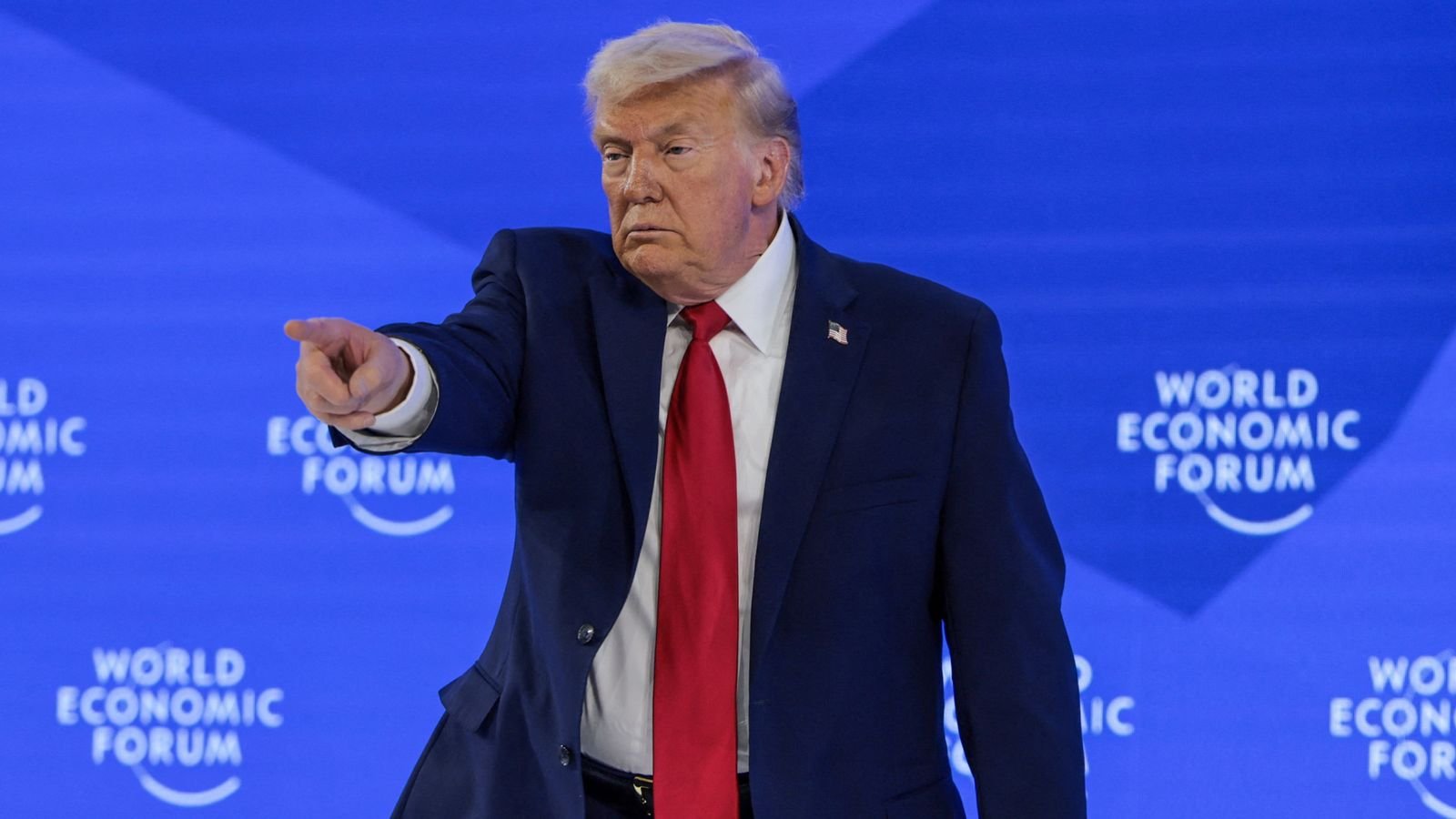
Trump Proposes Controversial ‘Board of Peace’
Former President Donald Trump has announced a new venture, the ‘Board of Peace’, aimed at overseeing global peace efforts, originally starting with a focus on Gaza. The initiative, however, raises concerns among various world leaders who fear it may weaken the role of the United Nations in international diplomacy.
Board of Peace: An Ambitious Initiative
Initially intended as a limited group tasked with monitoring a ceasefire in Gaza, the Board of Peace has expanded to include invitations to approximately 60 countries, each required to contribute a billion dollars for permanent membership. Trump is set to serve as the board’s inaugural chairman, a role he would hold indefinitely under the proposed guidelines.
The formation of this board comes in the wake of U.S. military actions in Venezuela and Trump’s contentious remarks regarding Greenland and Iran, signalling a possible shift in U.S. foreign policy.
What Is the Board of Peace?
The concept for the Board of Peace was first introduced by Trump in September, with the aim of finding resolutions to ongoing global conflicts. The board’s remit is anticipated to extend beyond Gaza, promoting international peace initiatives worldwide.
Under the proposed governance structure, Trump would enjoy extensive executive powers, including the ability to veto decisions and remove members, subject to limitations outlined in its charter. Prominent figures, including former UK Prime Minister Tony Blair and members of Trump’s inner circle, have been selected for its founding executive board.
Challenges Ahead
Despite interest from many nations, ambiguous aspects of the Board of Peace’s authority and operational framework have led to hesitancy from other countries. Critics have questioned the invitation extended to leaders from countries such as Russia, viewed by some as authoritarian regimes.
The Role in Gaza
The initiative was initially framed as a means to secure peace in Gaza, which has recently seen a fragile ceasefire. The United Nations Security Council has granted the board a mandate to oversee peacekeeping efforts, including the deployment of a temporary International Stabilisation Force.
The Trump administration has already moved forward, announcing the commencement of phase two of the Gaza peace initiative, focusing on demilitarisation and reconstruction efforts in the region.
International Responses
As of now, around 35 nations have accepted invitations to join the board, with prominent Middle Eastern allies like Israel and Egypt onboard. However, nations such as France and Sweden have declined, citing concerns over the board’s leadership and implications for existing international norms.
In the UK, there is trepidation regarding the board’s potential to undermine traditional diplomatic frameworks, especially with Russia’s involvement. Concerns have been voiced by UK officials, including Foreign Secretary Yvette Cooper, regarding the board’s implications for established governance structures.
The United Nations: A Concerned Observer
World leaders have expressed hesitation about endorsing an initiative that may overshadow the United Nations. Trump’s view is that the UN has failed to perform effectively, stating that it requires reformation yet still has significant potential. This sets the stage for a complicated relationship between the proposed board and existing global institutions.
Background
The Board of Peace comes amid ongoing conflicts and a shifting geopolitical landscape, particularly in the context of relations between the U.S. and other nations. The implications of such a board, including its potential to alter traditional diplomatic practices, warrant close attention as it unfolds.
Source: Original Article






