






















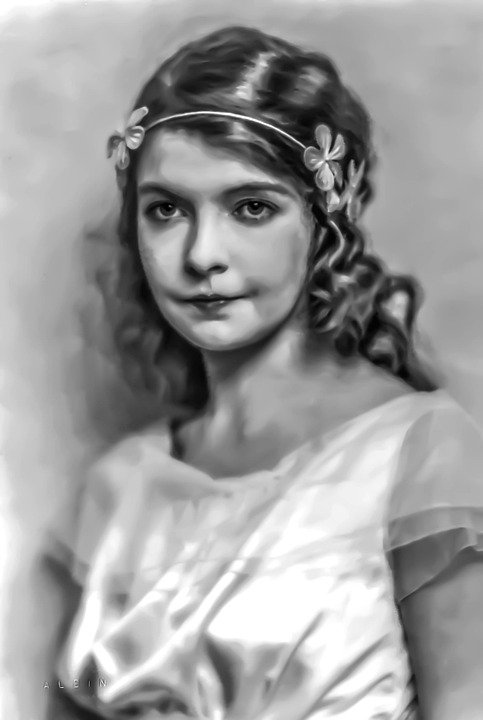
The Silent Film Era: A Pivotal Moment in Acting
The silent film era, spanning from the late 19th century to the late 1920s, marked a transformative period in cinema. With no synchronized sound, actors relied heavily on physical performance to convey emotion, plot, and character development. This era laid the foundational techniques that continue to influence acting today.
Physicality in Performance
Actors during the silent film era perfected the art of expressive acting through exaggerated gestures, facial expressions, and body language. Notable figures such as Charlie Chaplin, Buster Keaton, and Mary Pickford became icons, using their physical presence to create memorable characters without spoken dialogue.
Influential Techniques Developed
- Exaggeration: To communicate nuanced feelings, actors learned to amplify their expressions, making their performances easily readable for audiences. This technique can still be seen in contemporary physical comedians and performers.
- Gesture Language: Silent film actors developed a unique vocabulary of gestures that transcended language barriers. Many modern performances incorporate similar non-verbal cues to enhance storytelling.
- Timing and Tempo: The silent era emphasized the rhythm of performance. Actors like Keaton were masters at timing, demonstrating that comedy and dramatic tension often hinge on precise movements.
The Transition to Sound
The introduction of synchronized sound in the late 1920s with films like “The Jazz Singer” shifted the industry but did not diminish the relevance of silent techniques. Instead, many silent film stars successfully transitioned into sound films, proving that their foundational skills were applicable in a new context.
Legacy of Silent Film Techniques
Even in contemporary film and theater, the legacy of the silent film era is profoundly felt. Modern directors and actors draw upon these expressive techniques to add depth to performances. The emphasis on physicality and facial expressions remains vital, particularly in genres where non-verbal communication is paramount, such as animation and physical theatre.
Continued Relevance in Cinema
Directors and choreographers often pay homage to silent film styles, recognizing their power in storytelling. Films such as “The Artist” (2011) and the works of visionary directors like Guillermo del Toro highlight the importance of visual storytelling rooted in the silent film tradition.
Conclusion
The silent film era was more than just a transitional phase in cinema; it forged techniques that are still extensively used in acting today. The discipline of expressive acting learned in silence continues to resonate, echoing through generations of performers and shaping the language of film and theatre.






