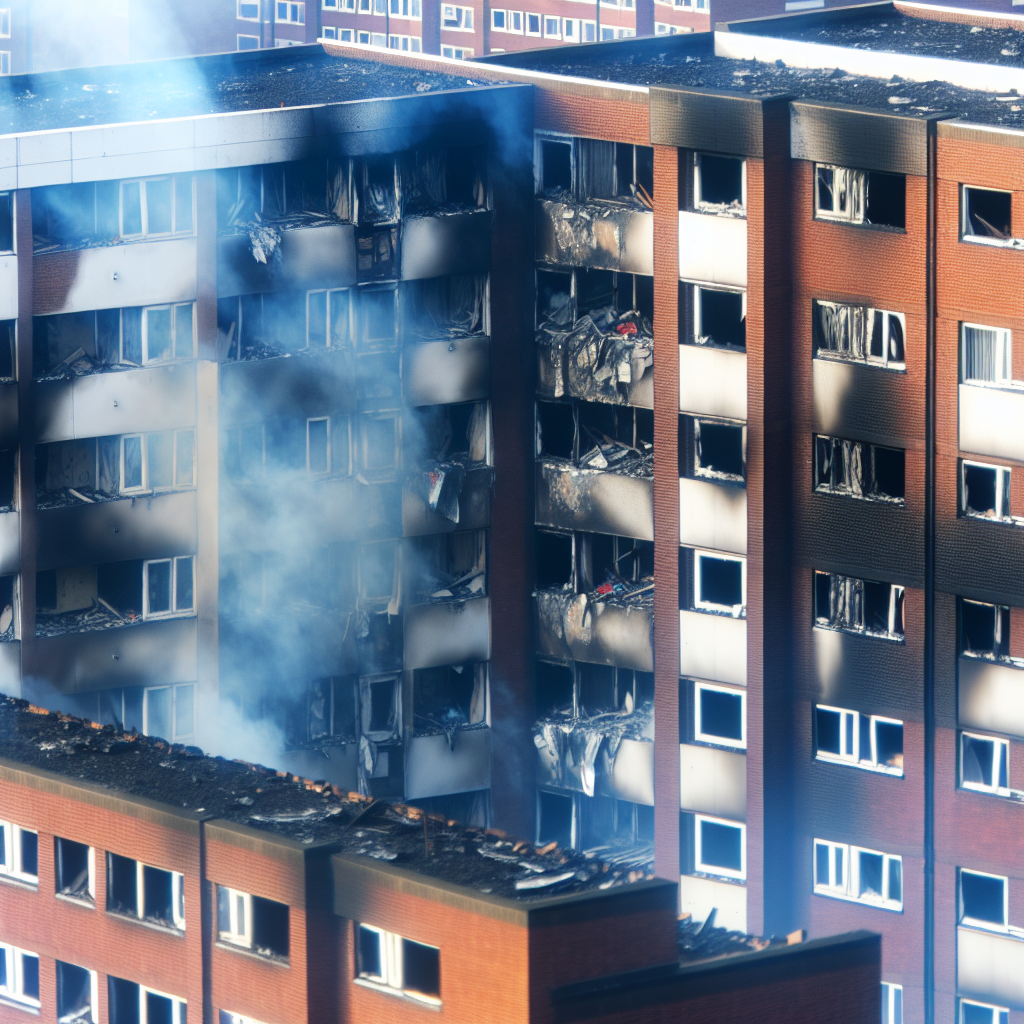
Tragedy Strikes in Hong Kong High-Rise Fire
A devastating fire at a residential complex in Hong Kong has claimed at least 44 lives, with authorities reporting an additional 279 individuals still unaccounted for. The blaze, which broke out in the Wang Fuk Court housing complex in Tai Po, has left 45 people in critical condition and compelled the evacuation of around 900 residents to temporary shelters.
Details of the Incident
The fire erupted at approximately 2:51 PM local time and rapidly spread along the bamboo scaffolding surrounding the building, fueled by high winds. This tragic event has been identified as the deadliest fire in Hong Kong in years, prompting Hong Kong’s leader, John Lee, to declare it a major emergency.
Casualties and Arrests
The fatalities include one firefighter, and several others sustained injuries while battling the flames. In a significant development, three men have been detained on suspicion of manslaughter, as investigations into the cause of the fire continue.
Challenges in Rescue Operations
Fire officials faced overwhelming challenges, including high temperatures that hampered rescue efforts. Although reports suggest that the fire was brought under control shortly after midnight, smoke and flames continued to emerge from multiple windows as night fell, complicating the rescue operations further.
Government Response
In response to the tragedy, Chinese President Xi Jinping extended his condolences to the victims’ families and urged a concerted effort to mitigate casualties and losses. The UK’s Foreign Secretary, Yvette Cooper, expressed deep sorrow over the incident, offering heartfelt condolences to those affected.
Background
Wang Fuk Court, a complex built in the 1980s, comprises eight blocks housing nearly 2,000 apartments for around 4,800 residents, with a significant number of elderly individuals among them. The site has recently been undergoing extensive renovations. The use of bamboo scaffolding in construction has raised safety concerns; the Hong Kong government announced plans earlier this year to phase out such materials for public projects due to these risks.
This tragic event marks the deadliest fire in Hong Kong since a 1996 incident in Kowloon, which resulted in the deaths of 41 people and led to sweeping changes in building regulations and fire safety standards throughout the region.
As authorities work through the aftermath, the impact of this disaster resonates deeply both within Hong Kong and beyond, prompting renewed discussions on fire safety measures and urban regulation.