Desire for Home Trumps Safety as Gazans Return Amid Ongoing Conflict
A group of families has embarked on the perilous journey back to Gaza, driven by a profound yearning for home despite ongoing dangers. These individuals, among the first to cross the Rafah border since its reopening, demonstrate the emotional strength of those longing for familiarity amid destruction and chaos.
Returning to Ruins
Leaving the safety of Egypt, the returning residents have faced the grim realities of rebuilding their lives in a shattered homeland. They return not to the comforting embrace of a stable environment, but to a landscape marred by bombings, collapsed structures, and a scarcity of basic needs such as clean water and adequate medical care. The emotional ties that bind them to their homeland compel them to confront these challenges head-on.
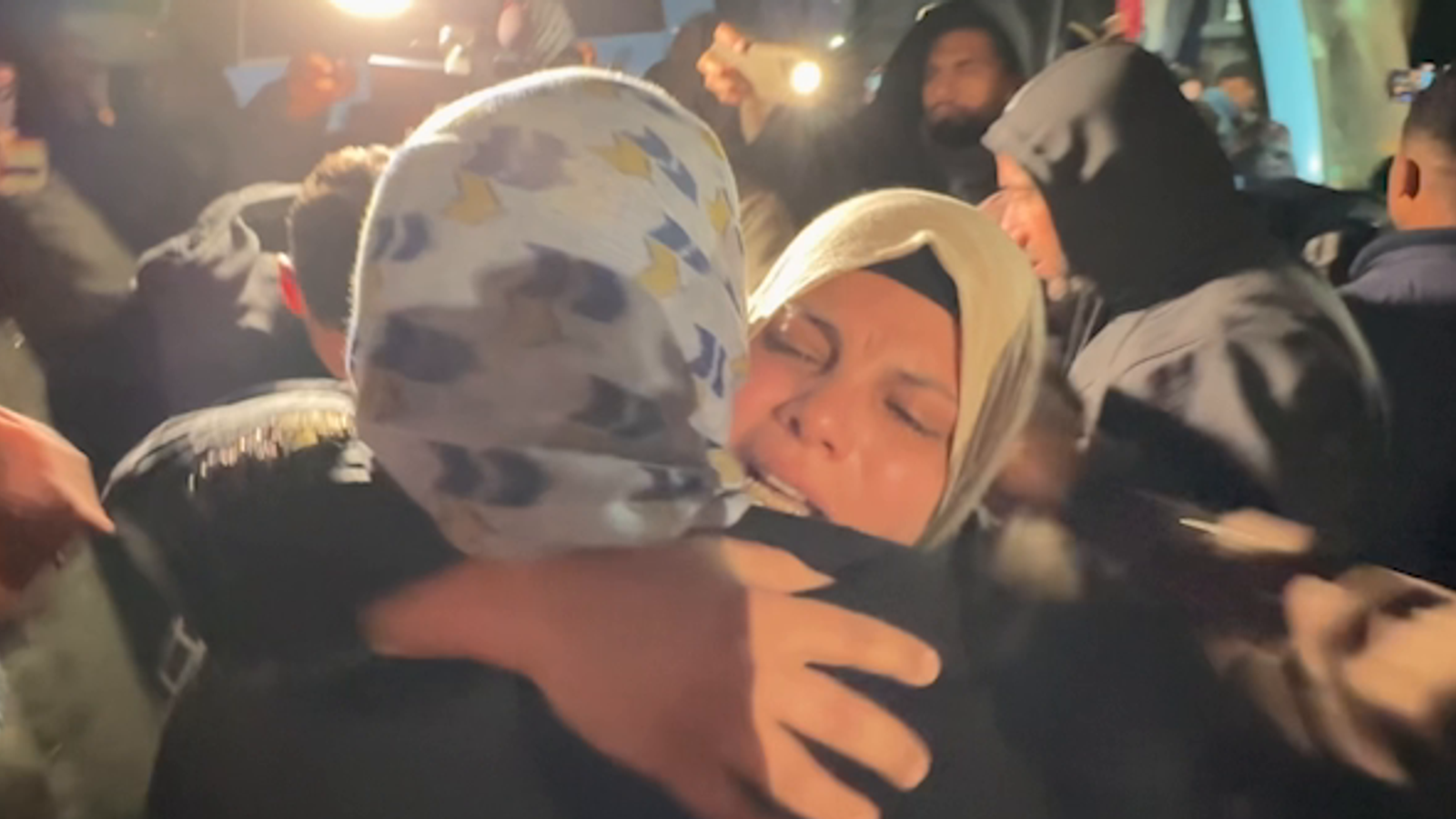
Over 40,000 individuals fled the Strip during the recent conflict, making the return of these families significant as they are among the first to make the journey back. Despite the absence of foreign journalists in the region, local reporters have documented the emotional reunions and shared their experiences of joy and relief as people reconnect with loved ones.
Voices of Hope Amid Despair
Individuals like Kariza Bahloul, who recently returned, expressed the overwhelming joy of reuniting with family members after years apart. Expressing her happiness, she articulated a deep-seated attachment to her homeland, stating, “I thank God that I have come back to Gaza. I smelled its scent and its air from far away.”
Similarly, Amati Othman Omran, who had also been away, articulated that simply being back in Gaza, even under less than ideal conditions, felt better than living in comfort elsewhere. “If I sit under a tree, it is better than being away from home,” she proclaimed, reflecting a sense of loyalty and optimism that resonates deeply within many returnees.
Challenges of Homecoming
Yet, the journey back is fraught with challenges. For those like Huda Abu Abed, the devastation is palpable. Having left Gaza during a ceasefire after losing her son, she remarked on the contrasts between the past and the present: “Everything was not destroyed, as it is now.” Despite the grim realities, her statement underscores the strong emotional pull that home exerts, regardless of the circumstances.
Even as families reunite, violence continues to cast a shadow over Gaza. In a tragic reminder of the ongoing conflict, airstrikes just hours after these reunions resulted in over 20 casualties, including a paramedic. The Israeli Defence Forces indicated that their operations targeted key individuals associated with the conflict, yet also expressed regret for civilian harm, a rare acknowledgement that reflects the complexities on the ground.
Background
The Rafah border crossing, a crucial point of entry and exit for Gazans, has been a focal point during the conflict. Its reopening has drawn significant attention as the humanitarian situation within Gaza has steadily deteriorated. Previous attempts to broker peace and provide aid have faced numerous challenges, leading to ongoing suffering for civilians caught in the crossfire.
As the world watches, the stories of these returnees highlight not only their individual journeys but also the broader implications of war, displacement, and the unyielding desire to return home. Despite the risks, many will continue to prioritize their emotional ties to Gaza over their safety, a testament to the resilience of the human spirit. The uncertainty persists, with many Gazans caught between the desire to return home and the harsh realities that await them.
Source: Original Article