






















UK Emphasises Importance of International Law Amid US Actions in Venezuela
The United Kingdom has voiced its commitment to upholding international law in light of recent military actions taken by the United States in Venezuela, according to Foreign Secretary Yvette Cooper’s comments made in the House of Commons this week. While she stopped short of declaring that the U.S. had violated international law, she underlined the need to avert further instability in the South American nation.
Military Actions and Diplomatic Efforts
In the early hours of Saturday, the U.S. conducted airstrikes in Venezuela, resulting in the capture of President Nicolas Maduro and his wife, Cilia Flores. Both were subsequently transported to New York, where they face serious allegations including drug trafficking and arms-related crimes.
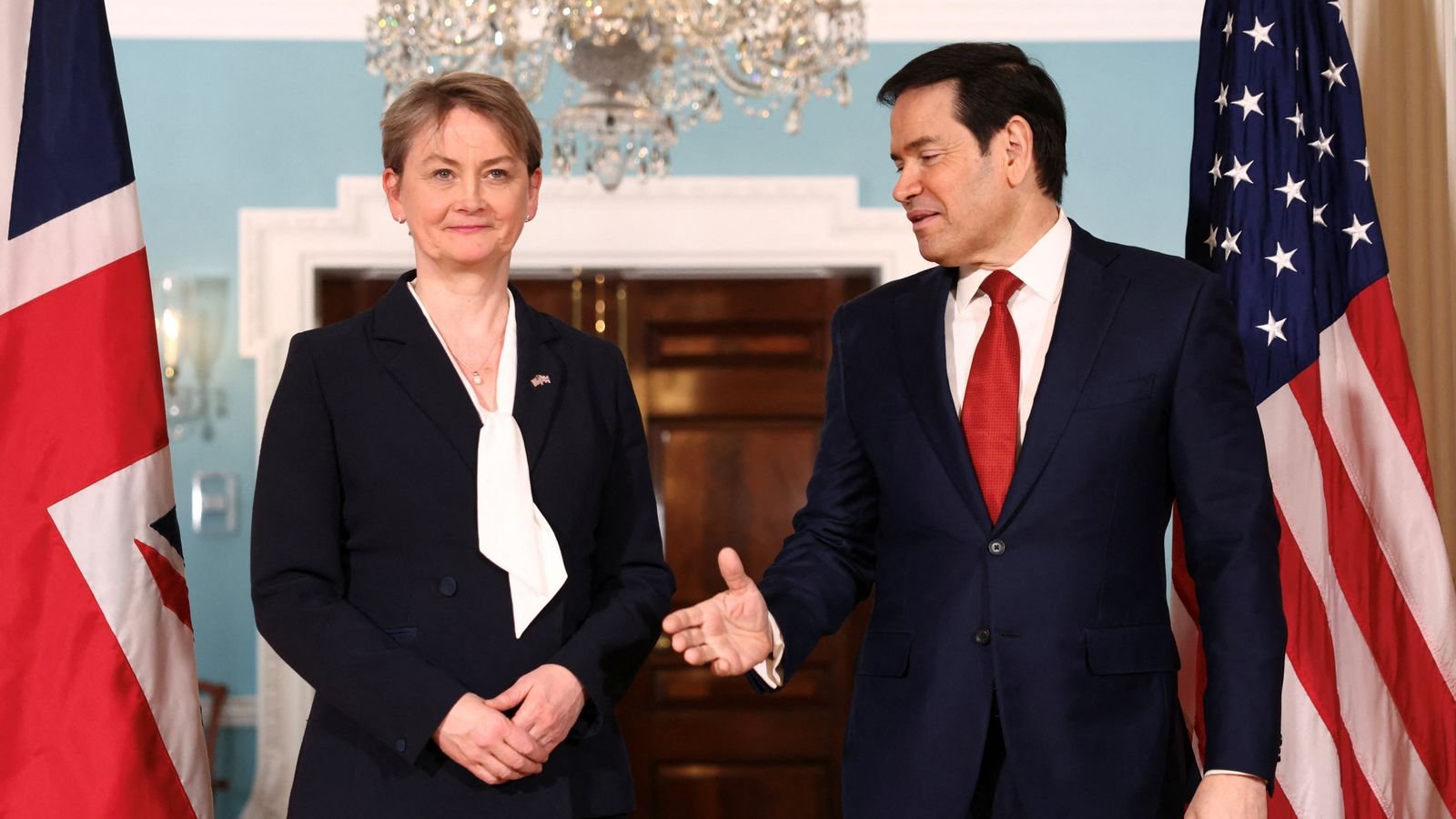
During her address to Parliament, Ms. Cooper mentioned her conversations with U.S. Secretary of State Marco Rubio, stressing that she raised the significance of adhering to international laws and plans for continued dialogue with international partners. She acknowledged that it was ultimately the responsibility of the U.S. to justify its military actions.
A Focus on Stability
Ms. Cooper remarked on the critical need for collective efforts aimed at preventing Venezuela from descending further into chaos, highlighting that the situation could have severe repercussions not just for Venezuelans but also for the UK’s overseas territories and regional allies.
She expressed concern over Maduro’s history of alleged crimes against humanity and his authoritarian governance, emphasizing that he should not be in a leadership position in a country facing such challenges. The foreign secretary lamented the ongoing repression and violence, which she believes stifles democratic processes in Venezuela.
Coping with Political Repression
As part of her remarks, Ms. Cooper pointed out that many opposition figures had been forced out of Venezuela, describing the Maduro regime as one that maintains power through intimidation and coercion rather than public consent. She echoed the sentiment expressed by Prime Minister, stating that the UK will not regret the end of Maduro’s rule.
Disparate Views on Leadership
In contrast to Cooper’s statements, former Labour leader Jeremy Corbyn has contended that Maduro remains the constitutionally legitimate leader of Venezuela. He acknowledged widespread concerns about electoral integrity in recent years but insisted there are factions in Venezuela that still support Maduro’s presidency.
When pressed about human rights abuses under the Maduro administration, Corbyn noted his discomfort over the allegations but maintained that the legitimacy of governmental leadership is not for external nations to determine.
Support for Opposition Figures
The UK’s foreign policy appears to be aligning more closely with opposition leader Maria Corina Machado, known for her advocacy of democracy and human rights. While the U.S. has been less supportive of her leadership potential, acknowledging challenges to her legitimacy, the UK has praised her resolve and intentions for a democratic Venezuela. Machado recently garnered international recognition, winning the Nobel Peace Prize for her contributions to her country’s struggle.
Background
This escalation of tensions and military involvement comes against a backdrop of long-standing instability in Venezuela, where economic crises and civil unrest have prompted calls for significant political change. The international community remains divided on how best to address the ongoing situation, complicating humanitarian efforts and diplomatic relations.
Source: Original Article






