






















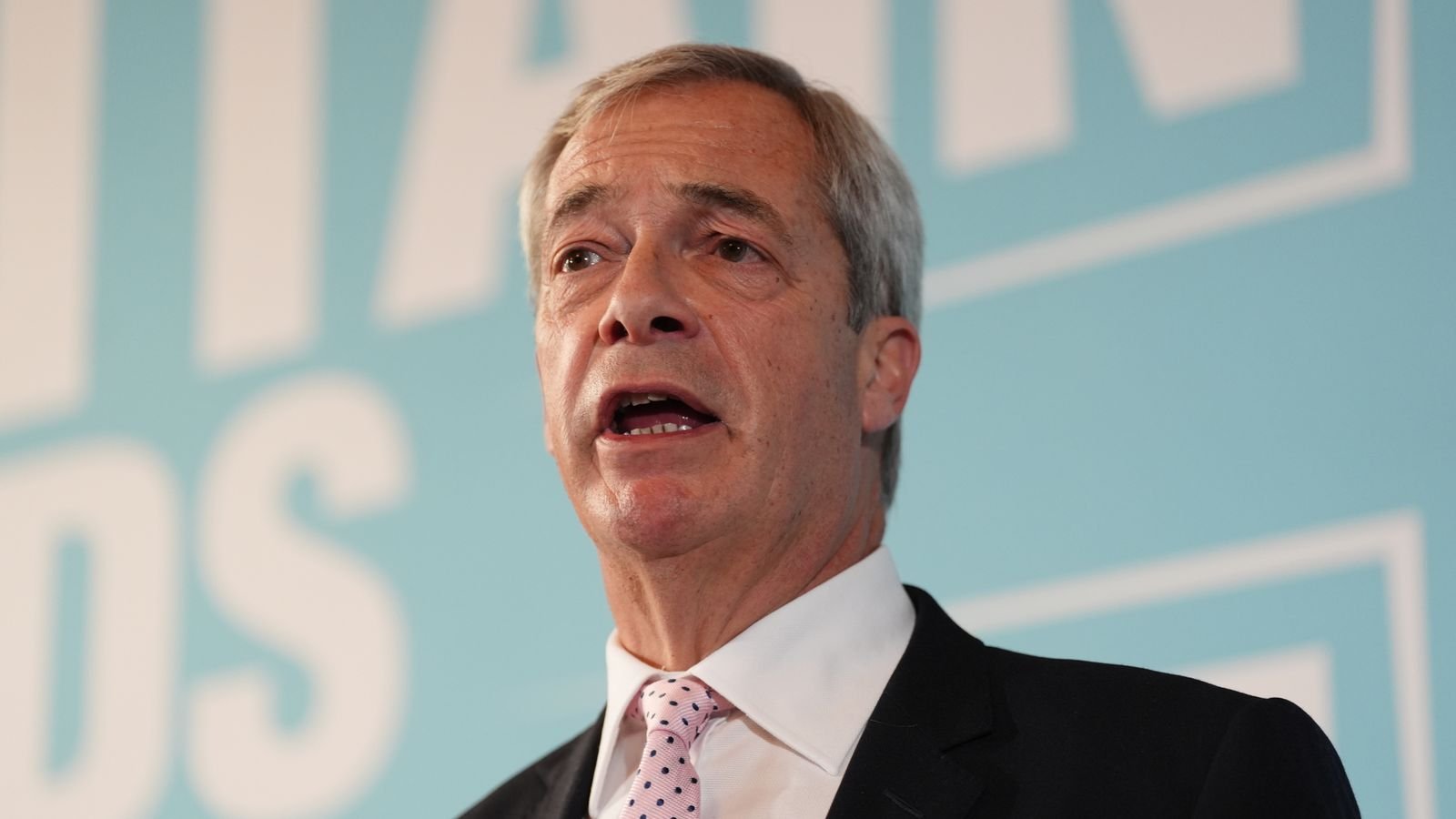
Allegations Surface Against Nigel Farage from Dulwich College Days
Dulwich College has publicly addressed allegations involving Nigel Farage, asserting that claims of his racially charged conduct as a student are “profoundly distressing” and inconsistent with the institution’s current values. The controversy stems from accusations voiced by a former pupil, who alleges that Farage engaged in antisemitic behaviour while at the school in the 1970s.
School’s Response
In a statement, current master Robert Milne expressed the college’s stance, stating that the behaviours described are completely at odds with the Dulwich College of today. This marks the first official response from the school regarding these longstanding accusations.
Jean-Pierre Lihou, a former student who has come forward, claims that Farage sang songs deemed antisemitic and harboured negative sentiments towards individuals with the surname Patel during their time together. In his letter to Lihou, Milne reinforced the college’s commitment to uphold its standards and values.
Farage’s Denial and Response
In light of the allegations, Farage has refuted the claims, stating he has “never directly racially abused anybody” at the institution and suggesting that there is a political motive behind the resurfacing of these allegations nearly five decades later. He expressed surprise at the comments from the Dulwich master, noting that he had not previously communicated with Milne.
Support and Accusations from Reform UK
Reform UK’s deputy leader, Richard Tice, has denounced Lihou’s statements, labelling him a liar. In a defensive statement, a spokesperson from Reform UK characterised the allegations as a smear campaign aimed at undermining both Farage and the party, dismissing them as desperate attempts by opponents to distract from substantive policy discussions.
Background
The allegations come at a time of heightened scrutiny towards public figures in relation to their past conduct, reflecting broader societal discussions about racism and accountability. Dulwich College, a prestigious institution, has historically been a breeding ground for influential British figures, making these claims particularly significant. The school emphasised that it refrained from commenting sooner to protect its reputation while upholding its values.
As this situation develops, it raises questions about the impacts of past behaviours on public perceptions and the accountability of long-standing figures in the political landscape.
Source: Original Article






