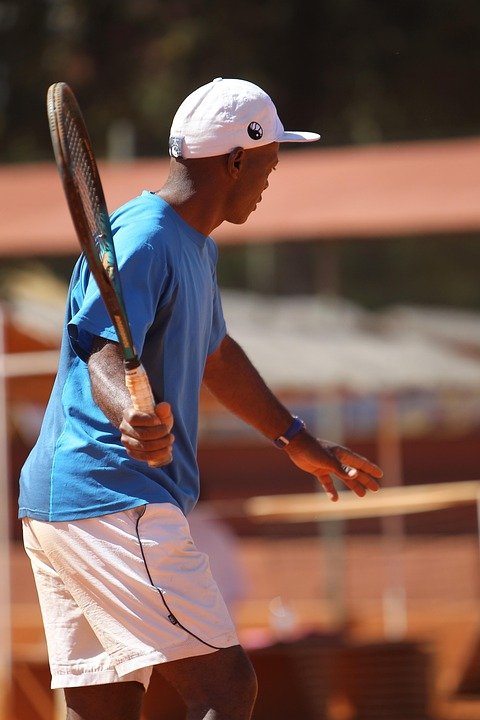
Tennis is a sport rich in history, marked by significant developments in the type of surfaces on which it is played. The transition from grass to clay surfaces reflects not only changes in playing styles and strategies but also advances in sports science and athlete training. Understanding the evolution of tennis surfaces can provide valuable insights into the sport’s culture, techniques, and competitive dynamics.
The Historical Beginnings: Grass Courts
The history of tennis surfaces dates back to the late 19th century, when the sport first gained popularity. Initially, tennis was played exclusively on grass courts, which were prevalent in England. This choice of surface was driven by several factors:
- Accessibility: Grass was widely available, and many early tennis clubs were formed on existing lawns.
- Influence of Croquet: Tennis evolved from court games like croquet, which utilized grass surfaces.
- Playing Style: The fast-paced nature of grass courts favored serve-and-volley techniques, benefiting players who could rapidly approach the net.
The Shift to Clay Courts
In contrast to grass, clay surfaces began to rise in popularity in the early 20th century. This change was motivated by various factors:
- Consistency: Clay courts provided a more consistent playing surface than grass, reducing the impact of weather-related changes.
- Player Health: The softer surface of clay is generally easier on the joints, helping to reduce injuries.
- Strategic Depth: Clay allowed for longer rallies and strategic play, emphasizing baseline techniques and endurance over pure speed.
Surface Characteristics and Their Impact on Play
Each surface type brings distinct characteristics that affect gameplay:
- Grass: Known for its fast pace and low bounce, grass courts favor players who excel in quick serves and net play.
- Clay: Characterized by slower speeds and higher bounces, clay surfaces benefit players with strong baseline games and tactical shot placement.
Modern Developments in Tennis Surfaces
While grass and clay remain the traditional staples of tennis, other surfaces have emerged, notably hard courts. Hard courts, made from synthetic materials, combine features of both grass and clay:
- Versatility: Hard courts offer a balance of speed and control, making them adaptable to various playing styles.
- Maintenance: They are easier to maintain compared to grass surfaces, which require regular care.
Conclusion
The historical development of tennis surfaces highlights the sport’s evolution and the ways in which external factors influence competition. From the quick play of grass to the strategic challenges of clay, these surfaces shape not only the game but also the athletes’ training methodologies and techniques. Understanding these developments enhances appreciation for the sport and its enduring legacy.