






















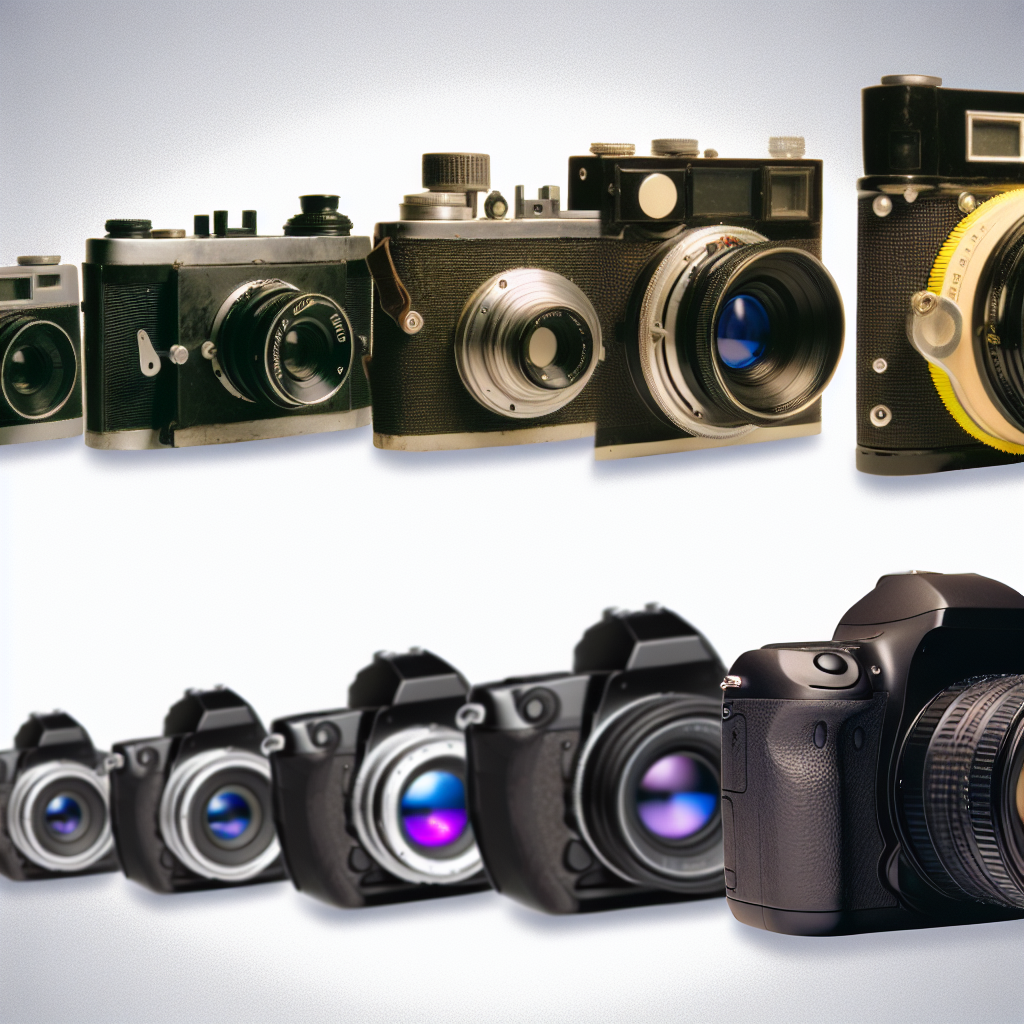
The Birth of Motion Picture: Lumière and the Early Days
The journey of film cameras began in the late 19th century with the Lumière brothers, Auguste and Louis. In 1895, they patented the Cinématographe, a groundbreaking device that combined the functions of a camera, projector, and developer. This invention marked the dawn of film as an artistic medium.
The Lumières’ first public screening included short films such as “La Sortie de l’Usine Lumière” and “L’Arroseur Arrosé,” which showcased the potential of moving images. These early films were shot on flexible film stock, paving the way for future developments in cinematography.
Silent Era and the Rise of 35mm Film
The 1910s and 1920s witnessed significant advancements in film technology. The introduction of 35mm film became the industry standard, enhancing the quality and resolution of motion pictures. Notably, the advent of the Hollywood studio system during this era led to the creation of iconic films and legendary figures.
- D.W. Griffith: Known for “The Birth of a Nation” and “Intolerance,” Griffith utilized innovative editing techniques that would influence filmmakers for generations.
- Charlie Chaplin: As both an actor and director, Chaplin’s use of visual comedy showcased how film could transcend language.
The Transition to Sound: 1927 and Beyond
The late 1920s brought about one of the most significant transitions in cinema: the introduction of synchronized sound. The release of “The Jazz Singer” in 1927 pioneered this technique, marking the decline of the silent film era. This transition required cameras to adapt, leading to the creation of more specialized sound recording equipment, further enriching the storytelling capacity of films.
Color Film and Technicolor’s Impact
With the evolution of film technology, the introduction of color in cinema transformed the aesthetic experience of film. Although early experiments in color film existed, it wasn’t until the 1930s that Technicolor gained prominence. Films such as “The Wizard of Oz” and “Gone with the Wind” utilized this technology to captivate audiences and enrich narrative depth.
- Orson Welles: His film “Citizen Kane” (1941) skillfully employed both black and white and color techniques, exemplifying the artistic potential of film.
The Rise of Independent Production and New Technologies
The 1960s and 1970s marked a revolution in filmmaking, as independent cinema emerged, challenging the norms of Hollywood. Directors like Francis Ford Coppola and Martin Scorsese utilized lighter cameras and advanced filming techniques to create personal, impactful narratives. The introduction of lightweight cameras allowed for on-location shooting, giving films a more authentic and immersive quality.
Digital Revolution: The Shift in Cinematic Language
The late 20th and early 21st centuries heralded the digital revolution, fundamentally changing how films were shot, edited, and exhibited. Digital cinema brought with it numerous advantages, including lower costs and faster turnaround times. Notable films such as “Star Wars: Episode II – Attack of the Clones” (2002) showcased the feasibility of digital technology in mainstream cinema.
Digital cameras, such as the RED One and ARRI Alexa, began to dominate production sets, allowing filmmakers to explore new visual possibilities. These advancements contributed to the creation of visually stunning works, including “The Social Network” and “Gravity.”
The Future of Film Cameras: Hybrid Technologies
Today, the line between film and digital continues to blur. Hybrid technologies are being developed that merge the aesthetics of film with the practicality of digital. While traditional film cameras still hold a revered place in the hearts of cinephiles and purists, filmmakers increasingly adopt digital tools to create films that resonate with contemporary audiences.
Conclusion
The evolution of film cameras from their inception to the digital age exemplifies the relentless pursuit of innovation in cinema. Each technological advancement has not only transformed the craft of filmmaking but has also profoundly affected how stories are told and experienced. As we move forward, one can only speculate on how the next chapter of this story will unfold, but one thing remains clear: the art of filmmaking will continue to evolve, captivating audiences across generations.






