Introduction
The Olympic Games have a rich history that spans over two millennia, evolving from ancient traditions to a global phenomenon. This article explores the development of the Olympic Games, focusing on their historical progression, the influence of sports science, and the enduring principles that have shaped athletic competition.
The Origins of the Olympic Games
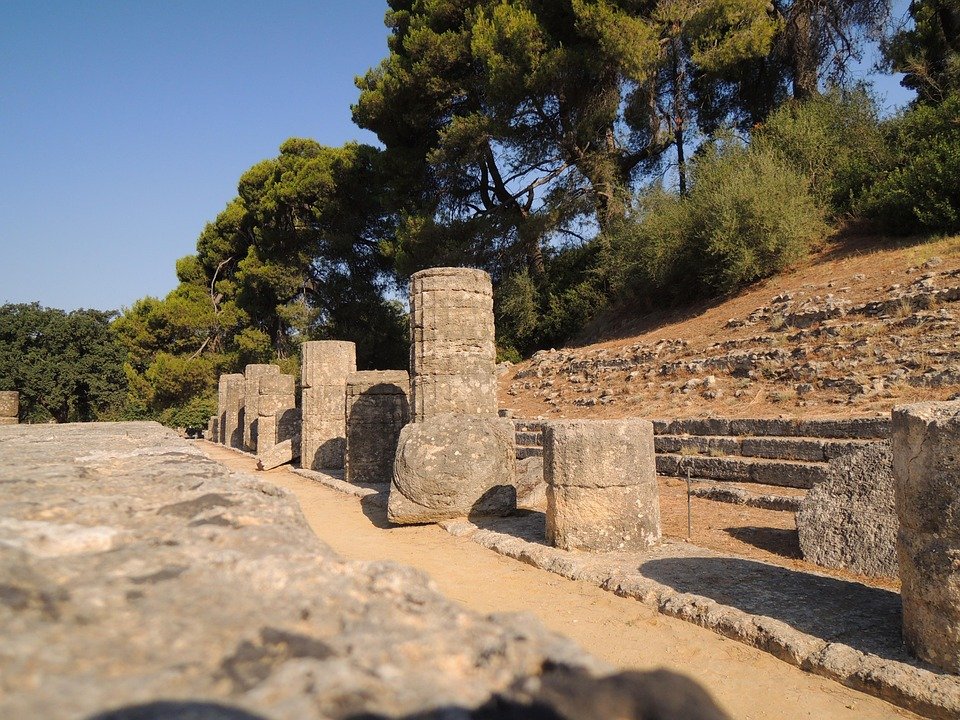
The first recorded Olympic Games took place in 776 BC in Olympia, Greece, as a religious festival honoring Zeus. The games featured a limited number of events, primarily foot races, which were simple and straightforward. The primary ethos was not only athletic competition but also celebration and reverence for the gods.
The Evolution Through Centuries
Over the centuries, the Olympic Games evolved significantly:
-
Ancient Olympic Games (776 BC – 393 AD)
Initially, the games consisted of short-distance foot races, eventually expanding to include wrestling, boxing, and the pentathlon, which combined five events.
-
The Roman Era (393 – 1453)
The decline of the games coincided with the rise of the Roman Empire, which emphasized gladiatorial contests and spectacles over traditional athletic competition.
-
The Modern Revival (1896 – Present)
Baron Pierre de Coubertin is credited with reviving the Olympic Games in 1896, establishing the modern format that includes a wide array of sports and a structured international committee.
Sports Science and Training Innovations
As the Olympic Games progressed into the 20th and 21st centuries, the role of sports science became increasingly significant. Advances in training methodologies, nutrition, and psychology played critical roles in enhancing athletic performance:
-
Training Techniques
Modern training methods emphasize periodization, strength training, and sport-specific conditioning to optimize athlete performance. Techniques developed by renowned coaches have shaped the routines of countless athletes.
-
Nutrition
Understanding macronutrients and hydration strategies has transformed athletes’ diets, improving recovery times and overall performance capabilities.
-
Psychological Training
Mental conditioning and visualization techniques are increasingly recognized as essential components of an athlete’s preparation. Notable methods were popularized by coaches and psychologists to help athletes manage performance anxiety and stress.
Universal Principles of Athletic Endeavor
Despite the many changes over time, several principles remain central to the Olympic spirit:
-
Excellence
The pursuit of personal bests and excellence continues to drive athletes to extraordinary achievements.
-
Friendship
The Games serve as a platform for national unity and camaraderie, bringing together diverse cultures and fostering global connections.
-
Respect
Respect for opponents, officials, and the rules of the sport is a foundational ideal that underpins the integrity of the Olympic movement.
Conclusion
From its humble beginnings in ancient Greece to the global stage seen in cities like Tokyo, the Olympic Games represent not just athletic competition but also a celebration of human potential and cultural exchange. The evolution of the Games reflects broader changes in society, technology, and our understanding of sports science, reminding us of the enduring spirit of excellence that defines this storied tradition.