






















The Early Days: Silent Films and Their Promotional Strategies
Film promotions have undergone significant transformations since the inception of cinema. In the silent film era, which began in the late 19th century and lasted until the late 1920s, promotional strategies were fundamentally different from those we see today. Without synchronized sound, filmmakers relied on visual storytelling, intertitles, and live music accompaniment to engage audiences.
Pioneering filmmakers like D.W. Griffith utilized innovative techniques not only in cinema but also in promotion. The introduction of elaborately designed posters and the use of print media became vital components of advertising silent films. Theaters often employed usherettes to hand out flyers and create excitement among potential viewers.
The Golden Age of Hollywood: Sound and the Expansion of Marketing Tactics
The advent of synchronized sound in the late 1920s revolutionized the film industry and marketing. With films now able to feature dialogues, soundtracks, and sound effects, promotional strategies evolved to highlight these new features. This period saw the rise of Hollywood as a powerful global film hub.
- Tie-Ins and Merchandising: During this time, studios began exploring merchandise tied to their films, such as toys and clothing, creating a more extensive promotional landscape.
- Trailers: The use of trailers became a staple marketing tool, providing audiences with teases of upcoming films. They were designed to generate buzz and draw crowds to theaters.
- Star Power: The significance of celebrity endorsements and the promotion of actors became essential. Major stars like Clark Gable and Marilyn Monroe were often seen gracing magazine covers, enhancing the film’s allure.
The Rise of Independent Cinema and Niche Marketing
As the 1960s and 1970s ushered in the New Hollywood movement, independent filmmakers began to disrupt traditional marketing practices. With a focus on storytelling and character development over spectacle, independent films emerged, requiring unique promotional strategies.
- Grassroots Campaigns: Independent films often employed grassroots marketing techniques, such as festival screenings and community organization collaborations, to reach niche audiences.
- Film Festivals: Festivals like Sundance and Cannes became critical platforms for independent filmmakers, creating ways for films to gain recognition and attract distributors.
The Digital Era: New Platforms and Global Reach
The transition to digital in the late 20th and early 21st centuries brought about another sea change in film promotion. The rise of the internet and digital marketing tools revolutionized how films were promoted.
- Social Media: Platforms like Facebook, Twitter, and Instagram have become essential for film promotion, offering unprecedented access to potential viewers and allowing studios to engage directly with audiences.
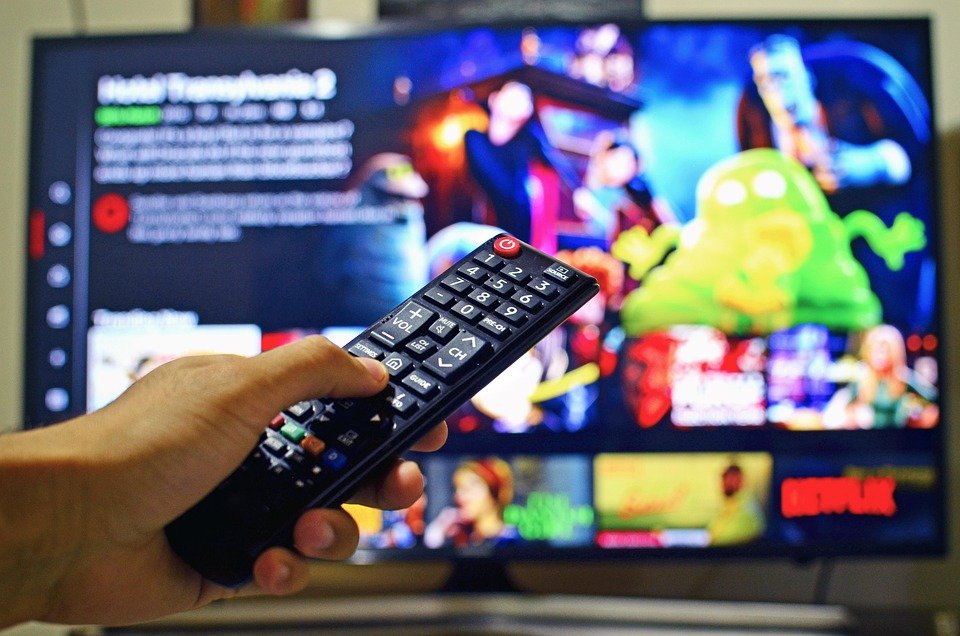
- Streaming Services: The emergence of streaming platforms like Netflix, Hulu, and Amazon Prime has changed the distribution model altogether. Promotional strategies now focus heavily on digital marketing and data analytics to target specific audience segments.
- Virtual Platforms for Releases: With the COVID-19 pandemic, traditional theatrical releases faced challenges, leading to a rise in virtual film premieres and online campaigns to maintain audience engagement.
Conclusion
The journey from silent films to the streaming era reflects not only the evolution of film content but also the innovative strategies employed to promote it. From early posters and trailers to sophisticated online campaigns, film promotion has continually adapted to technological advancements and changing audience preferences. As we look to the future, one thing remains certain: effective film promotion will continue to evolve, engaging audiences in new and imaginative ways.






