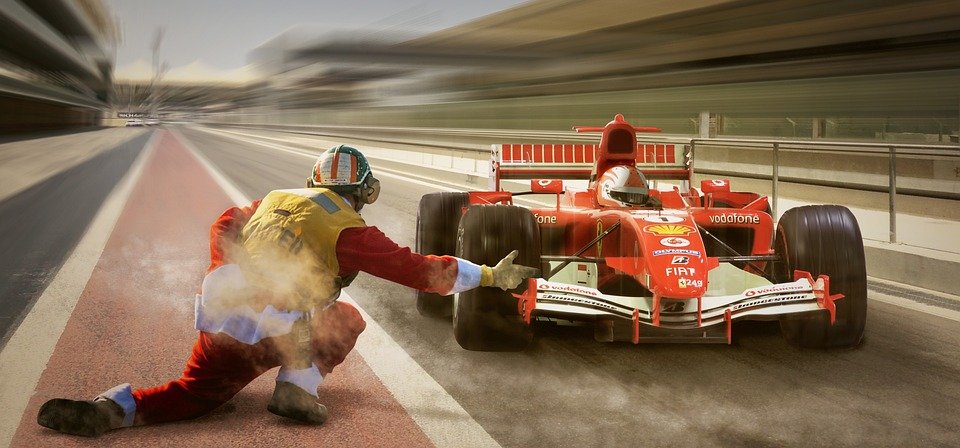
Introduction to Formula 1 Racing Regulations
Formula 1 (F1) racing is known for its high speeds, technical precision, and competitive spirit. However, behind the glamour and excitement, there exists a comprehensive framework of rules and regulations that ensure the safety and integrity of the sport. Over the years, these regulations have evolved significantly in response to both advancements in technology and the need for improved safety measures. This article explores the historical milestones in Formula 1 racing regulations, from speed enhancements to safety protocols.
Early Regulations and the Birth of Formula 1
The inaugural Formula 1 championship season occurred in 1950. At this time, regulations primarily focused on the technical specifications of the cars, including engine size, weight limits, and tire dimensions. The early regulations were quite lenient by today’s standards, permitting engineers and teams to explore various designs and technologies.
Key Historical Milestones
-
The Introduction of Safety Regulations (1960s)
During the 1960s, several tragic accidents highlighted the urgent need for improved safety protocols. The death of famed driver Jim Clark in 1968 prompted the F1 community to address safety concerns seriously. One of the first steps taken was the introduction of stricter crash test requirements, as well as the regulation of fuel tank design to reduce fire risks.
-
Establishment of the FIA (1970)
The Fédération Internationale de l’Automobile (FIA) took a more proactive role in overseeing regulations when it became the governing body of motor sports in 1970. This step signaled a turning point in formalizing safety standards and enforcement within the sport.
-
The 1980s and the Focus on Driver Safety
The 1980s marked a shift towards driver safety with innovations such as the introduction of the carbon-fiber monocoque chassis, which enhanced structural integrity. These designs provided better protection during crashes, ultimately leading to a decrease in fatalities.
-
The Imola Tragedy and a New Era of Safety (1994)
The tragic deaths of Ayrton Senna and Roland Ratzenberger during the 1994 San Marino Grand Prix led to a significant overhaul of safety regulations. The FIA introduced mandatory changes, including improved crash barriers, better cockpit protection, and the requirement for drivers to wear enhanced safety gear, such as the Hans device to prevent head and neck injuries.
-
Advanced Safety Features (2000s)
In the early 2000s, Formula 1 saw the integration of advanced technology into safety features. The introduction of systems such as the Safety Car and further enhancements in vehicle crash testing protocols ensured that speeds could be maintained while minimizing risks. The FIA established the “F1 Safety Panel” to continuously review and improve safety standards.
-
The Current Landscape (2010s to Present)
In recent years, the emphasis has been on improving the overall safety of both drivers and spectators. Innovations such as the Halo device, designed to protect drivers’ heads in the event of a crash, have been critical. Additionally, improved track designs and safety marshals have reinforced the commitment to safety within the sport.
Conclusion
From its inception, Formula 1 has undergone significant transformations driven by both technological advancements and a growing emphasis on safety. The historical milestones in F1 regulations reflect the sport’s ongoing commitment to innovation, competitiveness, and the well-being of those involved. As Formula 1 continues to evolve, the lessons learned from past experiences remain integral to shaping a safer future for all participants.