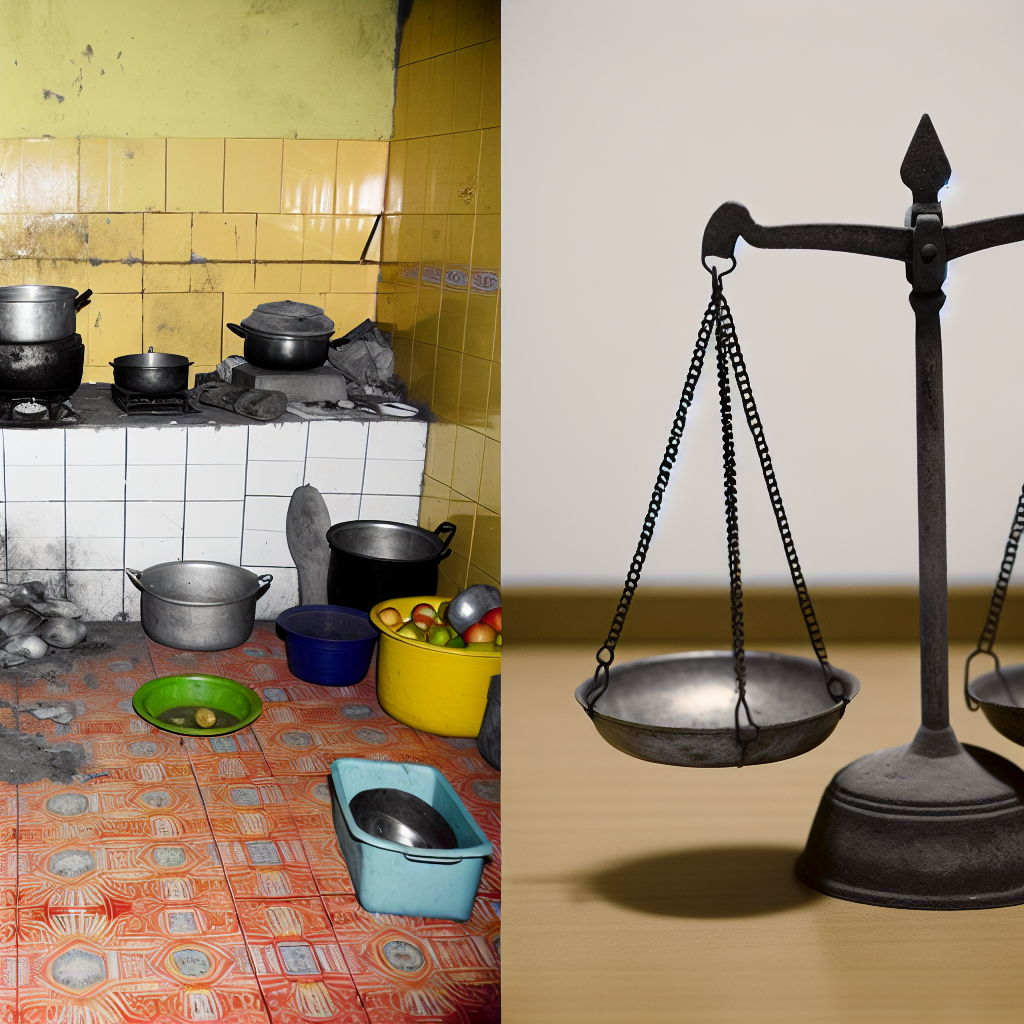
Community Kitchens in Gaza Providing Lifeline Amid Ongoing Crisis
In the wake of recent conflict, community kitchens in Gaza are playing a crucial role in feeding thousands. Ameican Near East Refugee Aid (Anera) has expanded its operations, now serving over 20,000 meals daily across various locations in the territory, significantly increasing its capacity to help those affected by the humanitarian crisis.
A Growing Need for Food Assistance
The ongoing challenges in Gaza have created a dire situation for its residents. Following a ceasefire six weeks ago, Anera opened its community kitchen in al-Zawayda, aiming to combat the food scarcity caused by Israel’s blockade. Currently, Anera manages more than 35 kitchens across the region, providing around 210,000 meals each day.
Sami Matar, a team leader at Anera, reported that their efforts have seen a marked increase in operations, moving from 15 cooking pots to over 120 in a single day. This expansion allows them to serve a greater number of families in need, rising from 900 families six months ago to more than 4,000 currently. Yet, the struggle for sufficient food supplies remains.
The Humanitarian Impact of Recent Conflicts
Since the onset of conflict in October 2023, food access has become increasingly restricted. A combination of blockades and wartime conditions has led to a lack of essential items, and the United Nations has acknowledged the existence of famine-like conditions in various areas, including Gaza City. The situation has led to a steady increase in the number of meals distributed through various humanitarian networks, which now total approximately 1.4 million daily.
The Menu: Limited but Heartfelt Options
The meals distributed often consist of simple yet heartfelt offerings, such as rice, pasta, and lentils, frequently complemented with available vegetables. However, Matar emphasized the need for a more diverse menu, particularly fresh vegetables and proteins, which remain in short supply due to restrictions on imports.
- Most meals served are vegetarian, averaging three types per week.
- Only once since the ceasefire has Anera included meat in a meal, which was sourced from canned goods.
Living Conditions in Refugee Camps
With the onset of cold weather, living conditions in Gaza’s refugee camps have worsened. Many families, like that of Aida Salha, are struggling to find adequate shelter and food. Aida, a mother of six, has been relying on community kitchens amid her family’s struggles following the destruction of their home during the conflict. She noted that while the violence had subsided, their situation remains precarious.
Despite recent improvements in food access, the price of basic goods in local markets has skyrocketed, and many families report only managing to consume one meal a day. Humanitarian agencies are pressing for Israel to open additional border crossings to improve supply lines, but bureaucratic hurdles complicate the efforts.
Conclusion: Hope Amid Ongoing Uncertainty
As humanitarian organizations work tirelessly to deliver aid, residents of Gaza remain hopeful yet anxious about the future. The recent ceasefire has brought relief, yet the path to recovery appears fraught with challenges. Community kitchens, like those operated by Anera, continue to be a beacon of support, striving to bring warmth and nourishment to families in need during these turbulent times.
Background
The humanitarian crisis in Gaza has deepened in recent years, exacerbated by a combination of conflict, blockades, and economic instability. The United Nations has reported high levels of food insecurity, with certainties about famine looming as the situation worsens. The international community has been urged to respond proactively to provide support and alleviate the suffering of those affected.