






















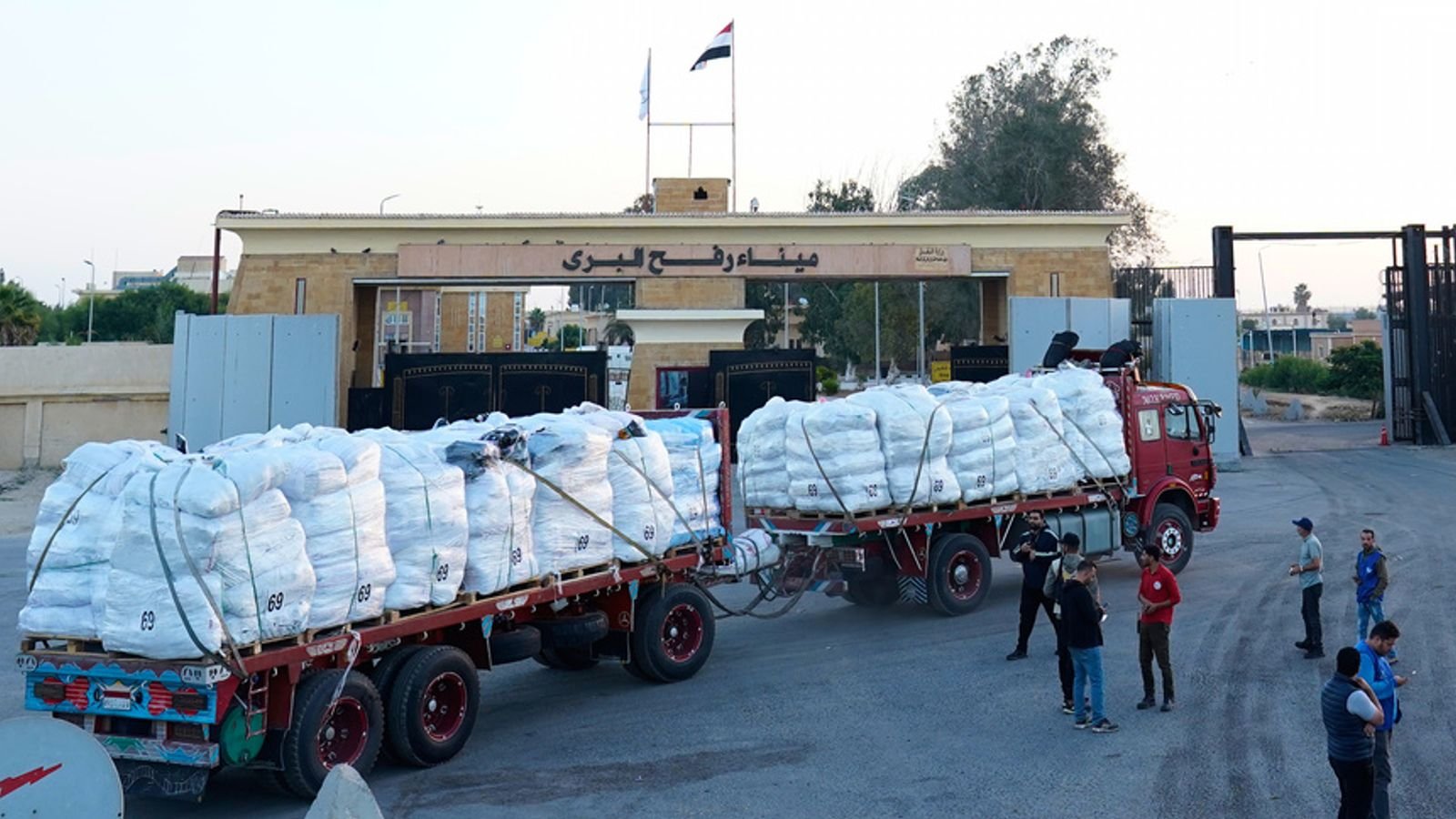
Rafah Crossing Reopens with Restrictions Amid Ongoing Gaza Conflict
The Rafah crossing between Gaza and Egypt has reopened, a notable but limited step towards allowing movement for those affected by the ongoing conflict. Starting this Sunday, only select individuals will be permitted to use the crossing, with stringent security measures in place.
Limited Access for Returnees
The reopening will primarily facilitate those who left Gaza during the recent war. Reports indicate that only about 150 individuals per day will be allowed to return to Gaza from Egypt. In contrast, Israel is expected to permit any citizen wishing to leave Gaza to do so, without imposing similar restrictions.
Individuals planning to use the crossing must first undergo an advance application process for security checks, which will be conducted by Israel’s Shin Bet security service. Once in Egypt, those leaving Gaza will also face screenings by Egyptian and European Union officials, with EU representatives monitoring the situation.
Complexity and Potential Friction
The process of crossing the border is expected to be intricate and potentially contentious. While Israeli personnel will not be stationed at the crossing, they will reportedly use facial recognition technology to monitor those exiting Gaza, flagging individuals deemed dangerous. Those returning from Egypt will encounter a palpable Israeli presence, undergoing additional checks before being allowed back into Gaza, a situation that is likely to prolong the crossing procedure.
Implications of the Reopening
This reopening comes in the wake of significant humanitarian concerns, as roughly 100,000 individuals have fled Gaza since the hostilities intensified. Since May 2024, the Gaza side of Rafah has been under Israeli military control, a situation that emerged from a broader peace initiative led by the United States.
For many who have been displaced, the dilemma of whether to return home looms large, especially given the extensive destruction in Gaza. Reports suggest that the area is now largely in ruins, with military divisions further complicating the situation. A substantial portion of the population is also in dire need of medical attention, and the reopening of the Rafah crossing is expected to facilitate the evacuation of up to 20,000 individuals requiring urgent treatment, as highlighted by the World Health Organisation.
Background
Total control of the Rafah crossing has been a contentious issue, intricately tied to the ongoing Israeli-Palestinian conflict. Its reopening signifies both a chance for humanitarian aid access and a reflection of the complex geopolitical landscape in the region. The evolving situation is key for international observers and humanitarian organizations, as they seek to address the urgent needs of those affected by the conflict.
Source: Original Article






