Serious Police Failings Defined in Hillsborough Report
A recent report from the Independent Office for Police Conduct (IOPC) highlights severe shortcomings by South Yorkshire Police during and after the Hillsborough disaster. Characterised by “deep complacency” and a “concerted effort” to shift blame onto supporters, the findings follow a 13-year independent investigation into alleged police misconduct.
Key Findings of the Report
The report identifies 12 officers, including the former chief constable of South Yorkshire Police, who would have faced charges for gross misconduct had they not left the service. A further officer is also implicated, raising questions about accountability for those involved.
IOPC deputy director general, Kathie Cashell, labelled the suffering of the victims’ families as “a source of national shame.” According to her, the 97 victims were unlawfully killed, and the families have faced repeated failures from the police at various stages.
Failures Before, During, and After the Disaster
Notably, the investigation determined that the police failed significantly in their match planning, their response to the unfolding crisis, and in their treatment of grief-stricken families searching for lost loved ones. The report reaffirms that initial claims attributing responsibility to late and intoxicated supporters have been thoroughly disproven.
The Hillsborough Disaster: A Grim Overview
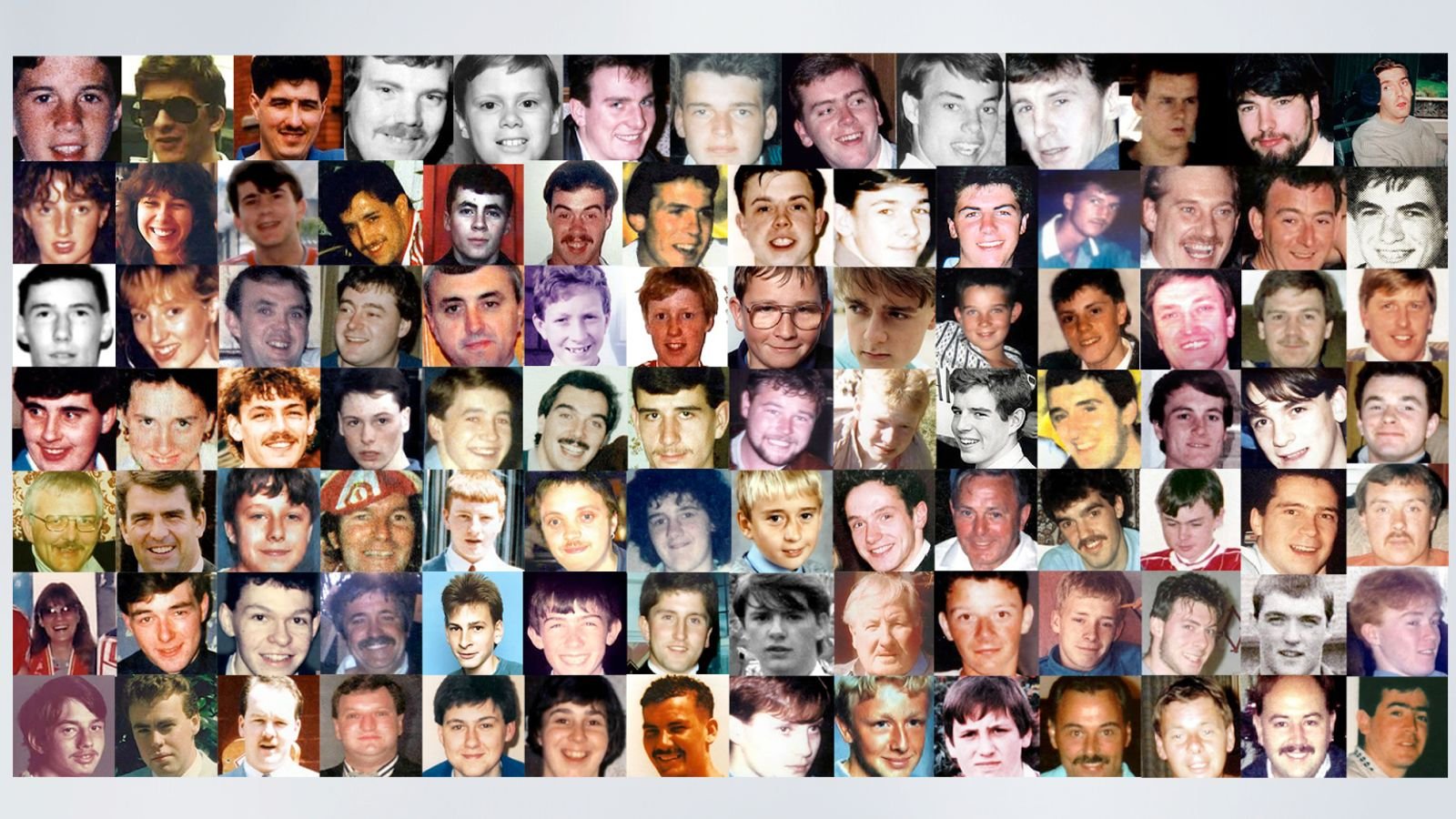
Hillsborough remains the deadliest event in British sporting history. On April 15, 1989, a crush during the FA Cup semi-final at Sheffield’s Hillsborough Stadium led to the deaths of 97 Liverpool fans, ranging in age from 10 to 67.
Following relentless campaigning by bereaved families, new inquests in 2016 concluded that the deceased had been unlawfully killed, a stark contrast to earlier verdicts of accidental death. The report by the IOPC has been met with disappointment from many families, who argue that accountability remains elusive.
Reaction from Victims’ Families
The families of victims have expressed frustration with the IOPC findings. Jenni Hicks, whose daughters Victoria and Sarah died in the tragedy, questioned the lengthy duration of the report and its perceived lack of new information. She remarked, “It’s not, in my opinion, about telling the families anything.”
Louise Brookes, whose brother Andrew also perished at Hillsborough, dismissed both the report and the newly proposed Hillsborough Law as ineffective against systemic accountability failures in public institutions.
Future Implications and Legislative Responses
In response to the earlier failures, the UK government has introduced a legislative proposal known as the Hillsborough Law. This regulation aims to enforce a duty of candour among public officials, mandating honesty and integrity in dealings related to public safety.
Despite this potential legislative progress, many families remain sceptical about any real change. Solicitor Nicola Brook noted the “bitter injustice” of the situation, where officers evade repercussions for their actions while families seek closure and justice.
In her concluding statement, Kathie Cashell acknowledged the prolonged duration of the investigation and advocated for a legal duty of candour that could have potentially mitigated the trauma experienced by the families seeking truth about their loved ones.
Background
The Hillsborough disaster has long been a touchstone in discussions on policing and accountability in the UK. Initial attempts to blame fans for the tragedy ignited a prolonged struggle for justice, leading to updated investigations and ongoing legislative reforms aimed at safeguarding public integrity in policing.
Source: Original Article