






















Hong Kong Mourns After Catastrophic Fire
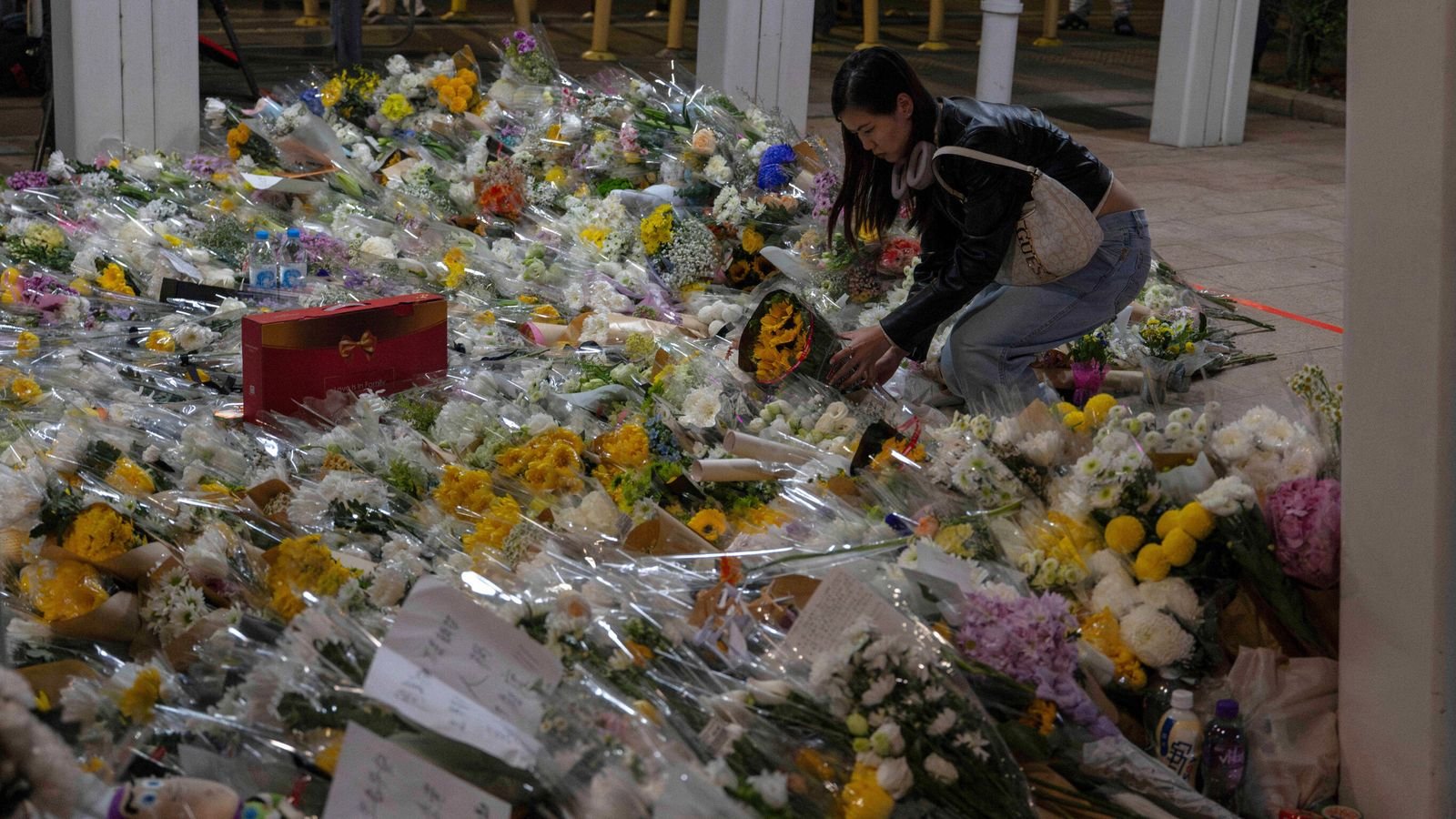
In the wake of Hong Kong’s deadliest fire yet, residents are coming together to honour the victims and express their grief. Three days after the disaster, large crowds have gathered to pay their respects, prompting officials to establish a queuing system for those wishing to lay flowers at the site.
Community Response to the Tragedy
During the weekend, many members of the community took the opportunity to reflect and pay tribute, with official condolence books set up across multiple locations in the city. Volunteers were also central to the initial response, creating a grassroots aid centre that quickly became overwhelmed with donations. However, the operation was relocated to professional NGOs after just a few hours.
Investigation Underway
On the first day that sizeable teams of investigators could access the site, they were observed entering in hazmat suits to undertake their grim responsibilities. As investigators worked diligently, flashing lights from their torches occasionally pierced through the scorched structure, a testament to the ongoing hazardous conditions.
Safety Concerns Voiced Before the Incident
Reports indicate that concerns regarding fire safety were raised by local residents as early as September 2024, specifically relating to the flammability of materials used in renovations at Wang Fuk Court. Despite these warnings, an email response from the Labour Department reassured the public about the safety standards of the protective mesh used during the construction. However, skepticism persisted among those affected, with many expressing ongoing worries in community forums.
Historical Context
This tragic incident echoes past events, including the mass protests of 2019, which left the authorities particularly sensitive to large gatherings. Current sentiments of anger and frustration emerge as residents question what the government knew about the building’s safety and what warnings may have been ignored.
Voices of the Community
One community organiser expressed concerns that the government might be overly cautious due to previous incidents. As funeral services and mourning activities continue, the emotional weight of grief is palpable, but it is accompanied by a palpable undercurrent of anger among the populace.
Frustration erupted into public dialogue, with claims surfacing that authorities knowingly allowed lax safety standards in construction practices. Activists, like civil engineer Jason Poon, are advocating for accountability, insisting, “This is a man-made disaster.” He highlighted the negligence surrounding safety protocols that could have prevented such a catastrophe.
Conclusion
The devastation of this tragic fire represents not only profound loss for the individuals and families affected but also raises critical questions regarding regulatory oversight and building safety in Hong Kong. As the community grapples with grief, the need for clear answers from authorities grows ever more urgent.
Background
This incident comes amid rising tension over safety regulations in Hong Kong, underlining a history of previous incidents where community concerns were allegedly overlooked. The events of 2019 have left a lasting impact on how gatherings are perceived, contributing to the nervous atmosphere surrounding massive public responses.
Source: Original Article






