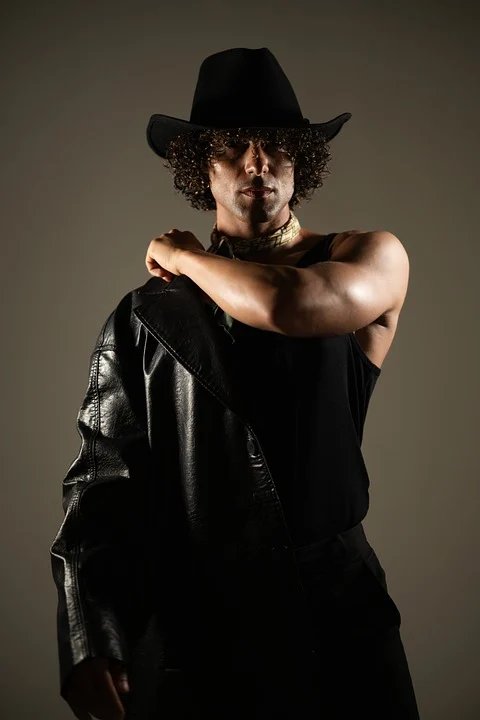
Fashion photography has played a pivotal role in redefining the art of visual storytelling in editorial contexts. Through its evolution, it has transformed how fashion is perceived, experienced, and understood, weaving together narratives that extend beyond mere clothing to embody cultural, societal, and artistic themes.
The Evolution of Fashion Photography
Initially, fashion photography was primarily functional, aimed at documenting clothing for catalogues or advertisements. However, as photographers began to explore artistic expression, fashion photography evolved into a critical component of editorial storytelling.
Artistic Influences and Early Pioneers
The early 20th century saw photographers like Edward Steichen and Irving Penn transform fashion imagery into a sophisticated art form. They merged high fashion with fine art, creating visually captivating images that chronicled not only the garments but also the essence and emotion of the moment.
- The Influence of Surrealism: The surrealist movement significantly affected fashion photography in the 1930s and 1940s, with photographers like David Bailey and Guy Bourdin blending whimsy and fantasy into their compositions. This redefined the narrative quality, allowing for deeper engagement.
- Iconic Magazines: Publications like Vogue and Harper’s Bazaar championed these innovators, providing a platform to cultivate rich visual dialogues that resonated with audiences.
Creating Visual Narratives
The technique of storytelling in fashion photography often hinges on several key elements:
- Setting and Environment: The location can communicate a mood or theme, whether a glamorous cityscape or an intimate natural setting. The cinematography of the surroundings adds layers to the narrative.
- Pose and Emotion: The model’s expression and body language are vital. They convey feelings, personality, and a story that invites the viewer into the conceptual world of the editorial.
- Styling and Composition: The combination of clothing, accessories, and props contributes to a cohesive visual story. Each element is meticulously chosen to reinforce the theme.
Historical Significance of Iconic Designers
Fashion photography has often collaborated seamlessly with iconic designers, further enriching editorial narratives. Designers like Coco Chanel and Christian Dior not only set fashion trends but also inspired photographers to capture their creations in ways that illustrated their profound impacts on style and culture.
- Coco Chanel: Known for her timeless elegance, Chanel’s design philosophy influenced numerous editorial interpretations that emphasized innovation and liberation in women’s fashion.
- Christian Dior: The introduction of the “New Look” in the 1940s was celebrated through evocative imagery that highlighted femininity, structured silhouettes, and luxurious fabric choices, became a benchmark of sophisticated storytelling in fashion photography.
Modern Interpretations and the Digital Age
With the advent of digital technology, fashion photography has further evolved, allowing for rapid dissemination and a democratization of style. Today, emerging designers and photographers utilize platforms like social media to craft visual narratives that engage audiences in innovative ways.
- Inclusivity and Diversity: Modern fashion photography increasingly embraces diverse narratives that reflect a wider array of identities and experiences, challenging traditional beauty standards.
- Interactive Storytelling: Digital formats enable layered storytelling, where viewers can interact with fashion narratives, deepening their engagement with both the visuals and the subject matter.
Conclusion
Fashion photography is not merely about clothing; it is a profound form of visual storytelling that has redefined how we perceive fashion and its role in society. By weaving narratives filled with artistic intent, emotional depth, and cultural significance, fashion photography continues to inspire and captivate audiences worldwide.