






















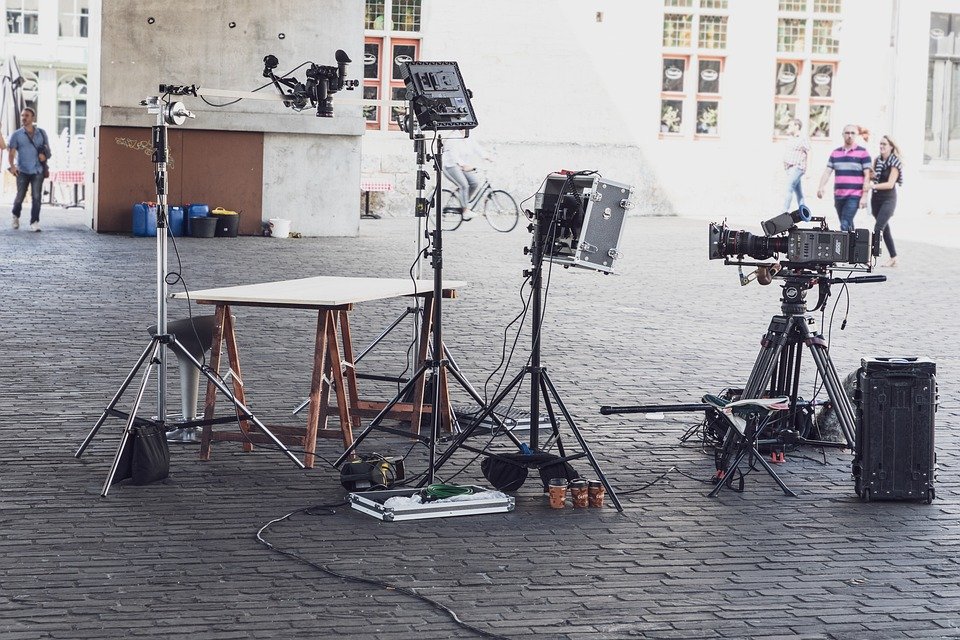
The Evolution of Film Cameras and Their Impact
The 20th century witnessed a remarkable transformation in cinema, largely shaped by advancements in film camera technology. This evolution not only altered the technical capabilities of filmmaking but also profoundly influenced the directorial styles that emerged during this period. From the silent films of the early 1900s to the dynamic narratives of contemporary cinema, the camera has played a pivotal role in shaping storytelling techniques and aesthetic choices.
The Birth of the Camera
The advent of motion picture cameras in the late 19th century set the stage for cinematic expression. Early filmmakers like Georges Méliès and the Lumière brothers utilized simple cameras to create innovative visual narratives. Méliès is noted for his creativity in editing and special effects, which were made possible through the use of early film cameras. His work laid the groundwork for directors’ creativity and established new storytelling techniques.
Silent Era Innovations
During the silent film era (1890s-1920s), directors like D.W. Griffith harnessed the capabilities of cameras to enhance narrative storytelling. Griffith’s innovations in camera angles and editing, particularly in films such as “The Birth of a Nation” (1915) and “Intolerance” (1916), showcased how the mobility and flexibility of film cameras could be exploited to create emotional depth. His use of close-ups and cross-cutting techniques emphasized the relationship between characters and heightened dramatic tension.
The Studio System and the Rise of Genres
As the studio system flourished in Hollywood from the 1930s to the 1960s, so did the sophistication of film cameras. Cinematographers began experimenting with various film stock, lenses, and lighting techniques, which directly impacted directors’ styles. For instance:
- Film Noir: Directors like Alfred Hitchcock and Orson Welles utilized chiaroscuro lighting and unconventional camera angles to create suspense and psychological tension. Welles’ “Citizen Kane” (1941) featured groundbreaking deep focus cinematography, allowing multiple planes of action to be in focus simultaneously, which added depth to storytelling.
- Musicals: The use of vibrant color film, as exemplified in “The Wizard of Oz” (1939), influenced directors like Vincente Minnelli, whose meticulous compositions and attention to color became signature elements of his directorial style.
Documentary and Realism
The rise of documentary filmmaking during the mid-20th century marked a shift in directorial approach. Directors such as John Grierson pioneered the use of handheld cameras, allowing for a more intimate and realistic portrayal of subjects. This movement influenced narrative filmmakers as well, encouraging directors like the Italian Neorealists, including Roberto Rossellini and Luchino Visconti, to adopt naturalistic styles, emphasizing real locations and non-professional actors.
The Advent of Color and New Technologies
The introduction of color film in the 1950s and ‘60s revolutionized visual storytelling. Directors such as Stanley Kubrick and François Truffaut utilized color to enhance emotional impact and thematic depth. Kubrick’s “2001: A Space Odyssey” (1968) made groundbreaking use of special effects and vibrant colors, demonstrating how advancements in camera technology could elevate the cinematic experience. This period also saw developments in camera stabilization techniques, which allowed for more dynamic shots during action sequences.
Conclusion
The evolution of film cameras throughout the 20th century significantly influenced directorial styles, leading to new genres, techniques, and storytelling methods. From the groundbreaking innovations of early filmmakers to the sophisticated cinematography of the modern era, the camera has remained an essential instrument in the art of filmmaking. As technology continues to evolve, the legacy of these advancements will undoubtedly inform the future of cinema, continuously shaping the narratives we experience on screen.






