






















Understanding Hormones
Hormones are chemical messengers produced by glands in the endocrine system. They play a vital role in regulating various bodily functions, including growth, metabolism, and mood. While hormones are often associated with specific activities, their influence is interconnected and essential for overall health.
Hormones and Growth
Growth hormones are crucial during different development stages, particularly in childhood and adolescence. The primary hormone responsible for growth is the human growth hormone (HGH), produced by the pituitary gland. It stimulates muscle and bone growth and influences bodily composition.
- Human Growth Hormone: Promotes tissue growth and regeneration.
- Thyroid Hormones: Regulate metabolism and play a role in normal growth and development.
- Sex Hormones: Estrogen and testosterone are vital during puberty, affecting physical development and maturation.
Hormones and Metabolism
Metabolism is the process by which the body converts food into energy. Hormones significantly influence metabolic processes, including how the body uses nutrients and energy production.
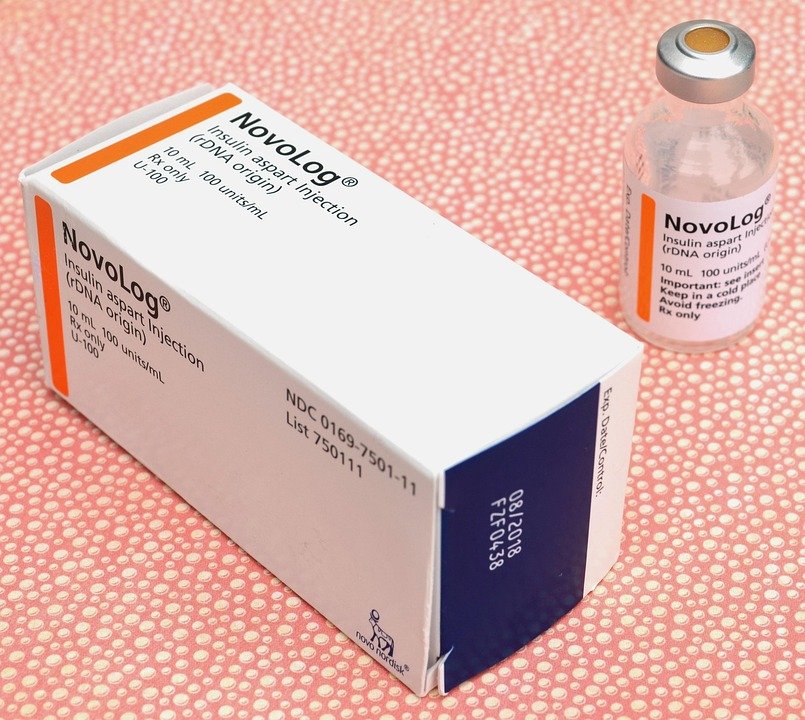
- Insulin: Secreted by the pancreas, insulin is essential for regulating blood sugar levels and helps cells absorb glucose for energy.
- Thyroid Hormones: These hormones control the rate of metabolism and influence how quickly the body uses energy.
- Cortisol: Known as the stress hormone, cortisol helps manage energy levels during stressful situations by regulating glucose levels and metabolism.
Hormones and Mood Regulation
Mood and emotional well-being are also influenced by hormonal balance. Several hormones are known to play a role in mood regulation:
- Serotonin: Often referred to as the “feel-good” hormone, serotonin contributes to feelings of happiness and well-being.
- Dopamine: This hormone is tied to feelings of pleasure and reward and helps regulate mood.
- Oxytocin: Known as the “love hormone,” oxytocin is involved in bonding and relationships, influencing social interactions and emotional responses.
Maintaining Hormonal Balance
Maintaining hormonal balance is crucial for overall health. A healthy lifestyle can contribute to this balance:
- Nutrition: A balanced diet provides essential nutrients that support hormone production.
- Exercise: Regular physical activity can help regulate hormone levels and improve mood.
- Sleep: Adequate sleep is important for hormone secretion and overall health.
- Stress Management: Practices such as mindfulness and relaxation techniques can help manage stress and its impact on hormones.
Understanding the role of hormones in growth, metabolism, and mood regulation highlights the interconnectedness of these systems. A balanced approach to health can support hormonal functions, leading to improved overall well-being.






