






















Introduction to Film Noir
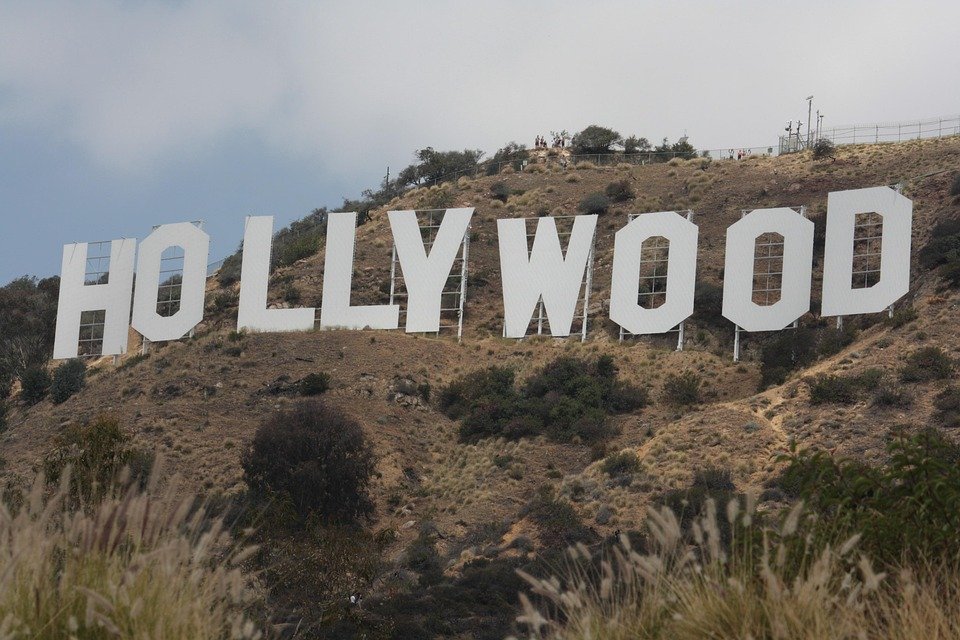
Emerging from the shadows of the Golden Age of Hollywood, film noir encapsulates a style both visually arresting and thematically complex. Characterized by its use of low-key lighting, urban settings, and morally ambiguous characters, film noir offered viewers a stark reflection of post-war anxiety and disillusionment. This cinematic movement became prominent from the early 1940s to the late 1950s, influencing countless filmmakers across the globe.
Origins and Influences
Film noir was heavily influenced by European cinema, particularly German Expressionism. Directors emigrating from Europe during the rise of fascism brought with them innovative techniques that shaped American cinema. Techniques such as chiaroscuro lighting and off-kilter camera angles created a visual language that defined the noir aesthetic.
Visual and Narrative Characteristics
One of the hallmarks of film noir is its unique visual style. Key characteristics include:
- Low-Key Lighting: Shadows play a vital role, creating tension and enhancing the themes of moral ambiguity.
- Urban Settings: Cities often serve as antagonists, reflecting the characters’ internal struggles.
- Complex Narratives: Twists and turns in the plot leave audiences questioning the motives of the characters.
- Voiceover Narration: Frequently used to provide insight into the protagonist’s psyche and deepen the story.
Key Figures in Film Noir
The legacy of film noir can be attributed to a cadre of influential filmmakers, writers, and actors:
- Directors: Key figures such as Alfred Hitchcock, Orson Welles, and Billy Wilder crafted iconic noir films that pushed boundaries and explored darker themes.
- Actors: Stars like Humphrey Bogart, Lauren Bacall, and Rita Hayworth became synonymous with the genre, delivering performances that captured the essence of disillusionment.
- Writers: The contributions of noir writers, such as Raymond Chandler and Dashiell Hammett, provided rich source material that often blurred the lines between hero and villain.
Influential Films
Numerous films have left an indelible mark on the noir genre, with several standing out as quintessential examples:
- “Double Indemnity” (1944): Directed by Billy Wilder, this classic encapsulates the themes of greed and betrayal.
- “The Maltese Falcon” (1941): Directed by John Huston, this film set the standard for the private detective narrative.
- “Sunset Boulevard” (1950): Another Wilder masterpiece, which critiques the Hollywood system and reveals the dark side of fame.
Legacy and Impact
As the original era of film noir faded in the late 1950s, its influence persisted. Neo-noir films, which emerged from the 1960s onward, utilized similar stylistic and thematic elements to explore contemporary issues. Movies such as “Chinatown” (1974) and “Blade Runner” (1982) illustrate how the noir aesthetic continues to resonate within modern storytelling.
Conclusion
Film noir remains a vital part of film history, serving as a lens through which to examine societal fears and upheavals. It invites audiences to confront the darker aspects of human nature while enjoying meticulously crafted narratives. The genre continues to inspire filmmakers, ensuring that the essence of noir will linger on in cinema for years to come.






