























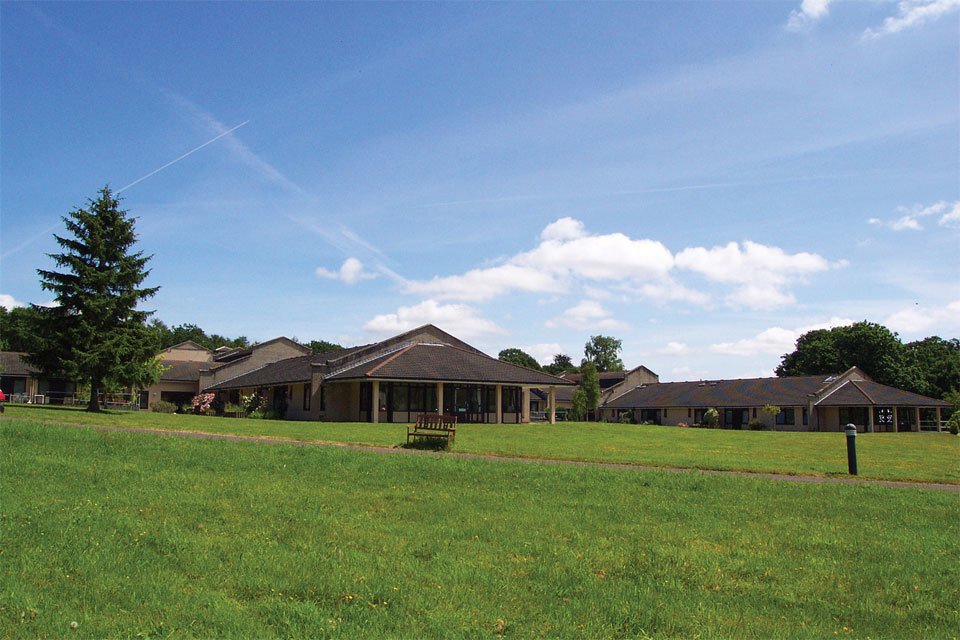
Honouring a Legacy: 80 Years Since the Polish Resettlement Act
As the 80th anniversary of the Polish Resettlement Act of 1947 approaches, Ilford Park Polish Home, managed by the Ministry of Defence (MOD), continues to exemplify the UK’s commitment to Polish veterans who fought alongside British troops during the Second World War. Established to provide support and care for Polish individuals displaced by the conflicts, this facility remains a vital connection to Britain’s past.
The Context of Repatriation
Following the conclusion of the Second World War, many Polish soldiers who served under British command were unable to return to their homeland due to dramatic political shifts that exposed them to persecution or placed their country under Soviet control. In a historical response, the British Government made a solemn promise to protect and resettle these veterans.
The Formation of Support Structures
In 1946, the British Army established the Polish Resettlement Corps, enabling Polish personnel to join during demobilisation, thus aiding their transition back to civilian life. The subsequent Polish Resettlement Act of 1947, known colloquially as “Churchill’s Promise,” formalised this commitment, marking a significant moment in immigration legislation by recognising Poles as a “special case” for their significant contributions during wartime.
Winston Churchill articulated this indelible debt owed to Polish troops during a speech in the House of Commons, stating that the government would remember those who had valiantly served alongside British forces.
Evolution of Ilford Park Polish Home
Initially opened as a resettlement camp in 1948 at Stover Camp, Devon, Ilford Park Polish Home has transformed over the decades from a temporary facility into a residential care home. Its establishment followed the opening of 45 resettlement camps across the UK, evolving to cater to the needs of Polish veterans and their families.
Community and Heritage
Known fondly as “Little Poland,” Ilford Park maintains strong connections to Polish culture and traditions, with more than 2,500 individuals and their families having resided there since its inception. Today, it accommodates 40 residents, with the average age being 91, and employs a bilingual staff, ensuring a culturally relevant and supportive environment.
The presence of a Polish priest on-site reflects the home’s dedication to providing meaningful connections to heritage, offering daily religious services and celebrating both Polish and British national occasions. Clare Thomas, the Home Manager, expressed pride in the supportive community fostered at Ilford Park, which continues to be vibrant and welcoming.
Future Commitments
As 2027 approaches, marking the 80th anniversary of the Polish Resettlement Act, the MOD reaffirms its dedication to the legacy established by Churchill. The home actively seeks eligible applicants to provide them with the care and community they deserve.
The criteria for admission under the Polish Resettlement Act 1947 include:
- Individuals who fought with the Polish Armed Forces under British command.
- Polish nationals registered after 31 August 1939 under the Aliens Order 1920, who entered the UK due to circumstances stemming from World War II.
- Spouses and dependents of the individuals mentioned above.
For further information, interested parties are encouraged to visit www.gov.uk/guidance/ilford-park-polish-home or contact the home via email at AFVS-Ilford-Park-Polish-Home@mod.gov.uk.
Source: official statements, news agencies, and public reports.
https://www.gov.uk/government/news/ilford-park-polish-home






