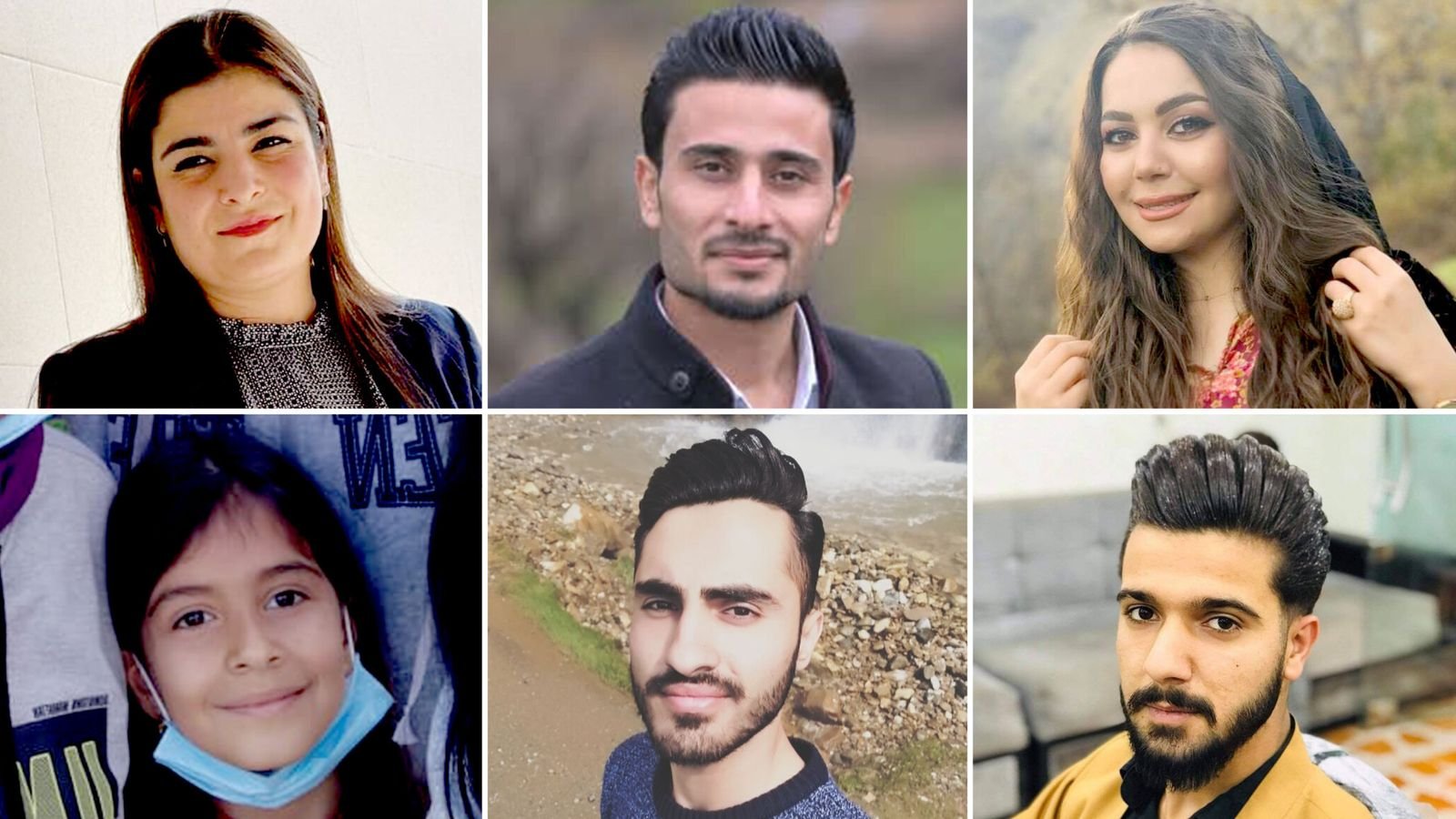
Inquiry Reveals Systemic Failures in Channel Boat Tragedy
A public inquiry has found that the tragic deaths of over 30 individuals attempting to cross the English Channel in a small boat could have been avoided if a French warship had responded to a Mayday signal. The inquiry highlighted multiple factors, including the role of people smugglers and shortcomings in HM Coastguard’s rescue efforts, which led to what is now considered the deadliest incident of its kind.
Details of the Incident
The fatal event occurred on 24 November 2021 when a small inflatable boat capsized while making the perilous journey from France to the UK. A total of 33 people had set out, but only two survived, found almost 12 hours after the initial distress calls were made. A public inquiry, chaired by Sir Ross Cranston, revealed that while 27 bodies were recovered, four individuals are still unaccounted for and presumed dead.
Findings of the Inquiry
Sir Ross emphasized that the loss of life was preventable and attributed it to several factors:
- The practice of perilous small boat crossings poses significant risks.
- The boat was unfit for the journey, lacking proper safety equipment and severely overloaded.
- Systematic failures within the UK’s coastguard operations hindered timely rescue efforts.
At around 1.30 am, Mubin Rizghar Hussein, a 16-year-old from Iraq, made the first distress call, reporting that “everything is finished.” Although HM Coastguard issued a Mayday at 2.27 am, the nearby French warship Flamant did not respond, for reasons currently under investigation by French authorities. The inquiry suggests that had Flamant acted promptly, numerous lives could have been saved.
Search and Rescue Operations Criticised
The report outlined critical deficiencies within HM Coastguard’s operations during this incident, citing “chronic staff shortages” and overwhelming pressures faced by personnel at Dover. Sir Ross accused the government, then led by Prime Minister Boris Johnson, of failing to address these known issues, culminating in a “significant, systemic failure.” The inquiry documented that on the same night, a total of 367 individuals were rescued by Border Force, underscoring the need for improved resources and protocols.
Survivors’ Accounts
Issa Mohamed Omar, one of the survivors, recounted the harrowing experience, stating he clung to the remnants of the boat throughout the night and heard the screams of others still alive as dawn approached. He expressed a belief that quicker rescue efforts could have saved more lives, reflecting on the unfortunate treatment of refugees during crises.
Conclusion and Recommendations
The inquiry concluded that a more thorough search operation throughout 24 November would likely have resulted in a higher survival rate. Sir Ross issued a series of 18 recommendations aimed at improving search and rescue protocols for small boats, emphasising the urgent need for systemic reform to prevent future tragedies.
Background
The English Channel is one of the busiest maritime routes globally, yet attempts to cross it in small, often unseaworthy vessels have increased in recent years. The rise in such crossings has been associated with the ongoing humanitarian crisis, which has seen many individuals attempting perilous journeys in search of safety and a better life in the UK.
Source: Original Article