























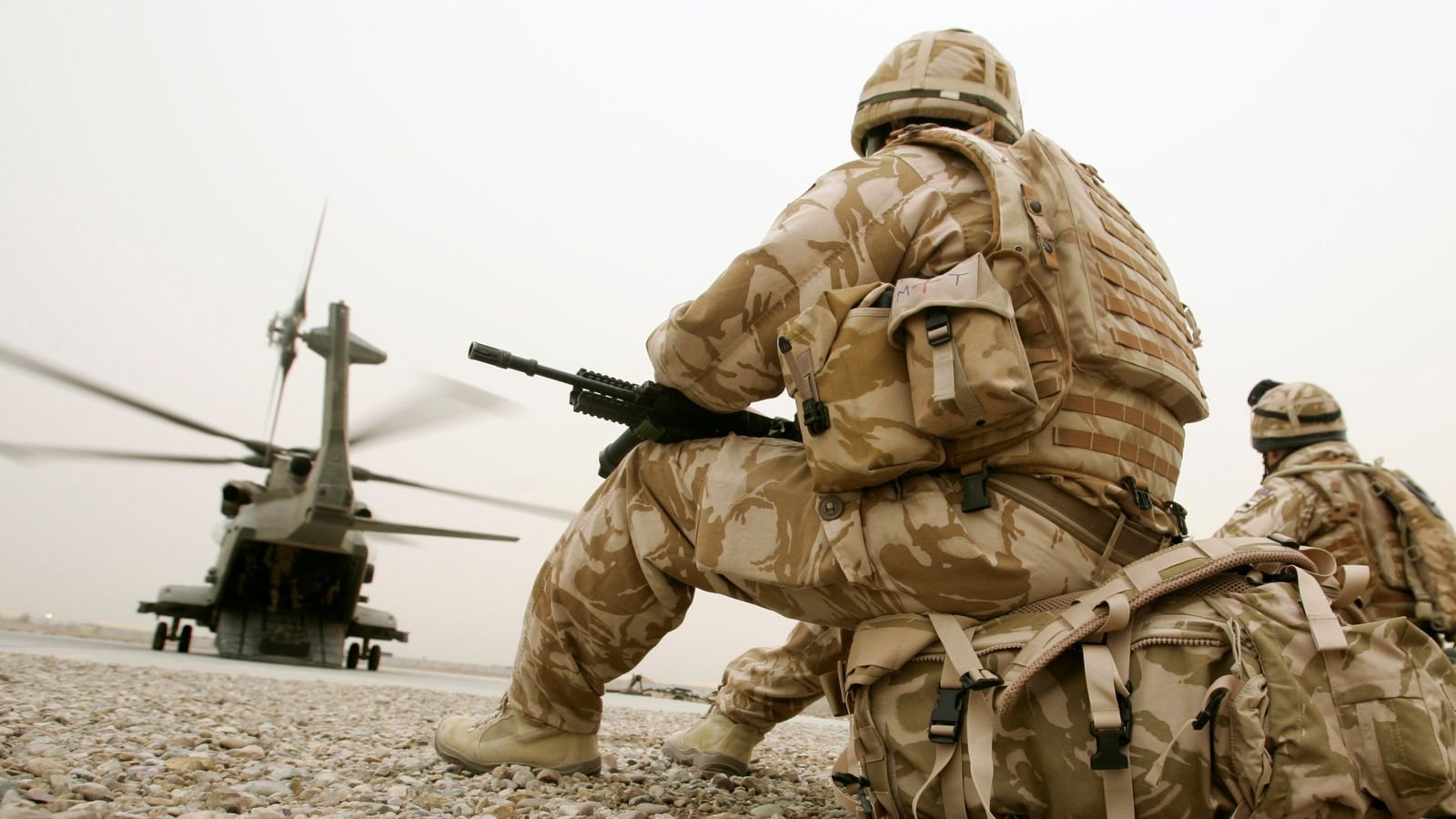
Inquiry Reveals Allegations of War Crimes by British Special Forces in Afghanistan
An inquiry into British special forces’ operations in Afghanistan has heard alarming testimonies suggesting a systematic policy to eliminate combat-aged males, even in cases where they did not pose an immediate threat. The inquiry follows a note from a senior officer, which raises serious questions about potential war crimes conducted by a specific unit known as UKSF1.
Details from the Inquiry
The inquiry has revealed that, in a document dated April 7, 2011, a senior officer, referred to by the codename N1466, expressed serious concerns to the director of UK special forces regarding this alleged policy. According to N1466, the commanding officer of UKSF1 conveyed that there might be a deliberate approach within the unit to target and kill individuals based on age alone, independent of any immediate threat posed by them.
Moreover, N1466 claimed that the director, known in the inquiry as N1802, made a conscious choice to suppress information surrounding these occurrences, indicating a desire to manage the narrative surrounding potential war crimes. This suppression allegedly included controlling data from deliberate detention operations, which raised suspicions about the validity of reported figures regarding combat engagements.
Implications of the Testimony
The specifics of the allegations are grim. N1466 narrated an incident where UKSF1 operatives allegedly shot into a mosquito net covering civilians, only to discover that it concealed women and children. This incident was reportedly covered up, and the shooter was claimed to have received some form of commendation to lend legitimacy to the act.
N1466 articulated that the prevalence of such rumors within military ranks posed a serious ethical dilemma, stating it was unacceptable and could ignite a significant controversy within the special forces community. He insisted that if any truth lay behind these rumors, the actions of the unit would reflect an indefensible breach of ethical and legal standards.
Background on the Inquiry
This inquiry comes amid growing allegations that British special forces engaged in extrajudicial killings and that senior officials may have obstructed thorough investigations into these claims. Operation Northmoor, established in 2014 to delve into such allegations, failed to yield any prosecutions despite substantial evidence being presented. Similarly, a subsequent investigation, designated Operation Cestro, led to referrals without any resulting prosecutions. The ongoing inquiry reflects a critical attempt to address the troubling legacy of UK military operations in Afghanistan.
Afghan families have charged that UKSF orchestrated a “campaign of murder” targeting civilians. These families, alongside advocacy groups, emphasize the urgency for accountability and justice amidst allegations of war crimes that continue to haunt the reputation of British forces abroad.
Reactions and Future Steps
The spokesperson for the Ministry of Defence stated the government remains committed to supporting the ongoing inquiry. They stressed the importance of transparency and accountability in military operations, indicating that the findings of this inquiry may shape future policies and practices concerning military engagement in conflict zones.
As the inquiry progresses, the testimonies and documents being released will further inform the public and impact perceptions of the British military’s activities in Afghanistan.
Source: Original Article






