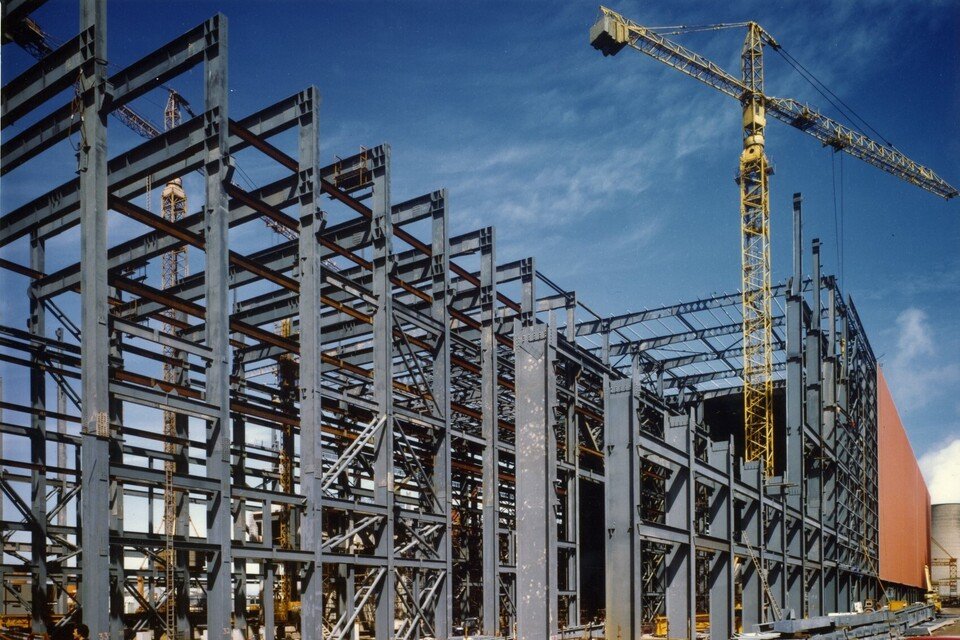
The Crucial Role of the Fuel Handling Plant in UK Energy Security
The Fuel Handling Plant (FHP) in Sellafield is essential for the continuous supply of electricity across the UK. By efficiently processing and managing nuclear fuel, the FHP significantly contributes to national energy security while aiding in the reduction of carbon emissions.
Function and Significance of the Fuel Handling Plant
The FHP has been a cornerstone of the UK’s nuclear energy framework for over 40 years, ensuring the seamless operation of reactors managed by EDF. Opened in 1985, it was the first facility at Sellafield designed with a protective roof over its fuel ponds, enhancing the safety and reliability of nuclear fuel storage.
The structure is divided into four main operational zones:
- The inlets for fuel flask arrivals and dispatches
- The pond hall where fuel is temporarily stored underwater to cool
- The AGR dismantler, dedicated to the breakdown and consolidation of used fuel
- The Magnox decanner cells, designed for preparing fuel for reprocessing
Collectively, these areas enable the safe handling of nuclear fuel while minimizing risks at the Sellafield site.
Operational Process at the Fuel Handling Plant
When AGR fuel arrives, it is stored in the pond for a period of 180 days, allowing for the decay of short-lived isotopes. Each fuel element consists of 36 pins contained in a sturdy stainless-steel framework, all encased in a graphite sleeve.
After the cooling period, the fuel is moved to the dismantler cell, where pins containing enriched uranium pellets are removed from their water-filled containers. This careful dismantling process aids in efficient reprocessing, although such activities have ceased since 2018.
The remainder of the dismantled materials is compacted and stored securely. Waste is transferred through a system of tunnels to designated storage areas, ensuring continued safety until final disposal methods are established.
Supporting the Magnox Reactors
The FHP has played an integral role in the operation of the Magnox reactors. Here, fuel is received, stored, and decanned through specialized processes, which play a part in sustaining reactor function and facilitating fuel reprocessing.
Magnox fuel comprises uranium bars encased in magnesium alloy. The decanning process effectively removes this cladding, directing the swarf to encapsulation facilities for safe storage. Although reprocessing of Magnox fuel concluded in 2022, a significant amount of fuel remains on-site, carefully monitored for safety.
Adaptations and Future Directions
The FHP has demonstrated flexibility in its operations, continually adapting to support broader objectives at Sellafield. Some recent initiatives include:
- Utilizing the relatively clean pond water to aid in the decommissioning of the First Generation Magnox Storage Pond, thereby lowering activity levels there.
- Accepting fuel-bearing skips from legacy sites to facilitate cleanup efforts.
- A third increase in storage capacity through the triple-stacking of skips within the pond.
- Ongoing evaluations of older graphite waste drums to determine if they can be classified as lower-level waste.
As the UK seeks to enhance its energy independence and transition toward greener sources of power, the FHP continues to be a vital asset in the landscape of nuclear energy.
Source: official statements, news agencies, and public reports.
https://www.gov.uk/government/case-studies/the-fuel-handling-plant