Protests in Iran Escalate Amid Ongoing Crackdown
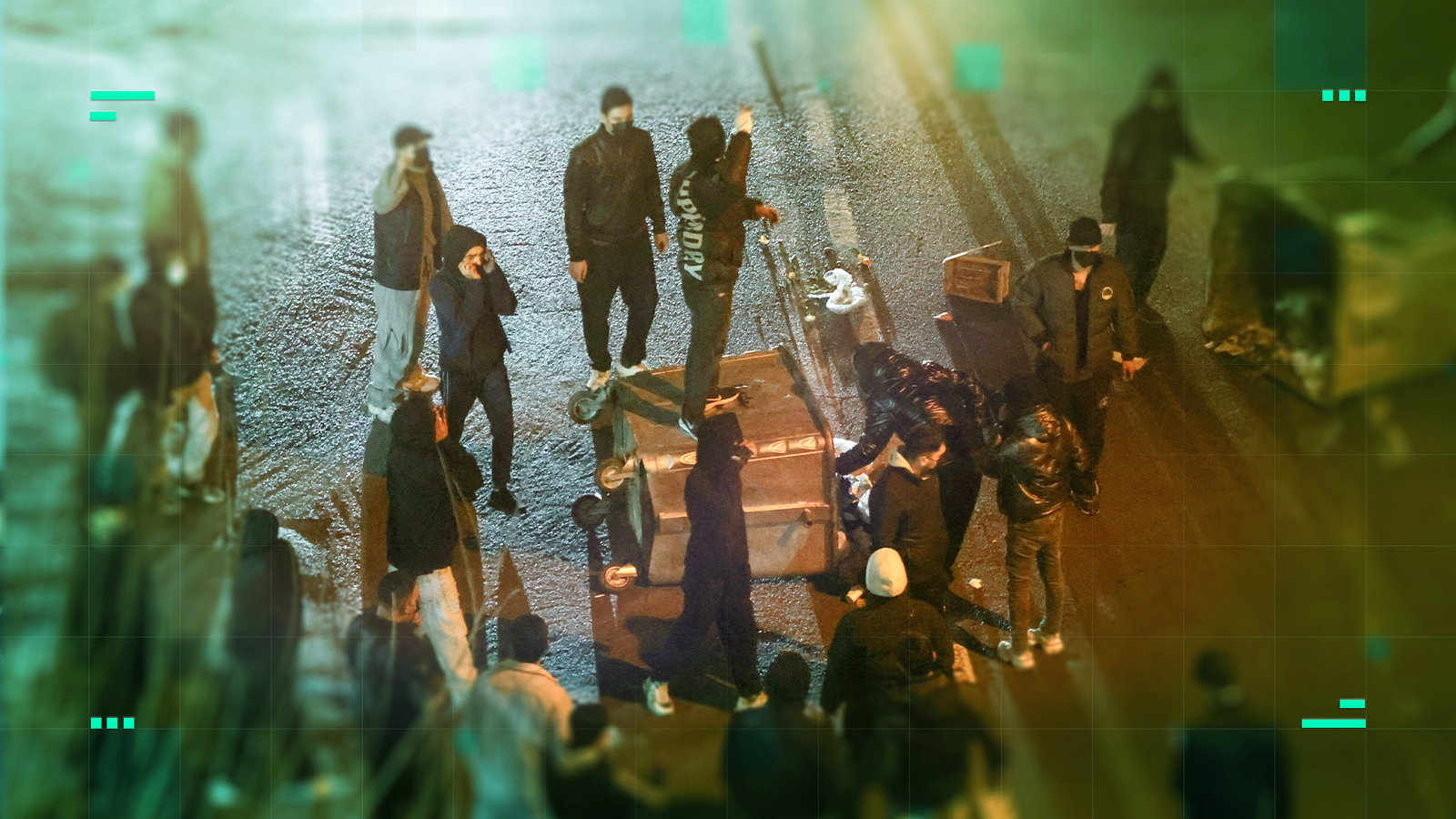
A series of protests continue to unfold across Iran, particularly in the city of Marvdasht, as demonstrations that began in Tehran on December 28 show no signs of abating. Verified footage on social media reveals protesters clashing with security forces, contributing to an escalating situation marked by reported arrests and fatalities.
Escalating Unrest
Recent reports indicate that at least eight individuals were detained in Marvdasht on January 12, further highlighting the government’s response to dissent. The Iranian Human Rights Activists News Agency (HRANA) has documented a total of nearly 900 protest events across the country, with the highest activity recorded on January 8, coinciding with an internet shutdown aimed at suppressing information flow. Although significant protest activity has declined since then, researchers suggest that restricted internet access has played a role in this decrease.
Of the 12 protests confirmed in the last two days, half were concentrated in Tehran, with additional gatherings noted in southern Marvdasht and northern Urmia. Reports indicate that security forces have deployed tear gas and stun grenades against demonstrators in at least three cities as the regime tightens its grip.
Reported Casualties and Arrests
The situation has resulted in a grave toll on human life, with HRANA reporting at least 2,003 fatalities since the onset of protests, including approximately 1,850 identified as protesters. An official has corroborated these figures, while Sky News has been able to confirm details of 75 individual deaths, which include a 15-year-old. The number of potential deaths could rise significantly, as HRANA is presently investigating an additional 779 cases which could elevate the total to over 2,700.
In addition to the fatalities, HRANA estimates that approximately 16,784 individuals have been arrested over the past two weeks, with over 8,000 of those apprehensions occurring on January 11 alone. Visual documentation of body bags from a forensics institute in Kahrizak has also circulated, indicating a distressing scenario unfolding in morgues across the region.
Growing International Concern
Human rights organizations, including the left-wing People’s Mojahedin Organisation of Iran (PMOI), claim the death toll may exceed 3,000 across 195 cities, although this figure remains unverified by independent sources. With ongoing communication restrictions since January 8, the actual extent of the violence and arrest trends is obscured, raising fears about the possibility of a burgeoning humanitarian crisis as information slowly becomes available.
Background
This surge in civil unrest comes against a backdrop of long-standing socio-economic discontent among the Iranian populace, who have increasingly voiced their frustrations against governmental policies. The government’s response, characterized by forceful repression, has attracted global scrutiny and has significant implications for regional stability and international relations.
The ongoing crisis in Iran not only underscores the fragility of freedoms within the nation but also poses pressing questions for the international community regarding intervention and support for human rights advocates in the region.
Source: Original Article