Significant Unrest Erupts in Iran Amid Economic Crisis
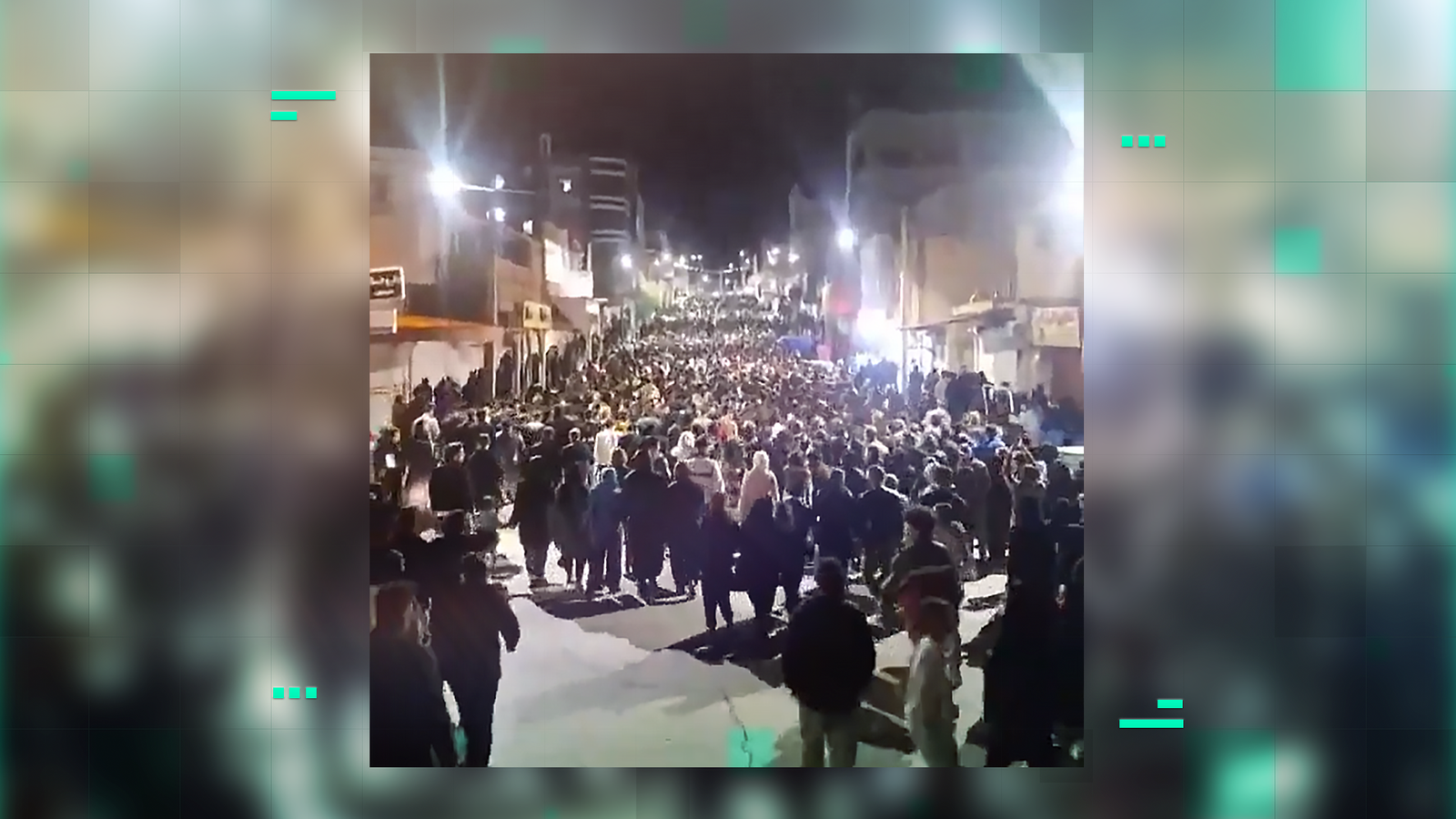
Protests have erupted across Iran, particularly in western regions, as demonstrators confront security forces over dire economic conditions. The unrest, which has escalated in recent days, reflects widespread frustration with the government’s handling of a crumbling economy and rampant inflation. Notably, incidents of violence have been reported, including a tragic event dubbed ‘Bloody Saturday’ in the town of Malekshahi.
Protests Intensify in Malekshahi
In the city of Malekshahi, protesters gathered at a base operated by the Revolutionary Guards, expressing their collective dissatisfaction through acts of defiance including banging on gates and throwing stones. The authorities responded with live ammunition, leading to chaos as many fled and others fell victim to the violence. This day has since been referred to by locals as ‘Bloody Saturday.’
Casualties and Continued Dissent
The following day, demonstrations re-emerged outside a local hospital, where relatives of those injured in the previous day’s confrontations sought refuge. As families called for an end to the current regime, security personnel attempted to breach the hospital, leading to further clashes as civilians and staff tried to resist their entry. Amnesty International reported instances where security forces apprehended injured protesters and their relatives, further escalating tensions.
Nationwide Protests Fuelled by Economic Woes
The protests, which began on December 28, have extended across over 280 locations in 27 provinces, signifying a unified call for change amidst economic despair. Economic difficulties have been exacerbated by a significant devaluation of the national currency, the rial, resulting in hyperinflation and soaring prices of essential goods. For example, one US dollar, which traded at 32,000 rials during the 2015 nuclear deal, now commands a staggering 1.46 million rials.
The Government’s Response
Experts note that the Iranian government has taken a dual approach, acknowledging the protests while simultaneously cracking down on demonstrators. This cycle of violence appears to be an attempt to suppress dissent while managing public perception amidst a media-savvy population, aware of global news and social media updates.
Context of Economic Crisis
The current unrest is rooted in a broader context of economic instability, heavily influenced by extensive US sanctions and internal mismanagement. The situation worsened after recent conflicts further hampered recovery efforts. As inflation remains around 40%, basic necessities like cooking oil and meat are becoming unaffordable for many citizens, exacerbating public frustration.
Violent Clashes and Growing Anger
In a separate incident in Shiraz, a protester reportedly turned a fire extinguisher into a flamethrower during confrontations with security forces, showcasing the desperate measures being taken by some citizens. Amid the escalating violence, the plight of protesters has caught international attention, particularly following remarks from global leaders supportive of their cause.
Funerals Follow Violence; Survivors Speak Out
Following the violence, funerals were held for those killed during the protests in Malekshahi. One survivor described the attacks on demonstrators and the hospital as violations of humanitarian principles, highlighting the gravity of the situation in Iran.
Background
The protests have gained momentum against a backdrop of ongoing economic challenges and rising public dissatisfaction with government actions. As citizens rally for change, the implications of their struggle may resonate beyond Iran, with potential global repercussions regarding governance, human rights, and international relations.
Source: Original Article