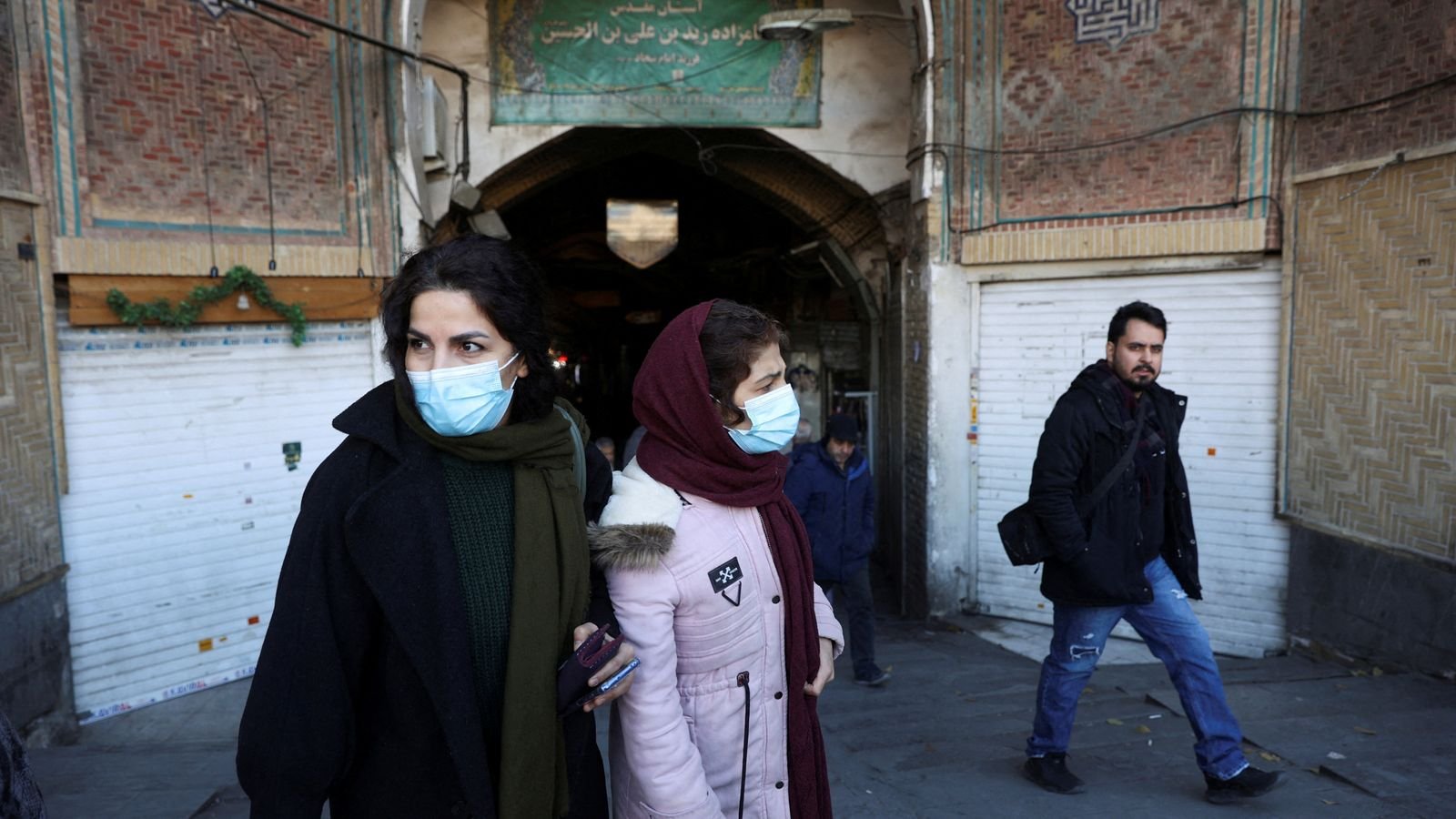
Iranian Protests Escalate Amid Economic Crisis
Protests in Iran have intensified, with demonstrators attempting to breach a local government office in Fasa on Wednesday. The unrest, which has sparked for four consecutive days over rising living costs, reflects widespread discontent stemming from severe inflation and a plummeting currency.
Demonstrations and Government Response
The protests began on Sunday, marking the first significant civil unrest since prior to June. They were ignited by shopkeepers and traders in Tehran dissatisfied with soaring inflation rates and the Iranian rial’s significant depreciation against the US dollar. These initial protests have been bolstered by student participation, as collective frustrations mount over the deteriorating economic conditions.
On Wednesday, demonstrators attempted to enter the governor’s office in Fasa. According to state media, security forces intervened, and a 28-year-old woman was arrested as the alleged leader of the group. Reports indicate that four individuals were detained during these clashes, and three security personnel sustained injuries.
Government’s Call for Dialogue
In a noted departure from previous responses to civil unrest, Iranian authorities have expressed willingness to engage in dialogue with protest leaders. This move comes amid rising tensions, contrasting sharply with the government’s past strategy of employing force and making arrests to quell dissent.
The governor of Fasa attributed the protests to economic grievances, suggesting external influences as contributing factors. He also claimed that the situation is now stabilising following the unrest.
Context of the Unrest
The current protests represent the largest wave of dissent since 2022, which were triggered by the death of Mahsa Jina Amini while in police custody. Amini was arrested for allegedly violating hijab regulations, which generated widespread outrage both domestically and internationally.
The Iranian economy has been under significant strain due to US sanctions imposed since 2018, targeted at its nuclear programme. These sanctions have exacerbated economic hardships, leading to inflation rates soaring above 42%. The immediate effects include a stark rise in food prices and essential goods, amplifying everyday challenges for Iranian families.
Significance of the Protests
These protests not only reveal domestic dissatisfaction with governance and economic policies but also attract global attention, highlighting the ongoing struggles within Iran. The situation is critical, as developments in Iranian civil society may have broader implications for geopolitical stability in the region and beyond.
Background
The unrest follows previous major protests linked to social and economic grievances, including the significant protests arising from Amini’s death in 2022. As the Iranian public continues to grapple with economic difficulties, the implications of government actions or lack thereof will be pivotal in shaping the nation’s future.
Source: Original Article