Violence Erupts in Tehran Amid Protests
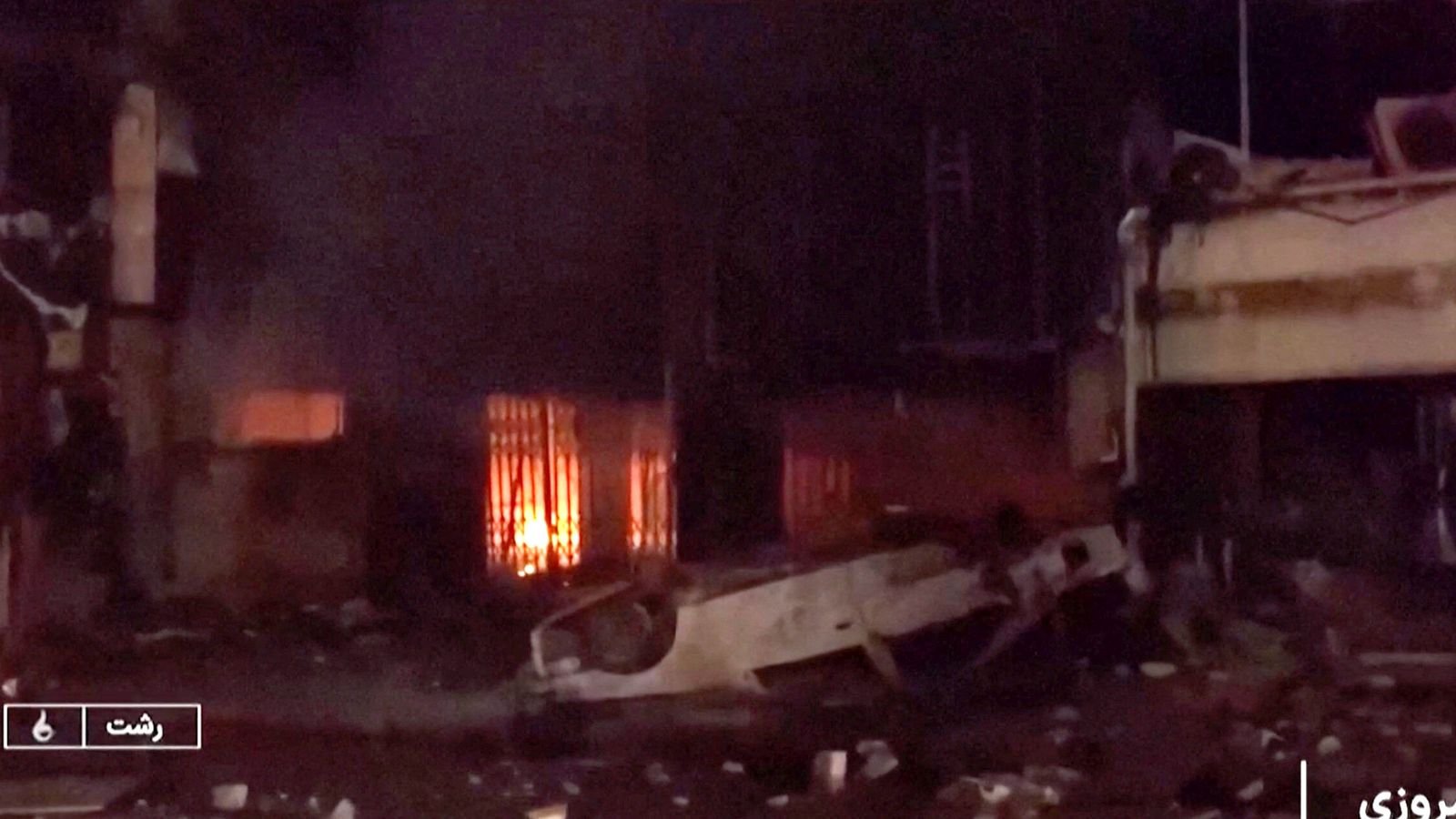
The situation in Iran has reached a boiling point, with a young woman describing the turmoil in Tehran as akin to a war zone. Following a near-total internet blackout that left most residents isolated from the outside world for five days, the brutal crackdown on protests has intensified, leading to numerous fatalities and widespread unrest.
Eyewitness Accounts of Horror
A woman, who prefers to remain anonymous for her safety, has shared harrowing details of the protests that erupted in her northern Tehran neighbourhood. For this report, we will refer to her as Leila. Describing scenes of chaos, she recounted that “everyone was being shot in the head,” and expressed her fear that Iranian authorities were running out of prison space, leading them to resort to lethal force against demonstrators.
Leila fled Iran last Sunday after days of escalating violence that began with the internet shutdown. According to her, protests became nightly occurrences, with individuals calling for regime change and the return of the former Shah, Reza Pahlavi. “People were shouting from their apartments, calling for an end to the Islamic Republic,” she noted.
Nightly Demonstrations
Leila vividly recounted the atmosphere during these protests. As darkness fell, the streets filled with people of all ages, including elderly residents and devout individuals covering their heads. “Even very Islamic people were protesting,” Leila said, highlighting a broad spectrum of participation in the demonstrations.
The Iranian authorities, meanwhile, have claimed that they have contained the situation, despite reports from various eyewitnesses and activists indicating otherwise. While official narratives suggest a return to normalcy, state media have announced closures of schools and businesses, attributing these measures to pollution rather than the unrest.
Personal Tragedy and Fear
Leila’s account not only highlights the violence occurring on the streets but also touches on deeply personal tragedies. She revealed that individuals she knew have been killed during the protests, including a friend’s cousin who was shot multiple times. “People around me were being killed,” she emphasized, underscoring the devastating impact of state violence on everyday life.
As the protests persisted, Leila found herself documenting scenes of bloodshed and tragedy through her phone’s camera, which would later become a source of fear for her safety. Before her departure, her mother urged her to delete the images, fearing repercussions from authorities searching for dissenting voices.
Desperate Measures and International Support
In her attempt to leave Iran, Leila had to navigate significant obstacles, including a security official who scrutinized her phone at the airport. “I was terrified,” she admitted, believing that if her protest footage had been discovered, it could have led to her indefinite imprisonment.
Upon reaching safety, Leila expressed a desire for international intervention to support the Iranian people during this critical time. “Without help from the outside, they just kill everyone,” she warned, emphasizing the urgent need for global attention and action in light of the ongoing human rights violations in Iran. “It’s super difficult,” she said, reflecting on the challenges of conveying the truth while authorities stifle communications.
Background
The current unrest is part of a broader context of dissatisfaction among Iranians with the ruling regime, exacerbated by economic difficulties and repression of civil liberties. The protests are reportedly the largest in several years, with individuals from various demographics uniting in their demands for change. This significant moment in Iran’s political landscape highlights the deep-seated tensions and the grave consequences that protesters are facing as they stand up against systemic injustice.
Source: Original Article