






















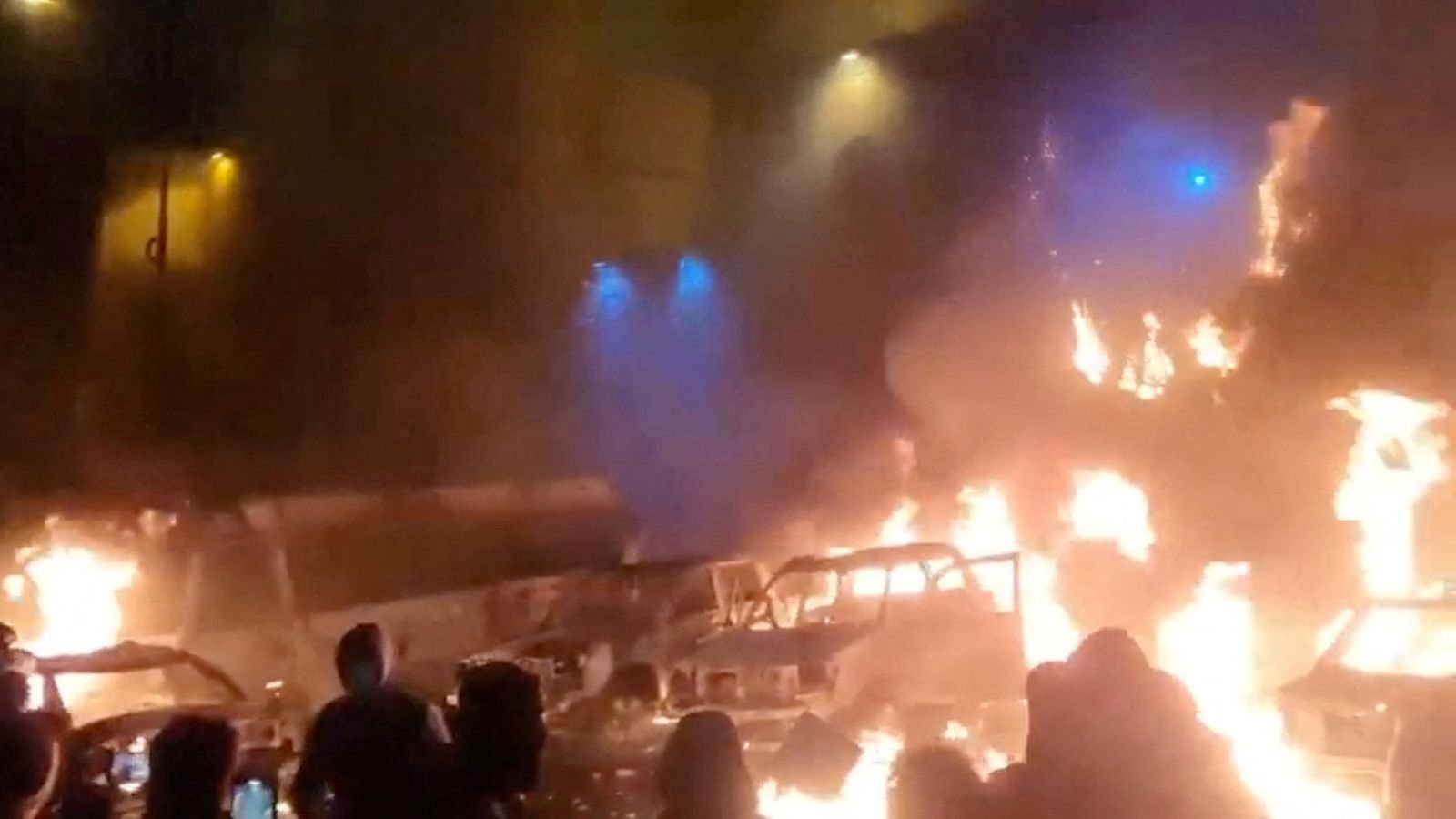
Protests Erupt in Iran as Citizens Demand Change
Recent protests in Iran have seen citizens from all walks of life converge in a united call for the dismantling of the Islamic Republic and the ousting of its leader, Ayatollah Khamenei. Triggered initially by economic grievances, the demonstrations have escalated, signalling a significant shift in the public’s willingness to challenge the regime.
Economic Dismay Fuels Outrage
The protests began approximately two weeks ago among shopkeepers who were voicing their frustrations over the country’s deteriorating economy. With inflation rates soaring and the national currency in freefall, the costs of essential goods like rice and bread have surged dramatically, pushing many Iranians to the brink.
However, economic discontent is only part of the catalyst for these upheavals. Growing frustration with the ruling class and their overall governance has prompted a broader spectrum of society to join the demonstrations, indicating widespread dissatisfaction with the status quo.
The Role of Suppression and Control
Arash Azizi, an Iranian historian, highlighted the regime’s failure in fulfilling basic governmental responsibilities, stating, “This is a government that represses people and does not allow them to engage in cultural expressions they enjoy.” This oppression has led to a sense of humiliation among a modern Iranian populace that is increasingly vocal against the regime.
Accessibility Challenges amidst Unrest
Currently, Iran is experiencing a communications blackout, with internet and phone services severely restricted as the government attempts to sever the population from external communication channels. In this climate, state media have dominated the narrative, portraying the dissent as the work of foreign saboteurs rather than acknowledging the legitimate grievances of the people.
Government’s Response and its Implications
The supreme leader recently appeared on television to deflect blame onto alleged foreign operatives, a move seen as desperate given his waning control over the situation. Members of the regime have called for a violent crackdown on protestors, with Tehran’s prosecutor threatening severe repercussions, including potential executions for those deemed responsible for unrest.
While the regime appears resolute in maintaining its grip on power, the ongoing protests represent a serious challenge, recalling the significant civil unrest that led to the 1979 Iranian Revolution.
International Context and Future Prospects
The situation in Iran has global implications, particularly for international relations and stability in the Middle East. Should the government resort to excessive violence to suppress dissent, it risks further alienating itself from international actors, including the United States. Conversely, any potential concessions to protestors could embolden further demands for reform.
Background
Prior civil unrest in Iran has typically arisen from a combination of economic hardship and governmental repression. The current wave of protests is viewed as one of the most serious threats to the regime since the revolution, reflecting a profound shift in the population’s readiness to confront long-standing grievances.
As the situation develops, the response from both the Iranian government and international observers will be crucial in determining the future landscape of Iranian politics and civil society.
Source: Original Article






