Iran Faces Renewed Unrest Amid Crackdown on Protests
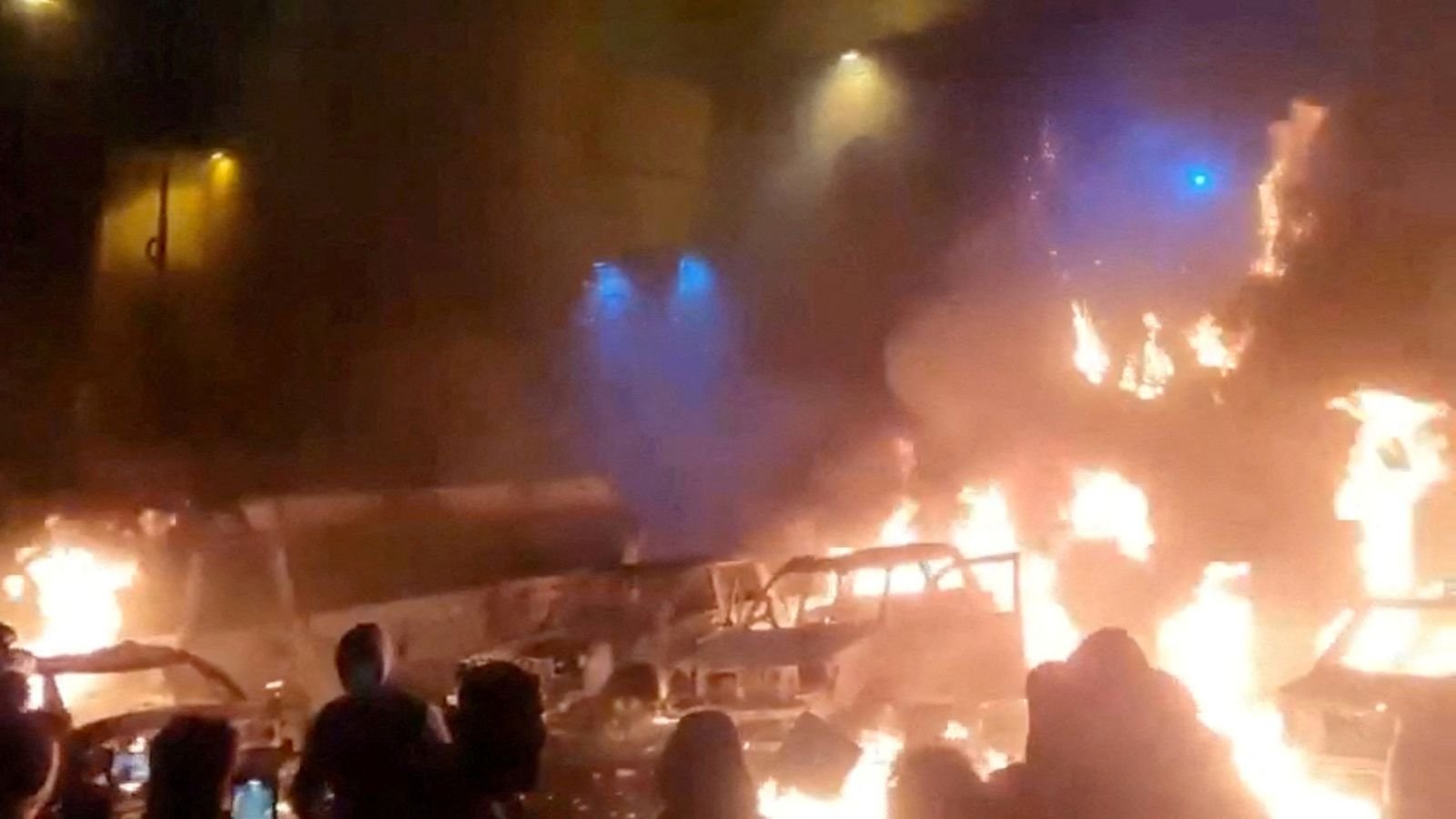
The Iranian populace has erupted into protests once again, reminiscent of previous upheavals in 2009, 2019, and 2022. Current demonstrations, triggered by various grievances including government actions and economic struggles, have been met with severe repression by state authorities.
The Nature of the Protests
Mass protests in Iran signal widespread discontent, but they stop short of revolutionary movements. The latest unrest can be traced back to a series of factors, including allegations of electoral fraud, rising fuel prices, and the controversial actions of the morality police. With the country now witnessing demonstrations across all 31 provinces, maintaining momentum is becoming increasingly challenging.
Government Response
The Iranian authorities have sharpened their tactics in response to public dissent. Employing the Revolutionary Guard and Basij militias, the government has resorted to violence, including the killing of demonstrators and mass arrests. Reports of public executions and a targeted approach to shutting down internet access further complicate the situation, restricting communication among protestors and leaving many unaware of ongoing activities.
Critically, the lack of connectivity has heightened the risks for those participating in protests, as they cannot ascertain whether others are voicing their dissent or face reprisals alone. The state media’s portrayal of demonstrators as ‘vandals’ or ‘terrorists’ serves to intimidate any potential participants.
Potential Leaders and Influences
The absence of visible leadership has stymied efforts to unify the burgeoning protests, despite the presence of figures like Reza Pahlavi, the son of Iran’s former shah, who has garnered some support from abroad. His calls for strikes and further protests struggle to resonate amid the information blackout and repression faced by demonstrators in Iran.
International Dimensions
As unrest grows, global attention remains focused on Iran. Former U.S. President Donald Trump has voiced intentions to impose severe repercussions if the regime suppresses protests violently. Additionally, tensions involving Israel suggest that the situation could be a catalyst for external military action, complicating an already precarious environment for Iran’s leadership.
Background
This cycle of protest and repression is not new to Iran, with significant instances occurring in 2009, 2019, and 2022, each drawing considerable international scrutiny. The events that have unfolded over these years illustrate a pattern of resistance met with stringent state reaction, raising the stakes for both the Iranian populace and the governing elite. The regime’s potential path toward further violent repression risks not only its internal stability but also exacerbates its ongoing economic challenges.
Conclusion
The Iranian government’s current approach indicates they may continue to tighten their grip, despite facing a frail economy. However, without a change in elite consensus regarding the leadership’s direction, any hopes for a revolutionary shift appear distant. The potential volatility remains high as the influence of international actors increases in this deeply complex situation.
Source: Original Article