






















Escalating Tensions in Iran: Protests Lead to Threat of Death Penalty
Iran’s Supreme Leader, Ayatollah Ali Khamenei, has issued a stern warning amidst ongoing protests, indicating a possible crackdown on demonstrators. With escalating unrest fueled by economic difficulties, Iranian officials suggest that some protestors could face the death penalty, raising international concerns.
Authorities Crack Down Amid Protests
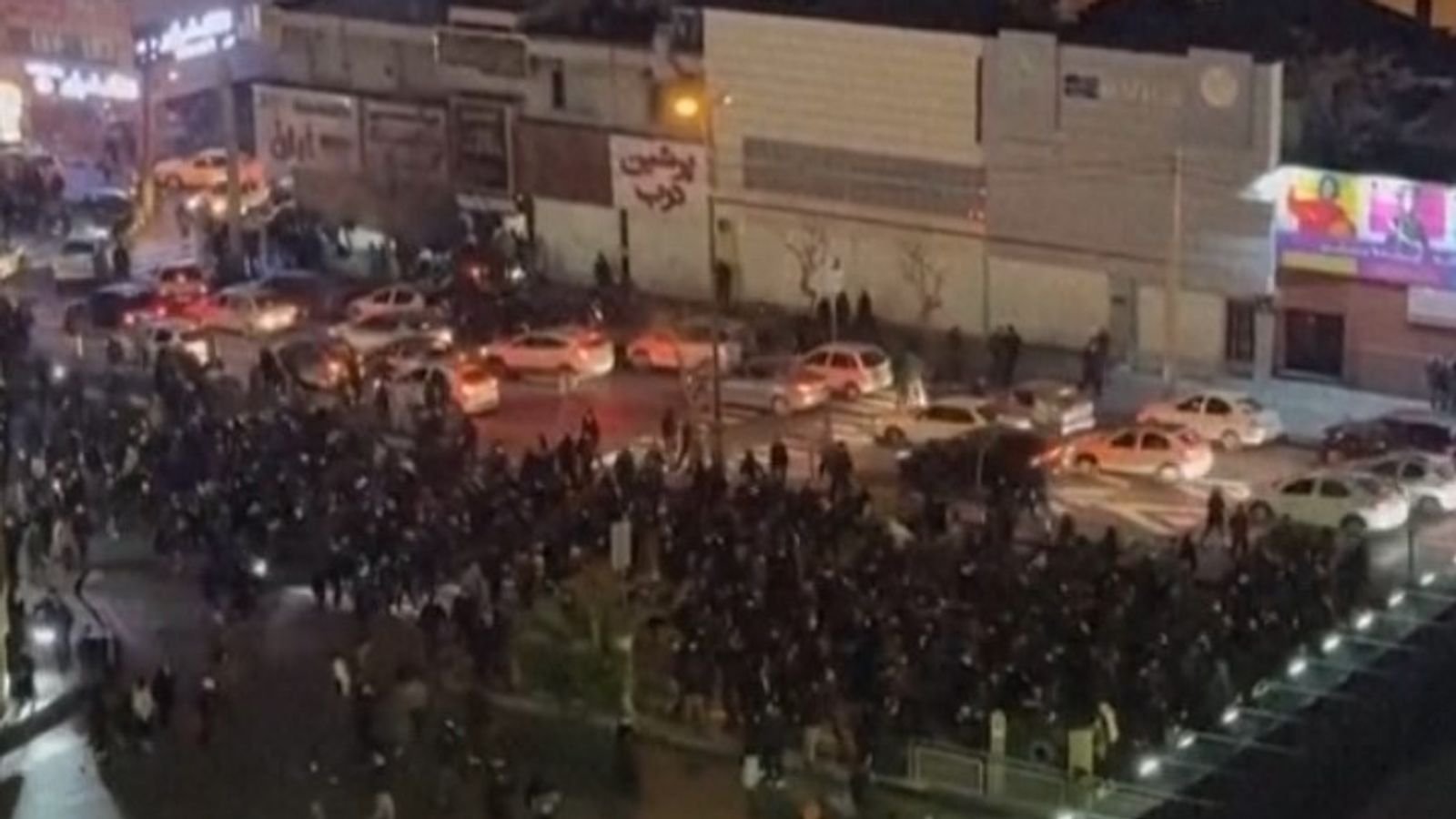
Following widespread demonstrations in Tehran, which have now spread to other cities, Iranian officials have begun to respond more aggressively. A prosecutor in Tehran, Ali Salehi, declared that certain actions taken by protestors may be classified as “moharebeh,” a term defined as “waging war against God,” which carries the death penalty.
“We will not show leniency toward armed terrorists,” he stated, emphasizing that public acts of vandalism will not be tolerated. This comes as reports indicate that at least 62 individuals have died amid the unrest, with more than 2,300 others detained, according to the Human Rights Activists News Agency.
International Reactions
Former U.S. President Donald Trump has voiced strong support for the demonstrators, stating, “Iran’s in big trouble,” and warned that the U.S. would respond if violence escalates against protestors. His administration has previously engaged in military actions against Iran.
In a joint statement, the leaders of the UK, France, and Germany have expressed strong condemnation of the violence against protesters, highlighting the need for accountability and protection of human rights in Iran.
Communication Blackout
In an effort to control the narrative surrounding the protests, Iranian authorities implemented a nationwide internet blackout, cutting off significant communication channels and limiting the ability of citizens to share information about the protests with outsiders.
State media have attributed the unrest to foreign influence, citing “terrorist agents” allegedly orchestrating the demonstrations. However, many protestors cite frustration with the domestic economy as the primary motive for their actions.
Background
The protests have been fueled by economic grievances following a severe decline in the value of Iran’s currency. The recent civil unrest represents one of the most significant challenges to the Iranian government since the 1979 revolution, which saw the establishment of the current regime.
Adding to the complexity of the situation, exiled Crown Prince Reza Pahlavi has called for mass demonstrations, urging the people of Iran to unite against the government. His involvement has garnered a mixed reception, with some looking to him as a symbolic leader of the opposition.
Concluding Remarks
The situation in Iran continues to develop rapidly, with both local and international observers closely monitoring the actions of protestors and government officials alike. As the Iranian leadership grapples with public dissent, the ramifications of these protests may extend far beyond its borders, impacting global relations and regional stability.
Source: Original Article






