






















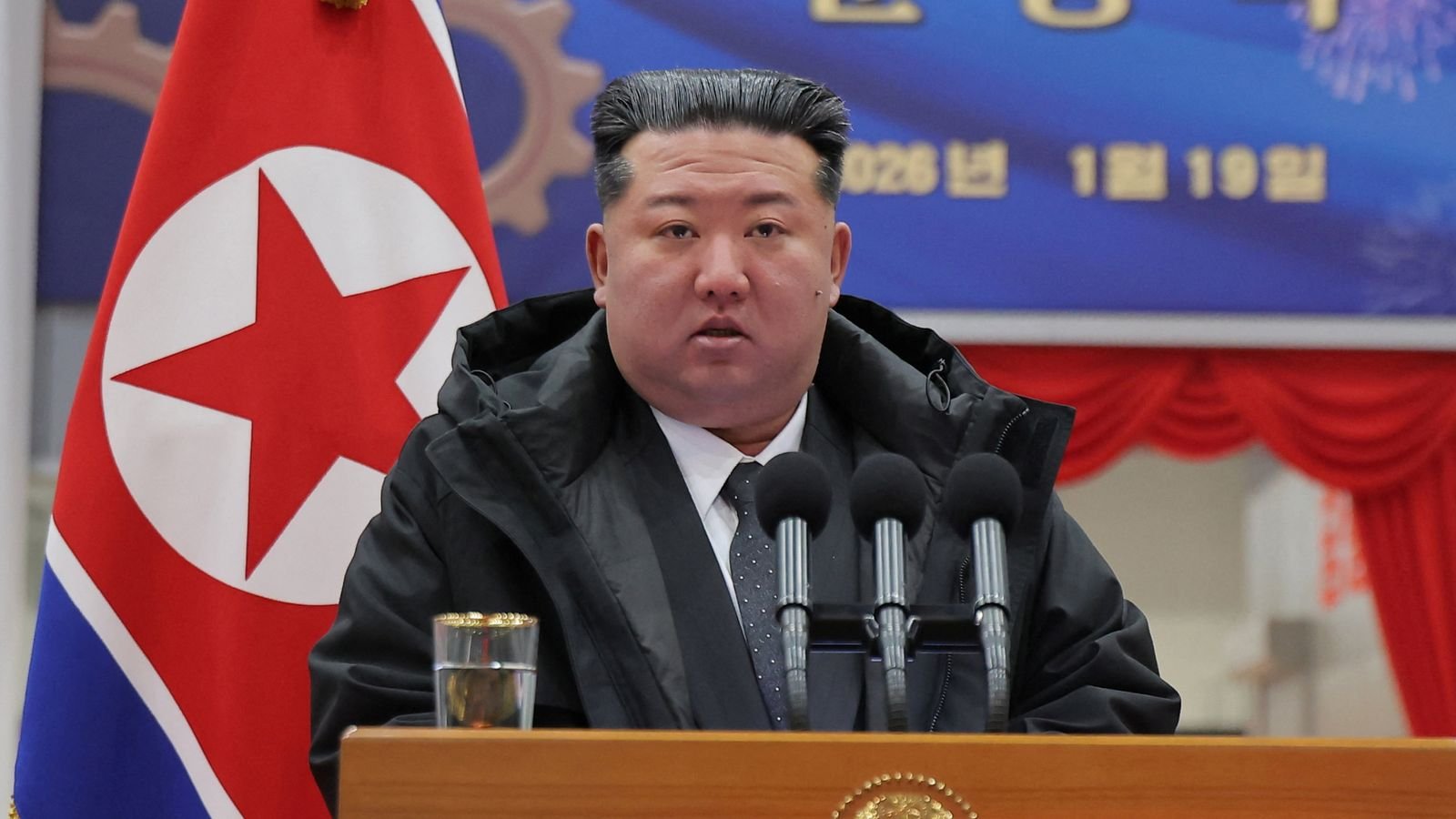
North Korean Leader Dismisses Vice Premier Amid Factory Overhaul Criticism
Kim Jong Un has publicly dismissed a vice premier responsible for a factory modernisation initiative, marking an uncommon act of reproach as the country prepares for an upcoming ruling party congress. State media reported that Kim attributed the dismissal of Yang Sung Ho, who oversaw the machine-building sector, to significant mismanagement causing “unnecessary man-made confusion.”
Economic Impact of Poor Management
In a statement, Kim indicated that the project at the Ryongsong Machine Complex had incurred “not a small amount of economic loss” due to the actions of what he deemed careless and ineffective officials. This rebuke appears to be part of efforts to reinforce discipline within government ranks ahead of the Workers’ Party congress, which aims to set new political and economic objectives.
Kim described the misappropriation of resources as having squandered “large amounts of funds and labour.” He expressed concerns that the munitions industry had unintentionally borne the brunt of these management failures.
A Rare Public Criticism
The criticism of Yang is notable, considering that open reprimands of senior officials are atypical in North Korea. Kim had previously called Yang out during a party meeting last year, labelling the dismissal as an “incidental mistake.” In a metaphorical remark, Kim likened Yang to a goat tasked with pulling an ox cart, questioning the feasibility of such an arrangement and declaring Yang’s removal.
The Broader Context
While the dismissal serves as a specific incident, it reflects a broader trend in North Korean governance, where officials may be scapegoated for economic difficulties and policy shortcomings. Over the years, Kim has made efforts to eliminate what he describes as defeatism and irresponsibility within economic sectors, particularly following setbacks caused by the COVID-19 pandemic.
Reports from South Korea’s central bank noted a 3.7% growth in North Korea’s economy in 2024, yet analysts caution that substantial growth remains elusive due to a rigidly centralised economy, international sanctions, and a strong focus on military capabilities.
The impending Workers’ Party congress, the first in five years, is anticipated to commence later in January or February, as reported by South Korean intelligence services.
Background
The North Korean economy has been beleaguered by various challenges, particularly exacerbated by the global health crisis and ongoing sanctions from the international community. Kim Jong Un’s leadership has frequently emphasised a push for economic recovery against a backdrop of military priorities and an ideological battle against perceived passivity among officials.
Source: Original Article






