






















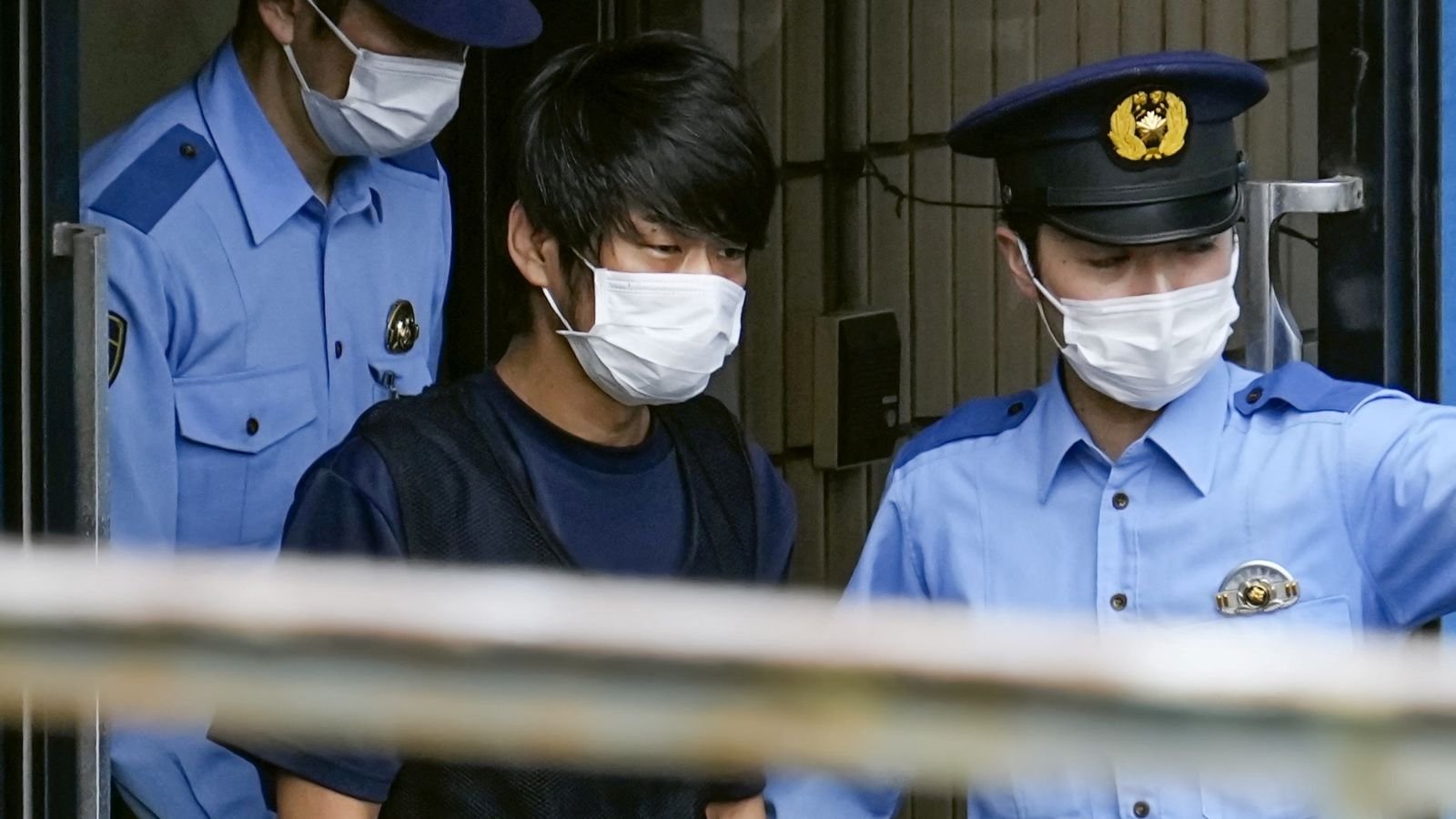
Life Sentence for Assassination of Former Japanese Prime Minister
A man has received a life sentence for the assassination of Shinzo Abe, Japan’s former prime minister, as confirmed by public broadcaster NHK. Tetsuya Yamagami, aged 45, confessed to murdering the conservative leader with a homemade firearm during a political rally on 8 July 2022.
Details of the Incident
During the rally, which took place near a train station in Nara, Abe was shot twice while addressing supporters of the Liberal Democratic Party. Eyewitnesses reported that he collapsed shortly after the shots were fired, and officials noted that he died almost instantly from his injuries. This tragic event marked the first assassination of a sitting or former Japanese premier since the 1930s.
Trial and Sentencing
The trial for Yamagami commenced in October, with prosecutors advocating for a life sentence, describing the incident as an “extremely grave” crime, unprecedented in Japan’s post-war history. On the other hand, Yamagami’s defence team suggested a 20-year sentence, attributing his actions to a deep-seated resentment against the Unification Church, which he claimed led to his family’s financial ruin due to excessive donations made by his mother.
Yamagami expressed that he was moved to act after viewing a video message from Abe directed at the Unification Church. As proceedings began, he confirmed the charges against him, stating, “It is true that I did it.”
The Role of the Unification Church
The Unification Church, established in South Korea in 1954, is known for its mass wedding ceremonies and has a significant number of Japanese followers, who contribute a substantial portion of its funds. However, families of members often accuse the church of exploiting individuals, sometimes referred to as ‘Moonies’, into exhausting their savings through large donations. The church defends its practices as legitimate religious activities.
Wider Implications and Reactions
The assassination prompted an internal review by the Liberal Democratic Party, which uncovered that over a hundred lawmakers had connections with the Unification Church. Following this, a Tokyo court took the unprecedented step of ordering the disbandment of the church’s Japanese branch, a decision the organisation has vowed to contest.
Background
The assassination of Shinzo Abe has far-reaching implications, not just for Japan but also for global political stability. It raises concerns about political violence and the influence of organisations like the Unification Church, which has been a contentious subject in Japanese society. The aftermath of Abe’s assassination continues to unfold, highlighting the complex interplay between political figures and religious institutions.
Source: Original Article






