






















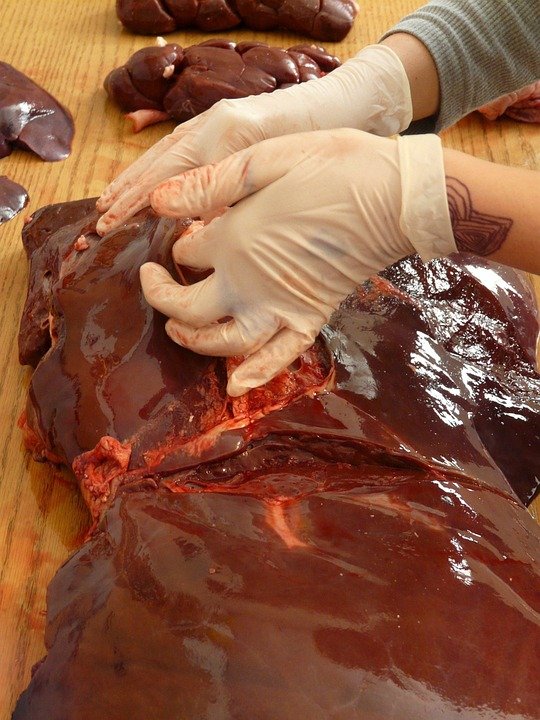
The liver is a vital organ in the human body, playing a crucial role in multiple functions, particularly detoxification. Understanding its anatomy and key structures involved in these processes can provide insight into its importance for overall health.
Liver Anatomy Overview
The liver is located in the upper right quadrant of the abdomen, beneath the diaphragm and above the stomach. It is divided into two main lobes: the right lobe and the left lobe, each further divided into smaller lobules.
Key Structures of the Liver
- Liver Lobules: The functional units of the liver where blood is filtered and processed. Each lobule consists of liver cells, known as hepatocytes, arranged in a radial pattern around a central vein.
- Hepatocytes: These are the primary functional cells of the liver. They are responsible for metabolism, storage, and production of various substances, including bile, which is essential for digestion.
- Bile Ducts: These ducts collect bile produced by hepatocytes and transport it to the gallbladder and small intestine, aiding in the digestion of fats.
- Sinusoids: Specialized blood vessels that allow for the exchange of substances between blood and liver cells. They are lined with endothelial cells and facilitate the flow of blood through the liver lobules.
- Kupffer Cells: These are specialized macrophages located in the liver that play a significant role in immune response and the breakdown of old red blood cells, contributing to detoxification.
Detoxification Functions of the Liver
The liver performs several detoxification functions that are essential for maintaining health:
- Metabolism of Nutrients: The liver converts excess glucose into glycogen for storage and regulates blood sugar levels, ensuring stable energy availability.
- Drug Metabolism: The liver modifies and breaks down various substances, including medications and toxins, making them easier for the body to eliminate.
- Protein Synthesis: The liver produces important proteins, such as albumin and clotting factors, which play a vital role in various bodily functions and help maintain proper blood viscosity.
- Bile Production: As mentioned earlier, the liver creates bile, which aids in the digestion and absorption of fats and fat-soluble vitamins in the intestine.
In summary, the liver is an essential organ equipped with specific structures that facilitate its detoxification processes. Regular check-ups and maintaining a balanced lifestyle can support liver health and its vital functions in the body.






